Article: Organic Food and Drink -- April 2008
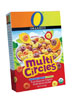
Major launches in the organic category have been from store brands, with Mintel’s GNPD reporting more than 60 new private label products launched in sauces and seasonings, bakery and beverages, respectively.
The expansion of the organic food industry has taken products into myriad channels, from the expected natural supermarket to mainstream supermarkets and even Wal-Mart, which began selling organic milk and other products in 2006. Moving from “hard-to-find” to “a supermarket near you” has helped the organic industry become a household word. Ironically, it has also led to a slowdown in dollar sales, as more store brand organic products come to market and compete with higher priced, branded items.
The organic food market has grown an impressive 132% between 2002-2007--103% in constant 2007 prices. While sales increased an average of 20% year-over-year from 2002-2006, in 2007, for the first time, sales increases in organic food categories grew just 9%.
A similar trend is seen in organic beverages: sales in this segment increased 97% between 2002-2007--73% in constant 2007 prices. While sales were robust between 2002-2006, increasing at a rate of between 14%-18% per year, the market slowed in 2007, to an increase of just 7% from 2006.
The proliferation of store brands is a phenomenon that has transpired outside of the sales figures shown here, making the numbers somewhat deceptive. While sales of branded organics slowed between 2006-2007, sales of untracked, store-brand organic products kept the market strong.
According to the Mintel Global New Products Database (GNPD), 531 store branded organic products were launched in 2007, more than double the number introduced in 2006. Store branded organic product launches in sauces and seasonings, bakery and beverages were the major focus, with more than 60 new private label products launched in each category.
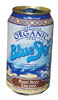
Sales in organic beverages increased 97% between 2002-2007--73% in constant 2007 prices.
New Organic Products in All Categories
According to Mintel’s GNPD, 2,095 new food products with organic designations were launched in 2007, a 25% increase over 2006. More than 400 new organic beverage products were introduced, including soy creamer, dairy milk, juices and sodas.Organic beverage sales topped $1.5 billion in 2007. Non-dairy beverages (including soy milk, juice and alternative beverages) accounted for 58% of sales, while dairy beverages including milk, drinkable yogurt and eggnog comprised the rest of the market.
Sales of fruit and vegetables dominated the organic food segment, which accounted for 21% of food sales. Other strong categories were organic prepared and packaged foods (accounting for 19% of total food sales) and organic snacks (16% of food sales).
Fruit and vegetable sales are dominated by fresh produce. The 2006 outbreak of E. coli traced to spinach (both organic and conventionally grown) contributed to some slowing of sales of organic produce, but quick action by growers and the FDA quickly restored produce to supermarket shelves. Explanations as to the potential causes of the outbreak and manufacturers’ efforts to improve conditions for growing produce prevented any long-term damages to the reputation of organic products.
The increased presence of organic prepared and packaged food options in supermarkets and mass merchandisers demonstrates the extent to which consumers are interested in “better for you” foods. The major sellers in this segment are organic convenience foods, such as pizza and handheld snacks. However, the growth of organic alternatives to mainstream prepared and packaged products demonstrates consumers’ desire for healthy, fast foods.
Organic, non-dairy beverage sales have seen their competition increase as store branded, organic soy milk takes its place beside the popular, branded market leaders. Organic orange juice has seen sales increases, as have organic coffee and tea. While traditional carbonated beverages do not lend themselves to organic versions, new “lifestyle beverages,” including organic carbonated beverages, have begun to turn up on grocers’ shelves. However, the biggest segment (after soy milk) is organic tea: 333 new organic tea products were launched in 2006, and the varieties of tea (both leaf/loose and RTD) that are organic have continued to increase yearly.
Organic dairy beverages have gone through a number of difficult patches over the past year, including difficulty in sourcing organic milk, pricing and such economic factors as the challenges of keeping within organic regulations. However, the single biggest issue surrounding organic dairy sales has been the rapid and widespread introduction of private label organic milk.
The availability of store brand organic milk has made retailers rethink the crowded dairy case and, in some instances, branded organic milk has lost out to store branded products. Such is the case with Whole Foods, which, in mid-2006, announced it planned to stop carrying gallon-sized containers of Horizon organic milk in favor of its own branded products. While the store planned to continue carrying other Horizon products alongside its store brand milk, the limited shelf space would be allocated to favor private labels over national brands.
Why Consumers Seek Organic Products
The demand for organic foods and beverages is driven, in part, by consumers’ concerns about food safety and the integrity of the food supply. Early recalls of foods that could potentially be compromised by bacteria have become more commonplace as the government steps up surveillance techniques, but constraints caused by economic considerations impacting the FDA have made consumers nervous about the integrity of the food they purchase and consume.Some consumers strongly believe that organic foods offer more healthy alternatives than mainstream products. According to Mintel’s 2007 survey, 48% of respondents agree that organic products are better for them than non-organic products. However, 32% worry about the safety of organic meat and produce, suggesting that organic products are not a guarantee of disease-free food.
Still, the increase in sales of organic products suggests that consumers believe there is something intrinsically healthier about foods grown without chemicals or pesticides and those made without additives they consider harmful.

Ragú Organic has returned to store shelves, boosted by an “Eat Smart--Based on U.S. Dietary Guidelines” checkmark.
Distinguishing Between Organic and Natural is Important for the Market
Consumers are still not completely clear on the differences between natural and organic products. To understand the source of their confusion, it is important to reiterate that organic products are grown without use of synthetic pesticides or fertilizers, and they contain no genetically modified organisms (GMOs). However, the term “organic” refers to growing methods, not to processing or to any other steps that follow, so it is possible for a product to be made with organic ingredients, but also to contain other ingredients that are not “natural.” Such is the case with some soy beverages and meat alternatives made from organically grown soy beans that also contain ingredients that are not organic or natural (e.g., artificial flavors and colors).Natural products, on the other hand, must contain no artificial ingredients, additives or other ingredients, but they can be made with mainstream (instead of organic) ingredients, as long as the mainstream ingredients are not artificial. Labeling of natural products is not as consistent, nor is the “natural” label controlled by the government.
Consumers, therefore, are left to judge whether a processed food product made with organic ingredients and artificial flavorings, for example, is healthier than a natural food product made with conventionally grown crops or animal products, but without artificial color, preservatives or flavorings.
The Market Will Grow, as Long as Consumers See Its Benefits
Judging from sales of organics and natural products, it appears that most consumers are currently content to purchase a mixture of natural and organic foods alongside mainstream products. An example helps illustrate where organics have an advantage, and where they may not: consumers who worry about BGH and antibiotics in milk have switched to natural or organic milk.However, consumers did not switch to Ragú organic tomato sauce, because they did not perceive an added value in the alternate to the mainstream product, and the company halted sales of the organic product in 2006. Certain types of organic products immediately make sense to consumers, while others require considerably more marketing…or patience…or both. pf
This article contains information from the Mintel Reports “Organic Beverages (U.S. September 2007)” and “Organic Food (U.S. October 2007).” Please visit http://reports.mintel.com for more information or call Mintel at 312-932-0400.
Links
Looking for a reprint of this article?
From high-res PDFs to custom plaques, order your copy today!