Ingredients in Use: Citric & Lactic Acid
Maintaining Meals
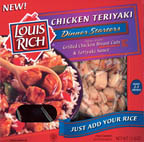
The four items in the newly marketed line of Louis Rich Dinner Starters from Kraft Foods, Glenview, Ill., each combine fully cooked chicken breast pieces with one of four sauces: Di Giorno Alfredo Sauce, Di Giorno Four Cheese Sauce, a teriyaki sauce, or a sweet and sour sauce. The salt of citric acid (sodium citrate) is found in Alfredo sauce, and both malic and citric acid appear in the teriyaki sauce ingredient line-up.Organic acids commonly appear in various components of prepared meals. They can be particularly useful for microbial control in refrigerated foods. However, the acids differ both in regard to the types of organisms each are effective against and also, in their ability to retard microbial growth. For example, benzoic acid (found in this teriyaki sauce) is so effective it is regulated as a preservative and—generally—cannot be used in USDA meats. Malic and citric acid are less effective, while lactic acid has intermediate anti-microbial abilities.
The 12.8- to 13.6-oz. products in the Dinner Starters line retail nationwide for $3.99 each.
www.uga.edu/~poultry/tips/tips99sep4.htm — Efficacy of anti-microbials in processing
www.preparedfoods.com — Organic acids' anti-microbial effect (06/2002 Issue)
www.bact.wisc.edu/MicrotextBook/ControlGrowth/chemAgent.html — University of Wisconsin-Madison piece on controlling microbial growth
Snacking on Citric and Lactic
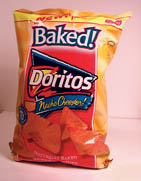
When looking for citric acid applications, the snack aisle offers a multitude of examples. Pepsico's Frito-Lay in Plano, Texas, introduced this spring Baked Doritos with Nacho Cheese; it contains both lactic and citric acid. These ingredients' tang fits well within a cheese flavor profile, and the mineral-chelating ability of citric acid helps it function as an antioxidant. Although baked chips generally possess less fat than fried alternatives, the product still sports a 4g-per-serving fat content (40% of the calories). Such lipids need protection against oxidation.Zapp's Potato Chips, Grammercy, La., is another company with a new potato chip that takes advantage of lactic and citric acid. The product is marketed with a cholesterol-free claim (not difficult to achieve when only vegetable oils are used—peanut oil, in this case). The taste of the two acids dovetails well with the flavor profile of the tomato powder-containing seasoning.
More recently, Trader Joe's, Monrovia, Calif., introduced Tortillas Salsas tortilla chips made from organic white corn. Once again, citric acid's taste fits in well, adding to the “zest of tangy tomato, cilantro, and jalapeno peppers,” notes the company. Vinegar also is noted on the ingredient legend.
(Note: The popular (at least with Prepared Food's editors) “You are bold, but are you also daring?” T.V. ads can be downloaded from www.doritos.com.)
www.fritolay.com
www.zapps.com
Connecting with Confectionery
Confectionery is one of the most popular application categories for citric and lactic acid. In hard candies, buffered citric acid often is added to the molten mass after cooking, since it helps prevent browning and inversion of sucrose.It is also popular in gummy candies such as Nick. Jr.'s (Kraft Foods) Dora the Explorer, which was just added to the company's Nabisco Fun Fruits line. Its ingredient legend lists citric and ascorbic acid, as well as grape, orange, blueberry, cherry and strawberry fruit juices from concentrate.
The popularity of citrus confectionery has not been lost on Callard & Bowser-Suchard Inc., East Hanover, N.J., maker of Altoids. Citrus Sours (“a curiously strong blend of lemon and grapefruit”) and Tangerine Sours are hitting the store shelves now. Both contain malic and citric acid.
“Our two centuries of experience bringing curiously strong flavors to the most daring tastebuds puts us in a unique position to embolden the run-of-the-mill fruit candy and create a sour deserving of the name Altoids,” notes Andrew Burke, senior brand manager, Altoids.
Bolstering Beverages
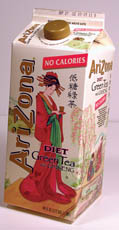
Premium brewed green tea, honey, citric acid, aspartame, natural flavors, ginseng extract, sodium citrate and ascorbic acid make up the ingredient legend for this new product under the Arizona brand from Citrus World, Lake Wales, Fla.Looking at the 1,000 most recently introduced new products on the GNPD that contain citric acid, the ingredient most often was found in the beverage category, followed by confectionery.
Salt/acid combinations such as sodium citrate/citric acid are used to form a buffering system that controls pH and, thus, tartness. “One of the important differences between citric and lactic acid is that the sourness of lactic changes dramatically with pH whereas the sourness of citric does not,” notes Dan Sortwell, senior food scientist with an acidifier ingredients company.
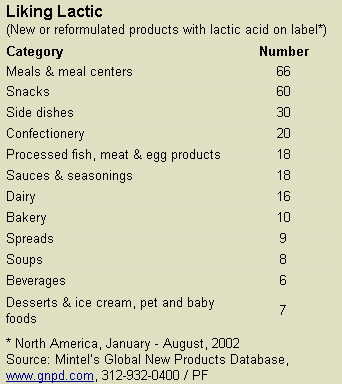
Buffered lactic acid is used in beverages ranging from beer, wine and juice to soft drinks; however, beverages were one of the less common applications for lactic acid in the new products introduced in North America this year. (See chart.)
Sidebar: Ubiquitous Organics
Few food additives are truly ubiquitous, but some of the organic (i.e., carbon-atom containing) acidifiers such as malic, acetic, lactic and, particularly, citric come closer than most.Citric acid is a crucial part of plant and animal respiration. Found in relatively high levels in many fruits, it does not provide nutritional value in itself and should not be confused with vitamin C (ascorbic acid). However, as an acidifier that contributes tartness, it plays a role in the taste and flavor profile of products and, along with its various salts such as monosodium, calcium or potassium citrate, can form buffer systems for precise pH control.
In retorted products, pH reduction can indirectly improve texture. A touch of citric acid, for example, in canned vegetables means less of a heat treatment is required for commercial sterilization. Less heat generally means a better texture.
Ascorbic and erythorbic acids are reducing agents that are effective antioxidants. Citric acid also is called an antioxidant, although it slows oxidation by chelating or “binding” pro-oxidant minerals such as iron.
Lactic acid also lowers pH, but has a milder taste. It contributes to flavor enhancement and microbial control. A review of Mintel's Global New Products Database shows the ingredient most often is found on the label statements of meals, snacks and side dishes.
Sidebar: Going Global
As in North America, citric and lactic acid are supporting players in the ingredient formulations of a range of products.
In South Africa last month, Masterfoods' Mars introduced a shelf-stable sauce that consumers stir into freshly cooked pasta. Along with the primary components of tomatoes and onions, sliced black olives, seasonings and vegetable and olive oil, thickeners were added in the form of modified cornstarch, whey protein and xanthan gum. Lactic acid and white wine vinegar both chipped in to further reduce the product's pH. The product retails for about US$2.06 for 150g.

Citric acid's preservative ability through chelation also was the likely reason it was added to this rice-based side dish packaged in a foil pouch. Microwaveable, suitable for vegetarians and with an exotic mix of rice, raisins, apple flakes and seasonings including curry, U.K.-based Sainsbury's (under its own store brand) is fielding an extension to its Savoury Rice line. (A Golden Vegetable variety contains peas, red peppers, carrots and mushrooms.)
Looking for a reprint of this article?
From high-res PDFs to custom plaques, order your copy today!