The fastest-growing health-conscious consumer segment is driving demand for science-backed products with bioactives, signaling major opportunities for brands focused on proactive wellness
The updated findings revealed that 45% of US adults now identify as Bioactivists – proactive, health-conscious consumers who see health as a foundation rather than a fix, and who are increasingly seeking products with proven health benefits.
The 2025 Early Growth cohort consists of 10 innovative brands – selected from more than 1,600 applications – not yet available in Whole Foods Market stores: beituti (Ohio), Corpse Reviver (Colorado), Fable Fish Co. (Colorado), Häppy Candy (New York), Pisqueya (New York), Reprise Health (New York), SEND Bars (Colorado), Saiga Foods (California), Singing Pastures (Maine) and Xinca (Washington).
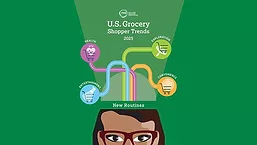
Nearly half of US grocery shoppers share weekly meal traditions, with more families cooking at home, dining at consistent times and prioritizing connection around the table
More than two-thirds of shoppers are forming new routines this fall centered around their food habits. More than half of Americans plan to prepare more meals at home, dine at more consistent times and prioritize shared meals.
The inaugural report highlights five key trends, from bold global flavors to better-for-you options and co-branded collaborations, shaping the $149B US snacking market.
The report identifies five key trends that are shaping snacking behaviors and influencing how consumers navigate an increasingly diverse snack landscape. While focused on the US market, the report also covers relevant global snacking trends and behaviors.
From Korean street food and seafood snacks to pistachio mania and chili-infused sweets, the Specialty Food Association’s panel highlights the emerging and evolving trends shaping the future of specialty foods
The 2025 Summer Fancy Food Show revealed a diverse range of emerging and evolving trends shaping the specialty food market. Korean flavors stood out with products inspired by popular dishes, beverages, and pantry staples, while ingredient innovation brought new offerings such as cupuaçu, yaupon, and plant-based dairy alternatives. Global convenience remained a key driver, with meal kits, ready-to-eat dishes, and sauces making international flavors more accessible.
Our editors found an inspired collection of new and small brand owners guiding their products into the market with cutting edge approaches and refined product messaging. Sustainability, cultural significance and better for you trends were all present among the young brands in the startup space.
With 80% of shoppers feeling no relief from grocery inflation, more are turning to product labels and QR codes to make informed, budget-conscious decisions at the shelf
Now in its 30th year, the report highlights the top food, beverage, and nonfood launches that resonate with today’s consumers—driven by convenience, functionality, and powerful brand storytelling
This year’s report underscores consumer packaged goods (CPG) companies’ commitment to consumer-centric innovation, prioritizing solutions that solve for evolving lifestyle and occasion needs.
As US shoppers brace for price hikes, most expect brands to offset tariffs with free shipping, loyalty rewards, and clear communication—while spending cuts loom for electronics, apparel, and home goods
The survey, “Impact of Tariffs on Purchasing Decisions,” also reveals that, aside from discounts or promo codes, consumers want free shipping, loyalty rewards, and transparent communication about price increases in exchange for higher tariff-induced costs.
"Consumers aren't giving up on good food, but they are getting smarter about how to afford it," said Yuni Baker-Saito, co-founder and CEO. "We're seeing recipe content boom in popularity, and it may come as a surprise to some brands and retailers just how much they guide purchases and shopping habits."