New Product Trends
Category Analysis: Advancing Vegetarianism
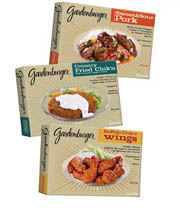
In 2003, the vegetarian foods market in the U.S. topped $1.6 billion in sales. This represents a constant-price growth rate of 111.3% since 1998 and is a strong indication that Americans are looking for ways to make their diets healthier by replacing at least some of the meat or dairy products they currently use with vegetarian alternatives. The Mad Cow scare of 2003 and again at the end of 2004 also served as an eye-opener to consumers, who became more interested in what they perceived to be safer alternatives to mainstream beef, from organic alternatives to vegetarian substitutes.
The increase in sales of vegetarian foods has been bolstered by more than just the buying habits of the American consumer. The sales increase also reflects efforts by suppliers to introduce new, better-tasting and more interesting vegetarian products. While many of today's popular vegetarian food products originated in the health and natural foods channel, the entry of companies such as Kraft, ConAgra, General Mills, Dean Foods and Kellogg's into the category has clearly been responsible for the sizeable gains in mainstream supermarket retail sales, thanks to their more significant resources for product development, distribution and marketing.
Vegetarians: From Committed to Occasional
Until the mid-1990s, change was slow in coming to the world of vegetarian foods, and many average consumers relegated “vegetarian products” to a counter-cultural movement, not a mainstream trend. But as mounting evidence found that a diet high in fat was a major contributing factor to coronary artery disease, many people began to re-examine their eating habits. One major change has been a reduction of red meat consumption. While some consumers merely replace red meat with other meats like chicken or fish, others replace at least some of the red meat with textured vegetable protein (soy protein).At the same time, there has been a growing trend to increase consumption of soy products as researchers continue to ascribe positive health benefits to foods rich in this ingredient. Substituting soymilk for dairy milk is one way in which consumers have upped their soy intake; other tactics include the use of a range of products rich in soy, from energy bars to tofu. Another growing issue for many Americans is an increased sensitivity to dairy, and while lactose intolerance may not be an epidemic, it is a concern, especially among older consumers, African-Americans and Asians.
Although consumers are trying to reduce their intake of meat and dairy products, there is not a wholesale movement towards vegetarianism. Rather, the trend has been more of a “trade off,” with consumers defining themselves as “occasional vegetarians” who are not willing to give up meat completely, but will replace a certain number of meat meals with non-meat alternatives.
While three quarters of consumers interviewed by Mintel International (Chicago) in its “Vegetarian Foods 2003” report say that they do not consider themselves to be vegetarians, one third of them say that they do consume soymilk, meat substitutes, soy or tofu on a monthly basis. These “occasional vegetarians”--people who are trading meat for non-meat analogs at least some of the time--are the major drivers behind the growth of the vegetarian food market. They are also the consumers being targeted by mainstream manufacturers as potential customers.
Reasons for choosing to substitute a vegetarian analog for a meat product vary, and when asked about their opinions on meat vs. meat-free diets, the majority of respondents to the Mintel survey made it clear that they are not prepared to give up meat completely in order to eat more healthfully. In fact, 81% of respondents maintain that a healthy diet should include meat. At the same time, however, one third of respondents admit they consider a vegetarian diet to be healthier than one that is meat-based.
As with most other food products, though, taste is the main driver behind consistent purchasing habits, and some 55% would be willing to trade at least some of their meat for vegetarian alternatives if the alternatives were better-tasting. Many manufacturers have noted this red flag and have made substantial efforts to launch more appetizing meat alternatives. Kraft Foods (Glenview, Ill.), which acquired Boca Burger in 2000, currently has more than 15 SKUs under the Boca label at retail, including a Boca cheeseburger and a Boca-topped pizza. At the same time, Gardenburger (Irvine, Calif.) has extended its meatless lines to include frozen vegetarian and vegan meals that imitate popular meat and chicken dishes. And Kraft's Morningstar Farms boasts extensive meat alternatives, including “crumbles,” a textured soy product that imitates ground beef in a state usable in spaghetti sauces, chili, and as a topping for nachos.
Vegetarian Food Segments
Defining “vegetarian foods” can be challenging as, strictly speaking, any food product made without animal ingredients can be considered “vegetarian,” including products eaten by all consumers, regardless of their dietary preferences. In order to more accurately measure the vegetarian market, therefore, Mintel considered only those foods that can be considered “substitutes” for meat-based products, as well as products clearly positioned as “vegetarian” (for example, refrigerated vegetarian entrées and tofu). Using those parameters, Mintel isolated the following vegetarian food segments: refrigerated and shelf-stable, soy-based dairy milk alternatives (e.g., Silk or White Wave soymilk); soy- or vegetable-based meat or poultry alternatives, be they frozen, refrigerated, or shelf stable (e.g. Tofurky, tofu hot dogs, Smart Bacon, etc.); refrigerated vegetarian entrées and tofu.Sales of vegetarian foods through food, drug and mass merchandisers increased some 25% between 2001 and 2003, as shown in the chart “Prepared Vegetarian Food Sales.” The biggest increases were seen in sales of refrigerated dairy milk substitutes, which saw increases of almost 69%. Driving mainstream sales of this product is the effort of White Wave, which also markets its refrigerated products under the Silk label. White Wave, acquired in May 2002 by Dean Foods (Dallas) and based in Boulder, Colo., is the largest refrigerated soymilk producer in the country and the first to take its soymilk product, Silk, into supermarkets and mass merchandisers across the country. Besides soymilk, the company makes Silk brand soy creamer and dairy-free yogurt, and White Wave brand tofu and tempeh.
Aside from packaging and refrigeration, White Wave has focused on a range of brand-building marketing techniques, including significant media spending and creative package communications, such as “Shake well and buy often” and “Have a nice life span,” to build awareness and prompt sampling by wary consumers.

Vegetarian Futures
In general, Mintel predicts the market for vegetarian foods will continue to grow, projecting an increase of 61% at current prices and 43% at constant 2003 prices through 2008. Only 2.8% of Americans identify themselves as vegetarians, and future sales growth will come from occasional vegetarians and other consumers who are trying to improve their diets.There are two factors that might contribute to smaller growth patterns, however. First of all, the growing availability of organic meat has given consumers another alternative. Organic meat--grown without hormones and with strict guidelines regarding feed, pasturing, and the like--is perceived as being a safer choice than conventional meat. Consumers who opted for meat substitutes primarily to ensure the safety of their diets may substitute meat replacements with the real (organic) thing. But consumers who are using meat alternatives for other reasons--to reduce the fat in their diets, for example--will continue to be loyal to the veggie burger culture.
The growing availability of organic dairy milk also may recapture soymilk drinkers who made the switch to avoid rBGH (bovine growth hormones) in dairy products. While it is likely that soymilk drinkers are driven by other issues, such as lactose intolerance and dietary considerations, the fact that organic alternatives to conventional dairy products are becoming more widely available may also affect the market for vegetarian foods.
But these two issues are secondary to the fact that, as more Americans worry about their diets and the integrity of the food supply, the growing availability--and the growing variety--of vegetarian foods provides a welcome menu change. Occasional vegetarians will continue to drive the market, and manufacturers who can provide tasty, interesting vegetarian products for those “meatless Monday meals” will help them keep on the healthy eating track.
For more information on a topic covered by the Mintel Reports, go to www.PreparedFoods.com and click on “Mintel Research Reports” on the left-hand navigation bar. To reach the Vegetarian Foods report, click on “eating habits, food trends.”
Links
Looking for a reprint of this article?
From high-res PDFs to custom plaques, order your copy today!