Regional Cuisines: Cajun and Creole Cuisines
Cajun History
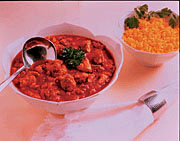
Cajun cooking was created by the descendants of the French Canadians (called Arcadians), who migrated to Southern Louisiana around the mid-1700s. This region of the country was covered with lots of swamps and bayous, and animals such as wild ducks, crawfish, turtles, frogs, and alligators were plentiful; they became staples in the Arcadians' everyday diet.Over the years, Cajun cooking has taken on a variety of names that describes its style of cooking, such as one-pot cooking, food of the bayou and Louisiana country cooking.
The late chef and television personality, Justin Wilson, and chef Paul Prudhomme, were the first regional chefs to bring their Cajun style of cooking to mainstream America. Chef Justin Wilson shocked and delighted TV viewers by showing them how to cook alligator gumbo and turtle soup. Chef Paul, whose family has lived in the Southern Louisiana bayou country since the mid-1700s, taught Americans how to add spices to food for heat and flavor, and how to cook poultry and fish by blackening it. He also launched, successfully, a line of spice blends used to enhance the flavors of Cajun recipes.

Cajun Kitchen Ingredients and Dishes
Andouille — A smoked sausage made with coarse ground pork, garlic, Cajun spices and—sometimes—a hint of cane syrup.Boudin Sausage — Unsmoked pork sausage made with rice, green onion, parsley, and seasonings. Sometimes, it is bound with blood.
Cayenne Pepper — Hot red peppers grown in Southern Louisiana and on Avery Island, where the McIlhenny family makes the popular Tabasco sauce.
Dirty Rice — Cooked rice made with chicken giblets, ground chuck, onions, green bell peppers and celery.
File' — A fine powder made from dried leaves of the Sassafras tree, used as a seasoning and thickener. The roots of the Sassafras tree are used to make root beer.
Gumbo — A thick stew dish that begins with a dark roux and the trinity (a mixture of chopped sweet green bell peppers, celery and onions - see below). Gumbo is a very versatile dish, as its ingredients can easily be changed. It can be made using different kinds of seafood, meats, and vegetables, along with file' and okra to thicken it.
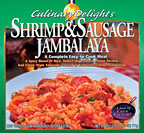
Jambalaya — This one-pot meat and rice dish derived its name from the French word jambon, which means ham, and ya-ya, a West African word for rice. However, jambalaya is very similar to the Spanish paella. Many Arcadians believed that servants brought some of the haute French and Spanish dishes with them from the town houses in New Orleans to the plantation homes near the bayou.
Po' Boy — French bread sandwiches filled with anything from fried oysters to crawfish.
Roux — Made with equal amounts of flour and shortening. Heated in a pot or skillet over low heat, constantly stirred for about 30 minutes. The color should be like a milk chocolate.
Tasso — A well-seasoned ham that is used as an ingredient in Cajun dishes.
Creole History
Creole cooking is a blend of many cultures. Before New Orleans became part of the U.S., the French controlled it. Eventually, the influences of Spain, Portugal, Africa, the West Indies and Native American Indians, all played a role in the culture—as well as in the kitchen.Creole cooking is known as refined, elegant and sophisticated city cooking because of the aristocratic landowners who migrated from France and Spain. From the beginning of the 17th century, they enjoyed an elegant lifestyle, with plenty of servants to run their households for over 200 years. The French and Spanish governed Louisiana by turns, and their cooks learned to switch from one cuisine to another. Many food historians believe American Creole cooking was born and refined in New Orleans.
Instead of using Cajun one-pot or skillet cooking, the Creole cook followed classical French techniques and guidelines, Spanish influences, African ideas with usage of spices, and Native American ingredients—in the New Orleans kitchen. For an example, gumbo of the bayou is usually made with a roux. The Creole version of gumbo is made with a clear broth, along with lots of fresh vegetables, herbs and, sometimes, oysters or crawfish.
Creole Kitchen Ingredients and Dishes
Beignets — Diamond-shaped, fried, raised dough, eaten hot with powdered sugar.Bread Pudding — Dessert made from day-old or stale French bread.
Cafe' au lait — Strong black chicory coffee with hot milk.
Crawfish Etouffee' — Smothered crawfish, onions, celery, and, sometimes, a tomato sauce. Eaten over rice or pasta.
Pralines — Pecans, sugar and milk cooked into candy.
Remoulade Sauce — Sometimes called a spicy mayonnaise, made with Creole mustard, onions, cayenne pepper, vinegar, garlic and Tabasco sauce.
Trinity — A mixture of chopped sweet green bell peppers, celery and onions. This culinary mixture ingredient is used in many Creole dishes; its name is derived from the Catholic religion.
New Orleans Today
Over the years, New Orleans has become an even more complex melting pot by combining both Cajun and Creole cuisine together.
The Ritz-Carlton recently opened Victor's in New Orleans. It is one of the few five-star rated restaurants in the South. Chef Frank Brunacci, Austrian-born, but French-trained, spent months traveling through Bayou country and to homes in the city's Garden District to learn as much as possible about authentic Cajun and Creole cooking. Victor's has a daily menu change of classical Creole and Centennial cuisine.
Trend Tracking: HMR Regional Flavor
The well-known Commander's Palace restaurant has opened up two gourmet meal markets called Foodies Kitchen in New Orleans. There are about 100 types of prepared meals made daily for the home. Turtle soup is one of the most popular items on the carryout menu. Other items include crawfish pie, Creole jambalaya, red beans & rice, gumbo ya-ya, smoked oyster potpie, and Creole bread pudding.Looking for a reprint of this article?
From high-res PDFs to custom plaques, order your copy today!