Aseptic Sweet Potato & Pumpkin
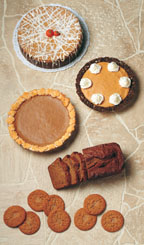
Chiquita Processed Foods, New Richmond, Wis., offers its customers aseptically packaged, low-acid products—pumpkin and sweet potatoes. While aseptic pumpkin has been available for a few years, aseptic sweet potatoes are a new offering.
Aseptic's Advantages
Aseptic containers in the foodservice and food ingredient sectors give manufacturers the following advantages: storage at room temperature, elimination of opening cans and potential exposure to metal shavings, easy waste disposal and an extended shelf life. Sterilized product is filled in pre-sterilized poly bags with a metallized barrier in a sterile environment. The shelf stable product has a two-year shelf life.
Chiquita packages the products in 34-lb. bags that are put into corrugated boxes. Smaller packaging sizes are available up to 55-gal. drum size. Some customers are requesting a 2000-lb. tote, the exact quantity of raw material needed to produce one batch of pumpkin mix, according to Jeffrey Acker, vice president of technology for Chiquita Processed Foods.
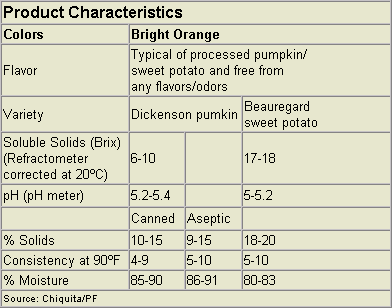
In contrast, the aseptic products are cooked at 275ºF and held for 12 seconds.
“With this high-temperature/short-time process, you get superior color retention,” says Acker. “Also, the texture is preserved, consistency is improved and the flavor is very clean. Often with canned pumpkin, there are dark spots due to overprocessing, which means burnt flavor notes.” Because of the shorter processing time required, throughput increases with aseptic processing.
Some manufacturers use frozen products which are excellent for color retention, however, storage and transportation are expensive. “Frozen products have to be completely thawed before use,” states Acker. “This can take a long time and sometimes operators take short cuts and don't allow complete thawing. This leads to a high degree of moisture on the outside of the pumpkin mass with the separation of solids and water. This causes increased cracking and shrinkage of the finished pies, as the moisture gets baked out of the pies. By converting to aseptic, these issues are eliminated.”
Both sweet potatoes and pumpkins are being touted for their nutritional profiles. They are both rich in the antioxidant beta-carotene. Sweet potatoes are a trendy product and usage is growing, says Acker. “Sweet potatoes are being added to products such as cakes, cookies, breads, and even smoothies.” Southerners are the biggest consumers of sweet potato pies.
Future Developments
Chiquita is developing more products for production at their U.S. processing facility. In Costa Rica, they have a line dedicated to aseptic banana puree processing.Future products could include flavored pumpkin and sweet potato with added spice blends. As demand grows, Chiquita will be offering value-added products with added flavors, colors and sweeteners, notes Acker.
If you think pumpkins and sweet potatoes are just for pies, think again. Potential expansion includes baby food and soups, on a global basis. “The Japanese are interested in pumpkin soup, which is popular there,” says Acker.
For more information:
Jeffrey Acker at 715-243-6307
jacker@chiquita.com • www.chiquita.com
Chiquita Processed Foods Write in 232
Looking for a reprint of this article?
From high-res PDFs to custom plaques, order your copy today!