
Articles by David Feder , RDN


Fruit-Based Sweeteners Gain Momentum
Rising demand for clean-label, lower-sugar solutions is driving growth and innovation across fruit-derived sweeteners
Read More

INNOVATION MONTH
Pop Oats Brings Crunch to the Oat Aisle
A USDA partnership helps reinvent oats as a bold, ready-to-eat snack with patented roasting technology
Read More

INNOVATION MONTH
Fermenting a First: How Fermenteria Brewed a Better Buzz
San Antonio start-up pioneers the nation’s first dedicated kefir brewery—crafting probiotic beverages that balance science, flavor and fun
Read More


Hand-Held Meals and Snacks: Where Global Flavors Meet On-the-Go Convenience
Global flavor grab-and-go foods are growing in both popularity and authenticity
Read More

INNOVATION MONTH
Formulating the Future of Sweet: Solving Sugar’s Replacement Puzzle
Food scientists explore new ingredient systems to match the flavor, texture and function of sucrose in modern formulations
Read More


Reasoned Opinion | Episode 5
When the Next Egg Crisis Hits…Duck!
Executive Editor–Technical David Feder presents an alternative for product makers who need to use real eggs in their formulations.
Read More
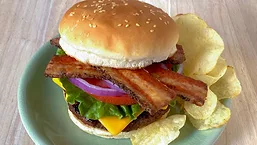
Makin' Bakon
This Next-Gen Bacon Analog is Thrilling
The key challenges in crafting analogs of animal proteins are matching flavor, texture, nutrition profile, and conformity to the same utility in preparation and cooking as its animal analogs
Read More