Reasoned Opinion | Episode 5
When the Next Egg Crisis Hits…Duck!
Executive Editor–Technical David Feder presents an alternative for product makers who need to use real eggs in their formulations.
In this installment of Reasoned Opinion (an editorial series on trends in the food, beverage, nutrition, and ingredient industries) Prepared Foods Network’s Executive Editor–Technical David Feder presents an alternative for product makers who need to use real eggs in their formulations.
We are in the throes of yet another egg crisis with avian flu making the rounds again and egg costs rising once more. As a former professional chef and having taught food science and food production courses at the University of Texas at Austin, I have some advice for our food product makers who use eggs. When the next egg crisis hits, duck. Now I don't mean duck and cover.
I mean if you can't get chicken eggs you can opt for duck eggs. Duck eggs for food production and food service have recently been made available in liquid format and while they'll be a little more expensive than chicken eggs they have several advantages, especially in baking.
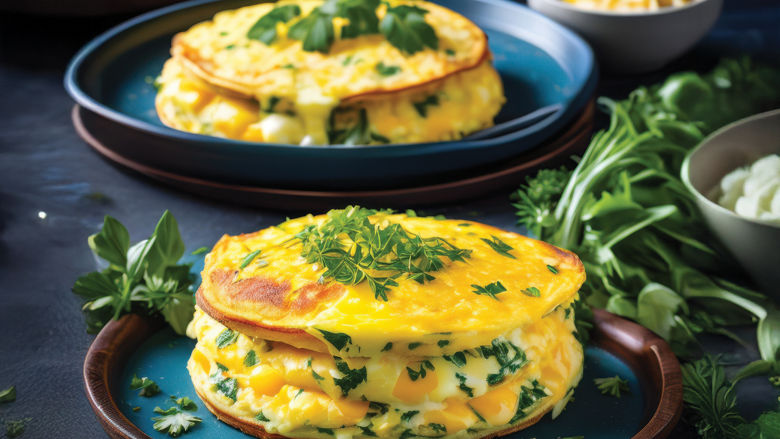
Flavor wise they are virtually the same as chicken eggs. Duck eggs provide more protein and contain more Vitamins A, B12 and E per ounce than chicken eggs and are richer in choline and vitamin D.
Compared to chicken eggs, duck eggs have been shown to improve product qualities, adding volume and a fluffier texture in baked goods and providing a smoother, more velvety finish to sauces and custards.
Now duck eggs in the shell are about 25 to 33% larger than chicken eggs, so they're best measured into formulations by shelled weight or volume. And while they're also around 25 -30% more costly compared to chicken eggs, ducks, while not immune to all forms of avian flu, are less susceptible and so they enjoy a more consistent supply.
Looking for a reprint of this article?
From high-res PDFs to custom plaques, order your copy today!


