Act Natural -- June 2007


Data
indicate organic products are making distinct in-roads into American buying
patterns. In 2004, household penetration of organics stood at 46%. That number
reached 56% in 2005 and hit 60% by the end of 2006.
During one of the show’s educational sessions, “Hot New Consumer and Retail Trends: Consumers Seize Control,” Jeffrey Nibler explained the breakdown of these sales. Nibler, senior adviser with SPINS, as well as COO and president of Clean Fish, explained that 54% of total natural products industry sales come from two sources: mass retailers (which account for 31%) and natural-focused retailers and independent grocery chains grossing more than $2 million annually (which account for the other 23%). The other 46% of sales are from a variety of sources: smaller naturally focused stores, corner stores, farmers’ market-type establishments, Wal-mart (which comprises roughly 8% of total sales), supplement stores, etc.
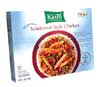
Nibler explained that natural frozen foods hold particular promise, and it is a niche that Kashi Company, for one, attempted to reach with launches this year. The company—famous for whole-grain cereals, crackers and bars—debuted Kashi All-Natural Entrées, which combine large-cut, crisp vegetables, whole grains and portions of protein, including chicken, shrimp and black beans. Kashi, of course, made sure to note the six-item line was all-natural and minimally processed. Varieties of the line include Lemon Rosemary Chicken, Chicken Pasta Pomodoro, Black Bean Mango, Sweet and Sour Chicken, Southwest Style Chicken and Lime Cilantro Shrimp—each with 240-380 calories, between 5g and 7g of fiber, and 8g to 19g of protein. Those same characteristics could describe the company’s recent extension of that line, which has grown to include Pesto Pasta Primavera, Chicken Florentine and Lemongrass Chicken.
Kashi also announced the launch of a range of all-natural frozen pizzas. They feature a stone-fired “seven whole grain and sesame blend crust complemented with flax seeds providing 260mg of ALA omega-3 fatty acid.” Each serving of the pizza provides at least 4g of fiber, 8g of whole grains and 15g of protein. Varieties include Five-cheese Tomato, Mediterranean and Roasted Garlic Chicken.
Likewise debuting for natural foods freezer cases this year was an all-natural pizza under the Wolfgang Puck moniker. With no preservatives or artificial flavors, varieties include Four-cheese, tomato and pesto; Barbecue Chicken; Spicy Chicken; Margherita; pepperoni; and cheese. The company assures they offer gourmet restaurant quality at home, but they serve as only the latest example of natural frozen entries in the meal sector. In the natural supermarkets channel, SPINS reports strong growth for frozen pizza sales: an 8.4% increase over one year ago, to reach $31 million.
As Jeff Johnson, Kashi brand manager and nutritionist, noted, “For today’s time-starved consumers, frozen foods represent a fast and convenient meal choice. However, there are very few options on the market that provide good nutrition and lasting nourishment.” Nibler concurs, stating he believes the natural frozen foods market could be a $1.5 billion opportunity.
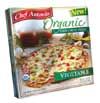
Gourmet
and natural, two of the more powerful trends of recent years, have begun to
merge, as evidenced by Wolfgang Puck’s new line of chef-inspired frozen pizzas.
Naturally Aware
Discussing data collected from Information Resources Inc. (IRI), culled from analyses of the purchasing habits of 70,000 to 100,000 households, Nibler found that 98% of the buying public purchased a natural product between 2005 and 2006. In fact, the IRI data indicate organic products are making huge in-roads into American buying patterns. In 2004, household penetration of organics stood at 46%. That number reached 56% in 2005 and hit 60% by the end of 2006.However, these increases are only part of the story. There have been sizable jumps in the actual amount of product that those households are purchasing. Asked to identify how much product was purchased, these households reported buying an extra 9% of natural products and an extra 21% of organic items.
As could be expected, Natural Products Expo West had plenty of new organic foods and beverages to tempt that emerging marketplace. Honest Tea, for instance, is attempting to capitalize on the efforts to introduce healthier products for children. Honest Kids is a line of organic drink pouches launched in May available in Berry Berry Good Lemonade, Goodness Grapeness and Tropical Tango Punch. Each has no caffeine and has been certified organic by Pennsylvania Certified Organic. With 40 calories per 200ml pouch, the beverages have 100% of the recommended daily allowance (RDA) of vitamin C and “less than half the sugar of most kids’ drinks, no high fructose corn syrup or artificial flavors.” Rather than high-fructose corn syrup, the beverages are sweetened with organic sugar cane.
High-sugar beverages have received negative press in the mainstream media and, as a consequence, parents are demanding lower-sugar alternatives for children’s beverages. Honest Kids is an example of one approach to reducing sugar content. Another product, however, reduces sugar content and has perhaps an even more powerful brand behind it.
Crayons is a line of all-natural beverages made with the SugarGuard protection system. The manufacturer, Crayons Inc., describes SugarGuard as an all-natural, scientifically proven, specialized blend of ingredients formulated to lower the overall sugar levels of beverage products and moderate the amount of sugar absorption within the body. Each 8oz can contains 90 calories, but the product is also available in 12oz bottles. The company notes it spent three years developing the beverages, which are made with 33% fewer grams of sugar yet promise a sweetness level that appeals to children. After all, with that powerful brand name on the label, the product had to be kid-friendly.
As Ron Lloyd, president and CEO of Crayons, explained, “Early on, we made the decision to develop all-natural products with superior nutrition; however, with a brand name like Crayons, we had to do it in a fun way.”
That fun way does not diminish the healthy attributes of the product. The Crayons beverages are made with 30% real fruit juice and boast 25% of the recommended daily intake (RDI) of vitamins A, D and E, 100% RDI of vitamin C, 12% RDI of fiber and 10% RDI of calcium.
Water Flow
A new water targeted at children also incorporates additional vitamins. Wild Waters, described as the first vitamin-powered, naturally flavored bottled water made just for kids, has “60% to 70% less sugar and calories than the leading sugary juices and soft drinks and is free of…high fructose corn syrup,” company representatives explained. Furthermore, the products have been fortified with specific nutrients that the USDA has identified as lacking in children’s diets. With 63 calories per 10oz bottle, they include essential nutrients such as calcium, magnesium, potassium, fiber and zinc, as well as vitamins A and C.However, this was one of many kid-oriented waters on display at Natural Products Expo West. Many opted to include extra nutrients, but Wateroos attempted a different tactic—nothing but flavor. Wateroos were described simply as naturally flavored, unsweetened water—just filtered water and natural flavors in a drink box. The company contends that many juices are no better than soft drinks when it comes to sugar content.
To combat that sugar content, many parents have taken to diluting juice with water when giving their children a beverage, and that approach seems to have been a cue for Nui Kids Water. This all-natural product is juice-sweetened, and real fruit juice is the only source of sweetness; however, the company is quick to note that this is far from the product’s only benefit. “There is nothing like this on the market today,” says Brian Machovina, president of Nui LLC. “Parents repeatedly told us that strong and healthy bones, digestion and immune system were most important to them when it came to their children’s health and well-being. This is not just another flavored water; rather, it is super-sized nutrition in a powerful little bottle.”
Nui Kids Water has 25% of the RDA of calcium per 10oz bottle, as well as antioxidants from a caffeine-free green tea extract and other fruit extracts. Antioxidants were also easy to find in more adult-oriented beverages at the expo. Bossa Nova Beverage Group displayed a 32oz version of its acai juice with agave (in original, mango and blueberry flavors), and the label proudly declared, “nature’s highest antioxidant fruit.” Oxygen radical absorbing capacity (ORAC) analysis by Brunswick Laboratories found acai contains 167 ORAC units, well ahead of the 106 ORAC units in pomegranate and the 61 in Wild Blueberry. The company notes the product is sweetened with organic agave, “the healthiest, lowest glycemic index sweetener available,” a representative explained. Bossa Nova also added two new flavors this year: raspberry and blueberry.
The biggest trend in the beverage aisles in recent years has been the rapid growth of energy drinks. The energy drink market experienced over 800% growth from 2000 to 2005 and is expected to hit $2.4 billion in 2006. Natural Products Expo West had an ample number of natural options for the consumer, with many straying far from the caffeine and sugar overload so prevalent in many mainstream energy beverages. Sambazon’s Rio Energy featured yerba mate and guarana, while SYZMO Energy brought the organic movement to energy drinks. Certified organic by Quality Assurance International Inc., SYZMO is available in three flavors—Passion, Prickly Pear and Blue Agave. Specifically, the premium blue agave nectar is certified organic, and it also has the lowest glycemic index of all the sweeteners on the market, company representatives contended. With 90 calories per serving, SYZMO has natural caffeine from coffee, guarana extract, green tea extract, yerba mate extract, biotin, folic acid, zinc and co-enzyme Q10, as well as vitamins B2, B3, B6 and B12. The company says two years went into its efforts to develop a healthy energy drink.
Milking Energy
Another energy drink alternative shuns virtually all of the prior notions of the segment. Stonyfield Farm took the opportunity to introduce Shift Organic Energy Drink, which combines protein, vitamins, acai and ginseng, though no caffeine or guarana. The company notes that Shift drinkers do not experience a rapid heart rate, anxiety, gastrointestinal problems or other side effects frequently associated with traditional energy drinks. Further differentiating it from energizing competitors, Shift is a cultured dairy drink made with milk and other ingredients from “organic farms that pledge not to use antibiotics, hormones or toxic and persistent pesticides and fertilizers.” Discussing the reasoning behind the product, Gary Hirshberg, president and CE-Yo at Stonyfield Farm, explains, “Energy drinks promise a lot but only give a temporary, artificial energy spike followed by a quick low. For teens and young adults who want to maintain a healthy and sustainable energy level, Shift is the only organic alternative [with a] benefit from vitamins, protein and calcium—things the body needs for peak performance and recovery.” Each 10oz serving has 200 calories; low-fat Shift has a third less sugar than regular yogurt smoothies and boasts acai, calcium and vitamins B3, B6, C and D.With such a surge in the popularity of beverages that boost energy levels, it seems unusual that some introductions would attempt just the opposite. While these relaxation drinks were not a rage (only a couple were at the show), they could be the start of a counter trend.
Malava Beverages LLC introduced Malava Relax. The “world’s first natural juice drink enhanced with kava and essential vitamins,” the product is an effort to claim a market position between the “heady jolt of energy drinks and the nutritional promise of fruit-based beverages.” The certified organic kava is an herbal root used by South Pacific cultures for relaxation purposes, hence the company’s description of the product as an “anti-energy drink” that provides a sense of calm and clarity without a loss of focus. A Malava Relax Lite version also is available that incorporates sucralose as a sweetening agent.
Dreamerz, unlike the Malava products, is a line of beverages that purport to induce sleep safely and naturally. The three-item line is formulated with melatonin and a proprietary milk-derived protein. The company says studies have shown Dreamerz helps people fall asleep faster, wake fewer times per night and improve their overall quality of sleep.
A natural active ingredient proven to assist with relaxation and stress reduction, the component is derived from milk casein and contains a bioactive peptide with relaxing properties but does not contain lactose. Each 8oz serving of Dreamerz contains 150mg of the relaxing protein and 0.3mg of melatonin. Known as “the sleep hormone” because it helps regulate sleep and wake cycles, the latter is a hormone naturally produced by the pineal gland in the brain. According to the company, more than 20 studies at the Massachusetts Institute of Technology found that small doses of melatonin raise blood melatonin levels to normal nighttime levels and can help improve sleep quality through the night.
Products that similarly allow consumers a greater degree of control over their lives were among the trends to watch mentioned in educational sessions. In particular, Linda Povey’s presentation “Top Trends for 2007” forecast an increased consumer interest in condition-specific products, as Baby Boomers embrace the idea of control and choice. Povey, vice president of strategic consulting at Natural Marketing Institute (NMI), explained, “Just in the last year, consumer choices have moved toward a sense of self-awareness.” In 2004, 31% of consumers indicated supplements that are condition-specific were of interest to them; by 2005, that number had jumped to 44%, with immune support and energy concerns leading the way.
Coincidentally, Energy and Immunity were two of the three new varieties of wellness drinks launched by Aristo Health Inc. at this year’s Natural Products Expo West, with Renew rounding out the new line. Energy is fortified with Siberian ginseng, Indian ashwaganda (to boost the immune system and memory), the antioxidant yerba mate, D-ribose for increased mental acuity to invigorate the body, and 50mg of omega-3s and -6s, in addition to vitamins B3, B5, B6 and B12. Immunity, meanwhile, seeks to strengthen the immune system with a proprietary blend of green tea extract, grape skin extract, grape seed extract, shiitake extract, plus 50mg of omega-3s and -6s. The same amounts of omega fatty acids are in Renew, which is high in natural antioxidants to help reduce oxidative tissue damage and is fortified with lutein esters, lycopene, apple polyphenols and aloe vera gel.
Similar wellness benefits could be expected from The Ginger People’s Ginger Soother. This beverage features 19g of Chinese yellow ginger to “soothe the throat and stomach, warm the internal organs, and ease nausea and ailments—from colds to headaches.” The company also notes that critical reviews in Food Science and Nutrition 17 (no.8 [1982]) found ginger is a powerful antioxidant with over 12 constituents superior to vitamin E.
No Gluten Glut
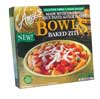
The passing of the low-carb craze appears to have left room in developers’ efforts for gluten-free innovation, which is seeing notable emphasis due to a growing awareness of food intolerance, Celiac Disease and other diet-related issues, as well as what may be mistaken self-diagnoses. Regardless of the reason, the Natural Products Expo West had a wide sampling of gluten-free items.As in beverages, many of these gluten-free offerings targeted young people. Amy’s, for instance, added a Baked Ziti Kid’s Meal, containing ziti pasta, broccoli and sauce, rice focaccia bread and apple crisp—all gluten- and casein-free.
Simplebites Mini Cookies from Pamela’s Products are free of gluten and dairy. The chocolate chip cookies and Ginger Snapz are described as perfect for lunchboxes, treats on-the-go or a low-guilt indulgence. Similar cookie packs could be found from Enjoy Life Foods (in chocolate chip and snickerdoodle varieties), but the company’s big announcement was two additions to its gluten-free and food allergy-friendly soft-baked cookie options—Happy Apple and Lively Lemon.
The 100-calorie phenomenon seen elsewhere also firmly ensconced itself in the natural sector, as Barbara’s Bakery introduced Organic 100 Calorie Mini Cookies in oatmeal, chocolate and ginger varieties. Undoubtedly, this emerging trend will make its way further into the natural and organics category, as the segment further embraces mainstream trends.
Website Resources:
www.spins.com — SPINS research group for the natural products industry
us.infores.com — Information Resources Inc.
www.nmisolutions.com — Natural Marketing Institute
home.howstuffworks.com/energy-drink.htm — How energy drinks work
Looking for a reprint of this article?
From high-res PDFs to custom plaques, order your copy today!
 |
William Roberts is responsible for the consumer trends section in Prepared Foods, as well as the website news updates and e-newsletter. He served as the Senior Copy Editor at Elevator World. He holds a B.A. in English and a B.S. in Political Science from the University of Mobile.