General Mills Retail Foodservice introduced new Pillsbury thaw-and-serve desserts at IDDBA 2026, expanding its portfolio for retail bakeries. The additions are designed to help operators reduce labor while offering customizable, ready-to-merchandise dessert options.
US restaurant and foodservice sales are forecast to hit $1.55 trillion in 2026, with operators expected to add more than 100,000 jobs. Even as demand holds, margin pressure from labor, food and operating costs is accelerating investment in workforce development and technology.
GLP-1 drugs like Ozempic and Wegovy aren’t keeping consumers out of restaurants—but they are changing what and how much they order. Smaller portions, protein-forward menus and flexible formats are emerging as key strategies in a new era of eating less.
Foodservice is entering a tactical new era shaped by digital disruption, tighter budgets and a health-minded consumer base. This feature breaks down the five trends suppliers need to navigate to cut through the noise and win in 2026.
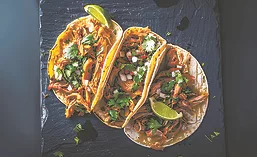
Joe Jurgielewicz & Son earned Prepared Foods’ Spirit of Innovation award for its fully cooked Duck Carnitas, designed to bring authentic flavor and kitchen efficiency to foodservice. The shredded, seasoned duck offers chefs a versatile, premium protein for creative menu applications.
What happens when four T’s—trends, technology, taste, and texture—come together in dessert form? Eli’s S’Mores Cheesecake transforms campfire nostalgia into an award-winning indulgence that’s as smart as it is sweet.
Prepared Foods’ 2025 Spirit of Innovation Awards recognize excellence in new product development across retail, foodservice, and alternative channels. From authentic flavors to functional benefits, this year’s winners exemplify how trend insight, creativity, and collaboration drive industry innovation.
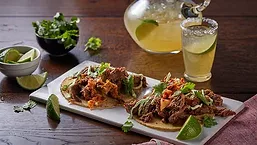
Smithfield’s Smoke’NFast brand is adding three trend-forward offerings — Shredded Beef Birria, Chopped Beef Brisket and Pork Shoulder Burnt Ends — to help operators menu global flavors and smokehouse classics with ease. The fully cooked meats allow foodservice teams to deliver authentic taste without added equipment or labor.
The Food Away from Home Association projects a 1.1% inflation-adjusted increase in 2026 supplier purchases, with menu inflation expected to ease and resilience continuing across restaurants, c-stores, cafeterias and emerging formats like ghost kitchens
IFMA anticipates a slowdown next year in menu inflation, or what many in the industry cite as the key reason for declining orders of meals prepared outside the home. The association expects food costs to rise by 3% next year, compared with the 3.9% it projects for 2025.
Tariff policy changes raise concerns over ingredient cost volatility, with potential implications for menu pricing, sourcing strategies and supply chain planning
"Operating a restaurant is becoming increasingly difficult due to economic and regulatory pressure and a nearly 5% increase in wholesale food costs since last year. These new tariffs on food and beverage items will exacerbate the situation," said Michelle Korsmo, president & CEO, the National Restaurant Association