2021 Predictions: SWEETENERS
Sweeter Times Coming
The search for sweetness is only natural.
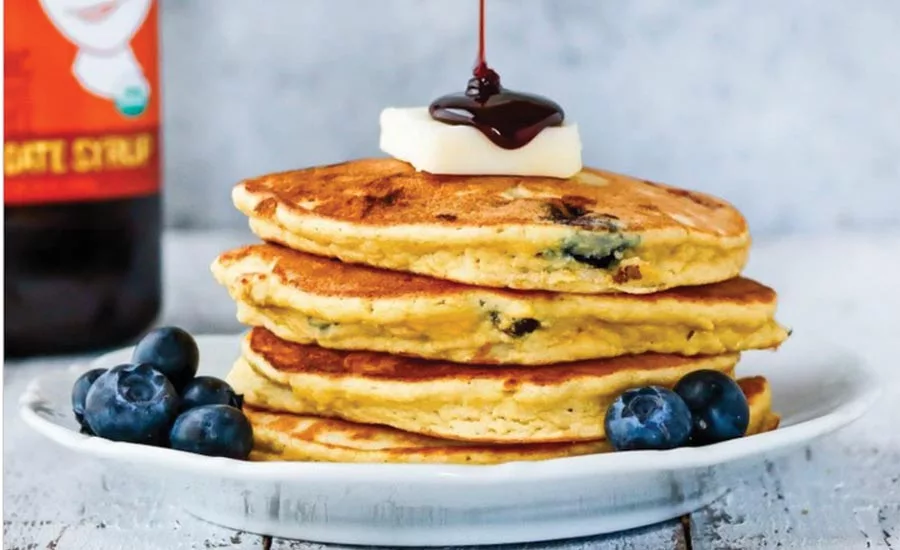
Natural sweeteners with a clean label, especially fruit-derived ones such as date syrup, are experiencing surprising market growth.
photo courtesy of: Date Lady, Inc. (www.ilovedatelady.com)
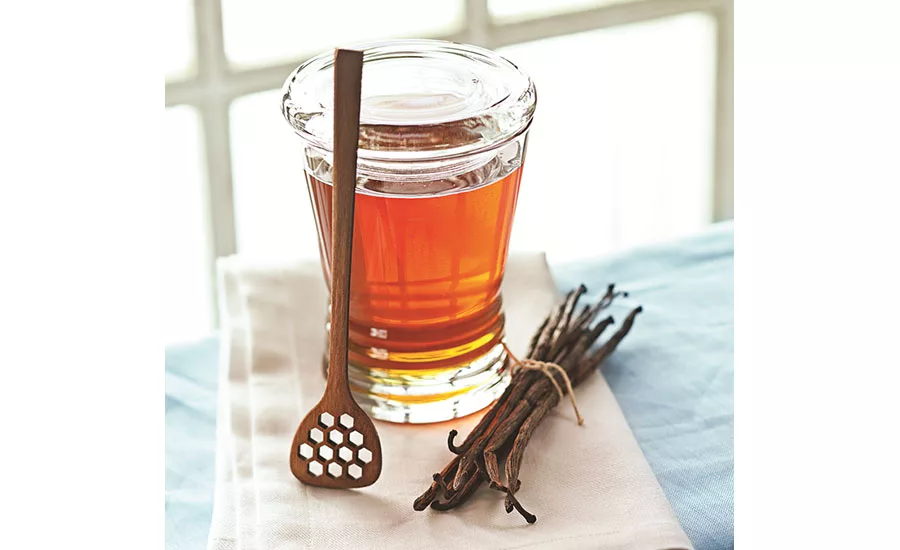
Honey is having a renaissance as product developers recognize its versatility and ability to blend with or enhance other flavors in unexpected ways.
photo courtesy of: NATIONAL HONEY BOARD (WWW.HONEY.COM)
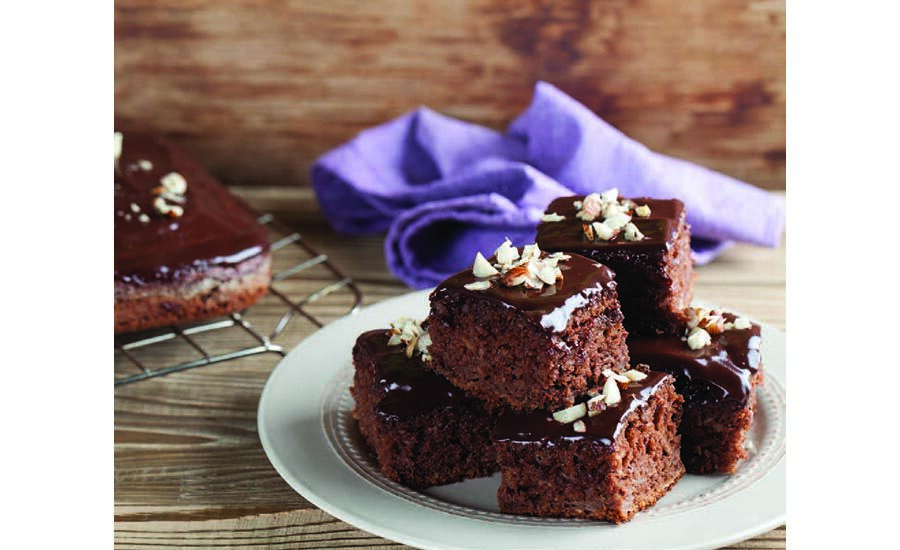
Ultra-low calorie allulose will continue to grow in popularity in 2021 and beyond due to its ability to be a 1:1 sucrose mimic in many formulations.
photo courtesy of: TATE & LYLE, INC. (WWW.TATEANDLYLE.COM)
Consumer commitment to reduce sugar consumption continues to drive industry opportunities to develop non-nutritive sweeteners that perform and taste like table sugar. Blending nutritive sweeteners with high-intensity sweeteners (HIS) has become the standard, with stevia being the common go-to, typically in blends with everything from corn-derived sucrose or dextrose to maltose or tapioca sugar, or recent arrivals like coconut sugar.
For complete or near-complete caloric reduction, stevia is often blended with polyols such as erythritol or maltitol, or the oligosaccharide inulin. The goal for most of these systems is to provide a natural, granulated, low-calorie or calorie-free sweetener that bakes and browns in recipes and sweetens and measures like granulated sucrose.
The challenge has been to craft such sweeteners to be as all-purpose as sucrose, working equally well in cookies, cakes, quick breads and other bakery items as in hot or cold beverages or dairy-based formulations.
Polyols remain popular for confectionary, dairy, and bakery applications. Maltitol is similar in molecular weight to sucrose and corn syrups but with about half the calories. It’s a popular low-glycemic sweetener for manufacturers of hard candies, chocolates, and ice cream, as well as for use in snack and energy bars. Maltitol also is a favored blend for product developers who might not be considering high-intensity sweeteners or accepting of the cooling effect associated with some polyols.
Erythritol continues to hold ground as a bulking agent for tabletop versions of HIS, allowing consumers to use those products as they would use granulated sugar. Increasingly available are stevia or monkfruit blended with erythritol and small amounts of starch (generally for anti-caking) as powdered sugar replacements for icings and frostings for home bakers.
Confectioners’ sugar replacements on
the market also include those made with erythritol, oligosaccharides, and natural flavors.
Less available naturally, thus more costly, are rebaudiosides D and M. These prized steviol glycosides are considered the sweetest components of the stevia plant but only comprise about 1% of its total glycosides.
The latest technology is beginning to make these stevia forms more easily attainable. They can be produced through yeast-based fermentation of the stevia leaves or via a bioconversion process, different from fermentation that utilizes enzymes to attach glucose molecules. The resulting increase in supply and decrease in cost have become boons for formulators.
These new forms and production methods of stevia also are better at addressing off notes such as astringency, lingering bitterness, or licorice flavors that previously hindered consumer acceptance of the sweetener. So, too, are refined flavor modulators with FEMA-GRAS status. The goal is to get as close as possible to the “the gold standard” of flavor, sweetness, and duration balance of pure crystalline sucrose. When used in accordance with established guidelines, such non-nutritive sweeteners can be listed as “natural flavors” on an ingredient statement.
DOWN TIME
A recent surge in interest in home baking, driven by stay-at-home orders resulting from COVID-19, has been a boon for the sweetener industry. Manufacturers of packaged sweet snacks and confections also are benefitting from consumers letting their sweet tooth off the leash. Online interviews of 1,000 consumers in August revealed that 27% admitted to eating sweet snacks more often than before the pandemic, with 63% of respondents citing convenience as the reason behind that increased consumption. The pandemic has served to further fuel the love/hate relationship with sugar as sedentary, home-bound people of all ages mire in what has been termed the “Quarantine 15” weight gain.
FUTURE SWEET
Pure crystalline sucrose also sets the standard for other attributes such as texture, bulking, mouthfeel, caramelization, freezing point depression, and antimicrobial benefits. All these qualities must be considered when formulating without nutritive sweeteners or with reduced amounts of them. For this reason, while stevia remains a strong seller, allulose continues its move into the spotlight. The fructose stereoisomer is favored for providing three key attributes consumers seek in sugar reduction: sucrose-like flavor, “clean” labels, and one-to-one sucrose replacement.
Last year, allulose gained exemption from being declared as “added sugar” in labeling, due to its ultra-low-calorie status of between 1/20 and 1/10 that of sucrose. Already in use in some chocolate candies and beverages, allulose boasts moisture retention and browning properties that are making it increasingly popular for use in baked goods.
Fruit sweeteners, too, are continuing to see increasing application as the clean-label movement continues to dominate. While coconut sugar is finding its way into more and more products, and has trended especially well in high-end baked good formulations, sweeteners from dates and carob have started to make a showing. Beverage companies such as Inno-bev, Ltd., makers of the functional natural energy drinks BioLift and WakeUp! are finding the soft sweetness of the carob fruit-derived ingredient adds a little extra body and depth of flavor to clear carbonated beverages.
Use of another fruit sweetener source, dates — specifically date-based pastes, sugars, and syrups (sometimes called “date honey”) — is climbing and will likely continue to do so. Ancient enough to have been mentioned in the Bible, date sweetener still is common — along with two other Middle Eastern sweeteners, fig and pomegranate syrup — in the Levant. However, the recent consumer attraction to fruit sweeteners as well as global/ethnic ingredients has captured Western product makers’ attention.
Date syrup has traditionally been used as a topping for yogurt, frozen desserts, or fresh fruits, but also has applications in beer making, smoothies, and coffee beverages. Date paste, with its high levels of pectin and stickiness, can pull double-duty as both a natural sweetener and a binder in applications such as bars and confections.
Date syrups retain a good portion of their fiber, in addition to magnesium, potassium, and other nutrients. They generally range in sweetness from 70°-76° Bx, compared to maple syrup at 66°-69° and honey at 70°- 88°Bx. Date syrup can be used as a sucrose replacement at levels of up to 15% without affecting overrun or viscosity.
Palm sugar and palm syrup traditionally are tapped and produced from a different type of palm than date palms. Traditionally used as sweeteners in countries such as Sri Lanka and Malaysia, palm-derived sweetening ingredients are attracting attention from US product developers because of the burgeoning popularity of cuisines from that part of the world.
These fruit sugars and syrups are perceived as a healthier alternative to granulated beet, cane, or corn sugars, and typically they are organic. Closer to home, syrups derived from brown rice, wheat, sorghum, and malted grains as well as sweet potatoes are being incorporated into baked products, confections, and even beverages.
Currently, since sugars can be extracted from virtually every plant, the coming year should see some new entries on the market. While most of these will be nutritive, delivering 4kcals/g, other sources of sweetness, such as sweet proteins designed by Israeli AI that are 1,000 times as sweet as sucrose and have no aftertaste, are coming down the pike in the next year or two.
Looking for a reprint of this article?
From high-res PDFs to custom plaques, order your copy today!


