Sweeteners help snack and bakery manufacturers offer better-for-you products
Strategies for sweetener use factor in several variables, including 'added sugars,' better-for-you positioning, flavor, and natural and clean-label requirements.
courtesy of FDA
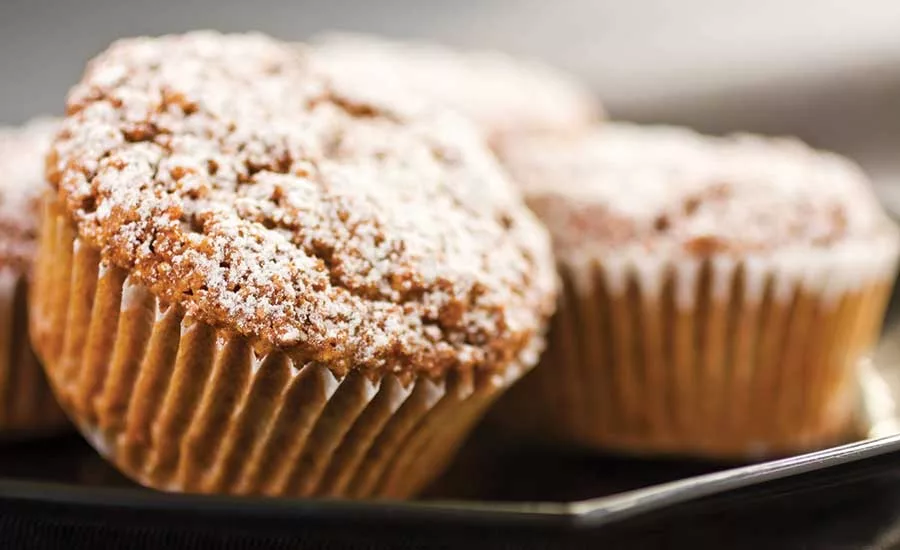
courtesy of Beneo
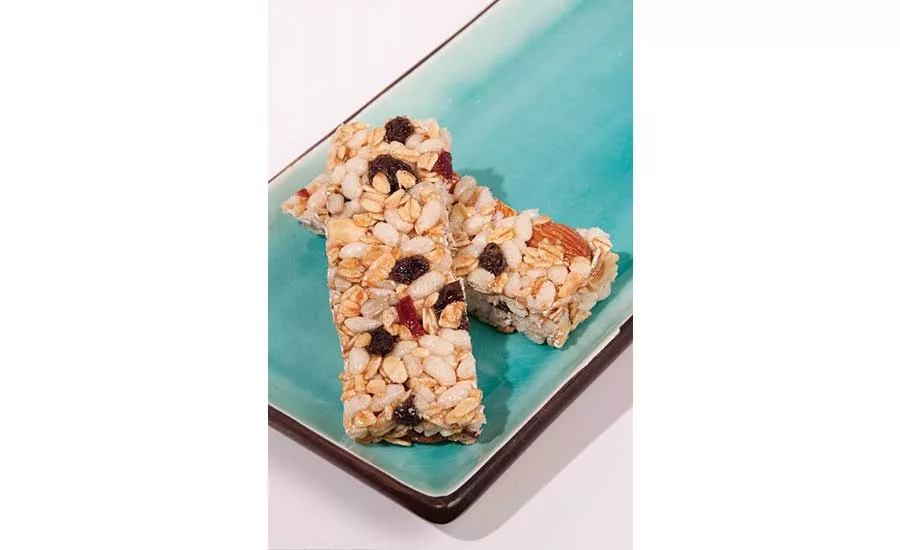

courtesy of Cargill
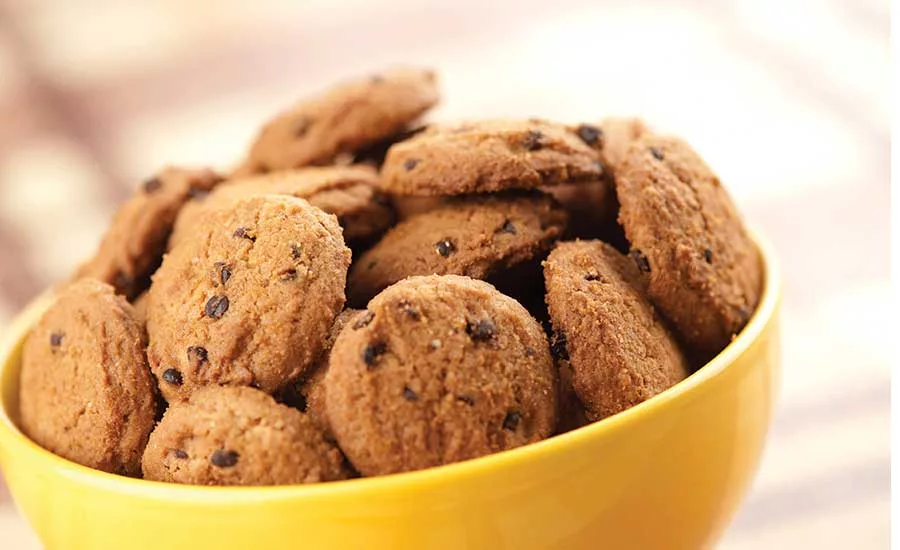
courtesy of Beneo
courtesy of Cargill

We often equate January with the start of diet season. The past two months of overindulging are now behind us, and it’s time to be responsible eaters again. All over America, people are charging up their Fitbits, putting on their sneakers and turning over packages to read nutrition labels. Some might be looking to increase protein or fiber, or decrease total calories and fat. And the subject of sweeteners always factors strongly into these discussions.
Added sugars issues
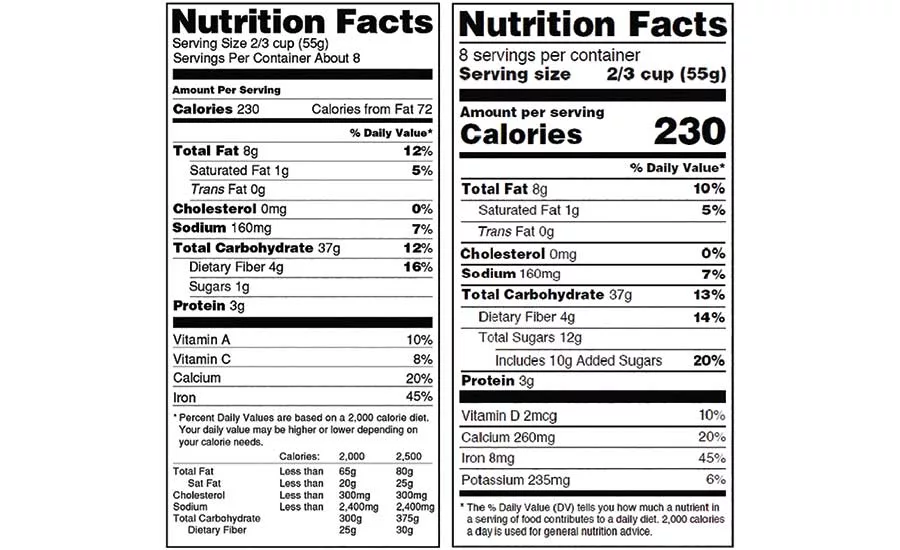
The Nutrition Facts panel format is about to go undergo a transformation. By July 26, 2018 (or July 26, 2019 for manufacturers with less than $10 million in annual food sales) manufacturers must comply with the new format. One of the format changes will include a listing for “added sugars,” clearly highlighting this nutritional aspect of foods.
In 2015, the World Health Organization (WHO) published a new guideline recommending adults and children alike reduce their daily intake of “free sugars” (another way of saying added sugars) to less than 10 percent of their total energy intake. WHO notes a further reduction to below 5 percent, or roughly 25 grams (6 teaspoons), per day would provide additional health benefits.
In its report, WHO notes that it does not include the sugars in fresh fruits and vegetables, or sugars naturally present in milk, because “there is no reported evidence of adverse effects of consuming these sugars.”
The new “Added sugars” line is indented under the “Total sugars” line on the Nutrition Facts panel. Per FDA, added sugar is the number of grams of added sugars per serving. These are defined as any sugars added sugars are either added during the processing of foods and include free, mono- and disaccharides; sugars from syrups and honey; and sugars from concentrated fruit or vegetable juices that are in excess of what would be expected from the same volume of 100 percent fruit or vegetable juice of the same type. If the food, per serving, contains less than 1 gram, the statement “Contains less than 1 gram” or “Less than 1 gram” may be used; if the serving contains less than 0.5 gram, the content may be expressed as zero.
A question of taste
When it comes to sweetener choices, formulators have more tools in their toolbox than ever before. According to Pam Stauffer, global marketing programs manager, Cargill, Wayzata, MN: “We know consumers want to reduce their sugar intake, but still desire a great-tasting sweet baked treat. With ViaTech stevia sweetener, Zerose erythitol and Oliggo-Fiber chicory root fiber, we provide solutions that deliver up to 50 percent sugar reduction in baked goods, while maintaining the functionality that bakers desire.”
Stauffer commented that “in applications such as cookies, cakes and bars, sugar is more than sweetness. The functionality of sugar impacts spreading (in cookies) and binding (in bars). To achieve sugar-reduction goals in these applications, product developers need to recreate this functionality by leveraging other ingredients such as starches, hydrocolloids and fibers.”
Tate & Lyle, Hoffman Estates, IL, has extensive experience combining ingredients to reduce calories and replace sugars without sacrificing taste and texture. “The biggest challenge in baked goods is to replace sugar in yeast-fermented baked items, such as breads and bagels, because sucrose directly affects processing conditions and the final flavor of the product,” points out Luis Fernandez, senior vice president, global applications.
Fernandez explains that high-potency sweeteners such as sucralose, stevia and monk fruit extract, enable formulators to “drastically lower sugar content of products without compromising taste. However, because these ingredients are used in small quantities, they do not provide functional attributes, like bulk and mouthfeel, in formulations.”
The solution is to utilize the synergies of various sweetener combinations to deliver the desired taste and eating experience while still reducing sugar. “For example,” Fernandez continues, “if a formulator is looking to reduce calories and sugar in baked goods, the pairing of allulose and certain high-potency sweeteners like stevia offers the best sweetness profile in their baked goods. In addition to reducing calories and providing sweetness, allulose can be used to impart very similar structure and texture as sucrose. It will also increase shelf life or humectancy over time. Allulose also works well in achieving a caramel flavor like that found in cookies.”
Bars, which often rely on sugar to cover the taste of highly concentrated nutritional ingredients, are a good candidate for new approaches to reducing added sugars. Along these lines, Quest Nutrition has introduced an energy bar line, Quest Beyond, made with allulose that have 2–3 grams of “net carbs” per bar.
A little something extra
The desire for a clean label often enters into the discussion during product development today. And whenever a sweetener can perform double-duty, it gains appeal.
“From a functional standpoint, honey’s use in clean-label breads extends well beyond sweetening, and includes increasing the shelf life of bakery foods through the three main factors that help maintain crumb softness: preventing moisture transfer, delaying starch recrystallization and hydrolyzing starch,” says Catherine Barry, director of marketing, National Honey Board, Firestone, CO. “Liquid honey is hygroscopic and enables products to maintain their moisture content far longer than products that use dry sweeteners. Honey, by design, does not give up its water easily. With an average water activity of 0.55, honey acts as a natural humectant.”
Other ingredients that prevent moisture transfer are those that bind water, including starches, fibers or maltodextrins, notes Barry. “However, the amylase present in honey promotes crumb softness by effectively hydrolyzing starch, thereby contributing to moisture retention. Honey’s fructose content also holds in a bakery food’s moisture, thus reducing dry products, and the ingredient’s high acidity (average pH 3.91) inhibits mold growth.”
More people are starting to recognize that all sugars are not created equal. Jon Peters, president, Beneo, Morris Plains, NJ, notes that consumers believe sugars naturally derived from fruits, vegetables and other plants are healthier—and are looking for a sweetener that doesn’t lead to a sugar boost and crash effect.
Beneo offers sweeteners that replace high-glycemic sugars such as sucrose and fructose. Peters says that prebiotic fibers like inulin and oligofructose help reduce sugar content by delivering a mild, sweet taste with half the calories. At the same time, they provide soluble fiber content which helps maintain taste and texture. They also contribute to a lower blood sugar level and promote digestive health.
The ingredients can also provide functional benefits. “In cereal bars, for example, chicory fiber can act as a humectant ensuring a soft texture during shelf life,” says Peters. “Technical trials have shown, for example, that Palatinose could improve both the quality of a glazed doughnut and its shelf life.”
More snack producers and bakers are adding inulin into the mix:
- Nabisco Good Thins rice crackers (Mondelez International), made with inulin and whole-grain rice flour, feature 1 gram of sugar per serving
- Nature’s Own Life Double Fiber Whole Wheat bread (Flowers Foods) contains inulin along with the whole wheat flour and sugar at less than 1 gram per serving
- ALDI’s Millville Breaktime Peanut Butter Fudge bars contain inulin and feature on-pack diet-focused messaging
- It’s always hard to part with the familiar, but with the wide range of available sweeteners, snack producers and bakers have the right tools to find new ways to reduce sugar without losing taste.
Honey traceability
Not all honey is legally and ethically sourced, and that can be a sticky problem for snack food and bakery manufacturers.
The U.S. imports about 70 percent of its honey. Most imported honey is high-quality and honestly sourced. A few years ago, however, honey was involved in one of the largest food fraud cases in this country. Despite federal crackdowns, millions of pounds of illegally sourced honey (and honey of questionable quality) may still be entering the U.S.
The True Source Certified Honey program was developed to promote 100 percent pure, traceable honey in the marketplace. Audits conducted by an internationally recognized third-party firm certify the source of honey from hive to manufacturer. The certification program also confirms that packers and exporters maintain a system to analyze for other syrups or sweetener extenders in honey.
The True Source Honey initiative is a nonprofit organization currently representing over 30 percent of the honey sold in North America. True Source Honey Certification seeks to help prevent illegal trade in honey that circumvents U.S. and international laws—and potentially harms the reputation of honey. When sourcing honey, look for the True Source Honey Certified mark to make sure you are receiving ethically and transparently sourced honey. If you do not see the True Source Certified logo, check the True Source Honey website to see if your honey supplier participates in the program.
Snack producers and bakeries that use True Source Certified Honey in their products are also invited to apply to use the “Made with True Source Honey” claim. For more information, visit www.truesourcehoney.com.
—Mary Humann, representative, True Source Certified Honey
Top considerations for Nutrition Facts label changes
According to the 2016 “Food and Health Survey” from the International Food Information Council (IFIC), 49 percent of Americans look at the Nutrition Facts panel when deciding what food and beverages to purchase, and 47 percent said they’re looking at the ingredient list.
The recent changes to the Nutrition Facts label are a part of this transformation. As manufacturers work to introduce or reformulate baked goods, there are some challenges that they need to consider.
Reducing calories. One of the most-significant changes to the label is the increased emphasis on total calories. According to a FoodMinds study conducted by Tate & Lyle in February 2015, 65 percent of Americans rank calories as the No. 1 item they look for on front or back of packaging.
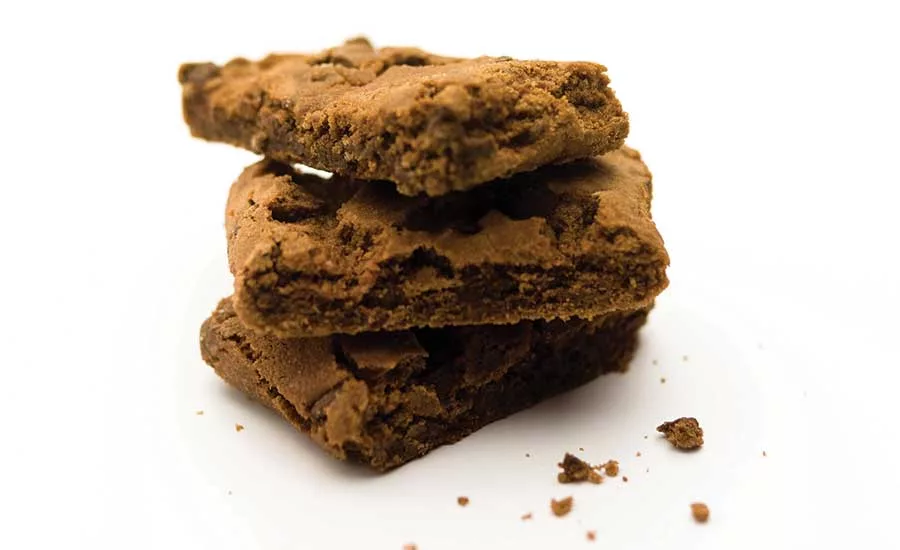
Last year, we worked with a large baked goods producer to help them decrease calories and sugars in mini brownie bites. The goal was to help achieve portions under 200 calories, without sacrificing taste or texture. We were able to decrease sugar and calories, as well as increase fiber in their formulations to support the “better-for-you” trend.
Added sugars. We know consumers are also looking to reduce overall added sugars. According to results from our FoodMinds study, 54 percent of U.S. consumers report they are actively trying to consume less sugar. Sweeteners like sucralose, stevia and monk fruit extract allow manufacturers to significantly lower sugar content without compromising taste. However, sugar replacement is not a one-for-one exchange.
Sucrose provides structure and texture, allows for browning in baked goods, and often adds warm caramel flavor notes to things like cookies and cakes. It can be even more challenging to replace sugar in yeast-fermented baked items, because the sucrose directly affects processing conditions and final flavor of the product. By exploring different sweetening solutions you can leverage “sweetener synergies” to ensure you’re successfully delivering what consumers expect.
Maintaining texture. While baked goods manufacturers work to reduce the amount of added sugars and calories in their products, they need to ensure that the structure of the finished product is not impacted. If caloric sweeteners like sucrose are removed, then formulators need to add back the bulk with a second sweetening ingredient like allulose.
Allulose works especially well in baked goods. It provides the same structure and texture of sucrose, as well as the shelf life or humectancy over time. For example, sensory data shows that after three months of storage at room temperature, bars made with allulose had much better texture acceptability compared to a bar made with caloric sugars.
Deliver taste. Taste is still king. In fact, according to the IFIC study, 84 percent of Americans rank taste as the No. 1 deciding factor when purchasing foods and beverages.
The pairing of allulose and certain high-potency sweeteners, such as stevia or monk fruit extract, offers baked goods manufacturers an appealing sweetness profile. When formulating with allulose, the sweetness profile is enhanced to better match sucrose, and the usage level of stevia sweeteners can be greatly reduced.
While manufacturers continue to create and optimize baked goods to fit the needs of consumer demands, it is even more important with the recent updates to lean on ingredient suppliers with strong formulation expertise and an extensive portfolio of solutions to meet labeling needs. Consumers’ needs are evolving daily. Therefore new and creative ingredients and solutions will continue to enable manufacturers to deliver extraordinary food options that meet both consumer demands and labeling requirements.
—Sarah Scholl, Food Scientist, Bakery Team Lead, Tate & Lyle
Editor’s Note: The article originally appeared in the January 2017 issue of Snack Food & Wholesale Bakery, a sister publication of Prepared Foods at BNP Media. For more insight like this, visit http://www.snackandbakery.com.
Looking for a reprint of this article?
From high-res PDFs to custom plaques, order your copy today!


