2020 RETAIL NEW PRODUCTS ANNUAL
Next-Gen Beverages Offer Better-for-You Benefits, Sensory Appeal
Brands appeal to health-conscious consumers with exotic flavors, unique textures, and vibrant colors
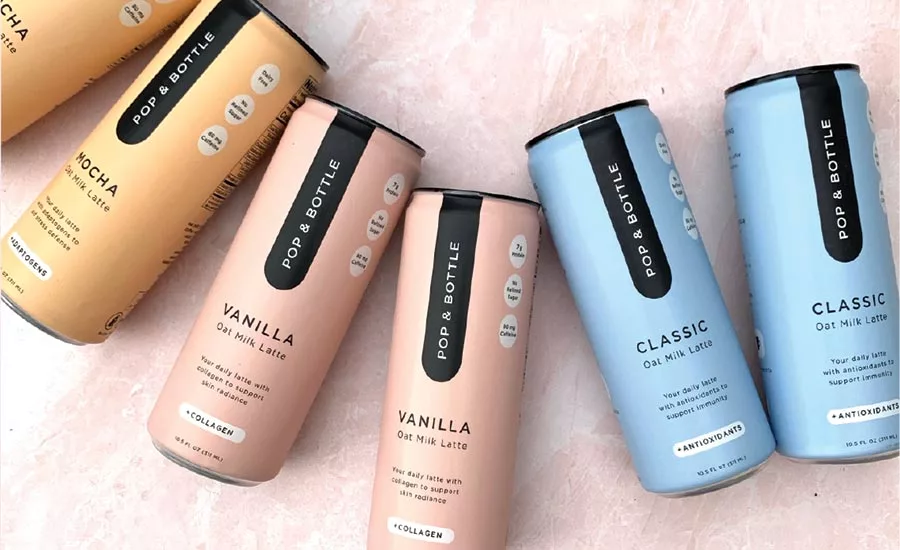
Oat milk is an on-trend taste in evolving plant-based beverages. New Pop & Bottle offerings also come with functional benefits.
PHOTO COURTESY OF: POP & BOTTLE (WWW.POPANDBOTTLE.COM)
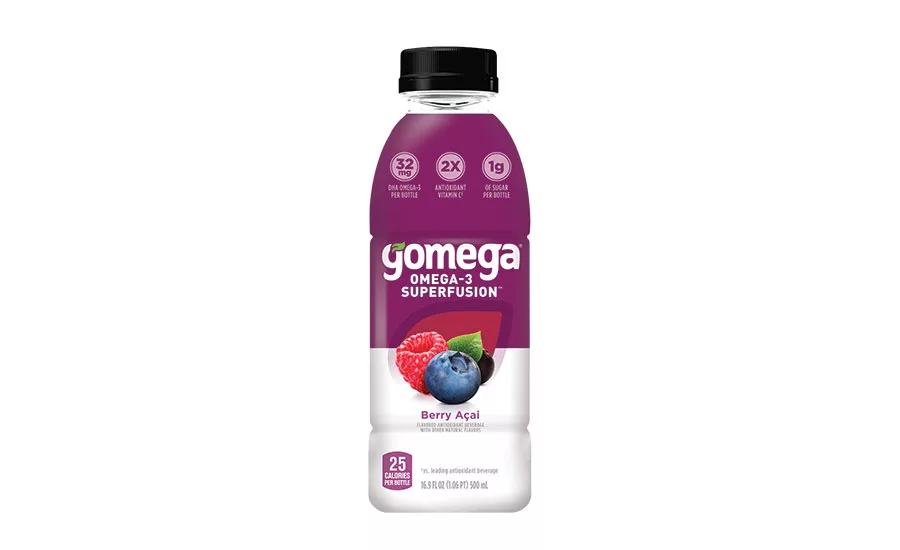
DHA omega-3 is expected to be the rising star of nutrient-rich beverages because of its suggested health benefits. Coca-Cola says its new Gomega is an omega-3 “superfusion” in three varieties: Berry Acai, Strawberry Guava and Mango Passionfruit. All three contain 32mg of DHA omega-3s, two times more antioxidant vitamin C, 25 calories and no more than 2g sugar.
PHOTO COURTESY OF: THE COCA-COLA COMPANY (WWW.COCA-COLACOMPANY.COM)
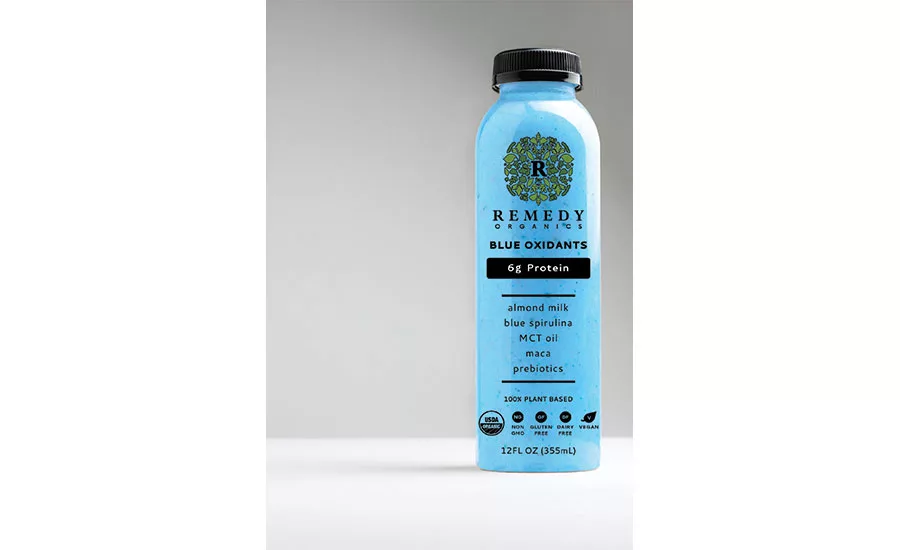
Just like restaurants, CPG brands use texture, color to create “Instagram” opportunities. Remedy Organics is one of those using color to stand out.
PHOTO COURTESY OF: REMEDY ORGANICS (WWW.REMEDYORGANICS.COM)
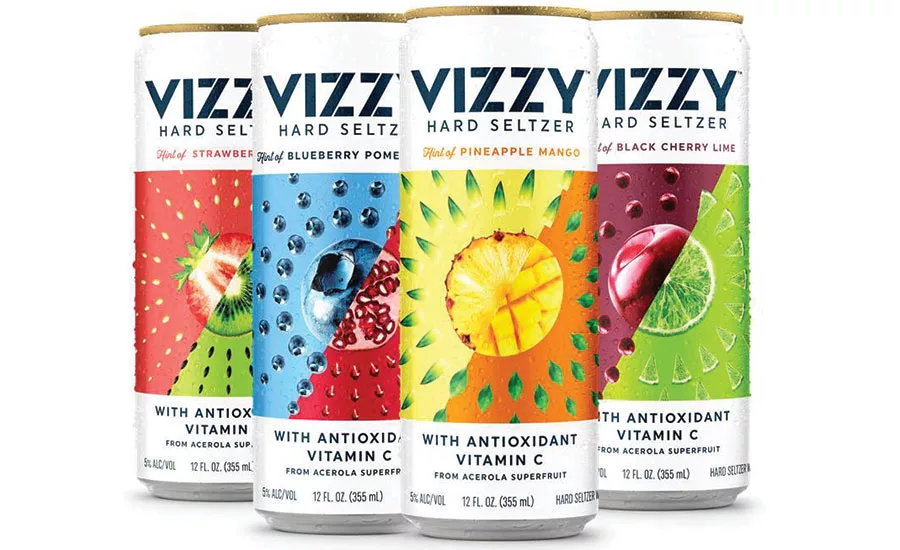
MillerCoors is investing millions in Vizzy, the first hard seltzer made with acerola cherry, the superfruit high in the antioxidant vitamin C.
PHOTO COURTESY OF: MOLSON COORS BEVERAGE CO. (WWW.MOLSONCOORS.COM)
The adage, “let thy food be thy medicine,” may be more than 2,000 years old, but the concept has been gradually impacting the beverage industry during the last decade.
Health and wellness continues to be a catalyst for innovation, but what that term means for consumers is a moving target and is impacted by a multitude of factors such as individual need states, age, and socioeconomic status. The ambiguity of the concept creates a lot of opportunity for brands (as well as some confusion) when it comes to creating new products that will resonate with consumers and have market staying power.
The good news is that there are commonalities in what many consumers want from products to help them achieve this ever-changing goal of “health and wellness.” In part, consumers are looking for improved energy, mood and performance.
Brands have taken many different avenues to deliver health benefits in beverages—ranging from incorporating nutrient-rich superfoods to novel ingredients deep-rooted in ancient wisdom. Innovations in better-for-you beverages are centered around nutrient density, incorporating more health-forward ingredients into a single product, introducing nutritious and functional ingredients into new categories and reducing or removing ingredients perceived as harmful.
Another tactic brands use to delight and excite consumers is to create enjoyable sensory experiences through exotic flavors, unique textures, and vibrant colors.
Health Benefits Abound
During the past few years there’s been ample exploration of novel ingredients to deliver a multitude of health benefits, and while there’s plenty of interest in ingredients such as CBD, adaptogens, and nootropics, consumers also look for nutrient-packed products high in vitamins, minerals, antioxidants, healthy fats, protein and fiber.
It’s already clear that brands are addressing the desire for nutrient-rich beverages through fortification and by including nutrient-dense ingredients including fruits, vegetables, and botanicals.
DHA omega-3 is expected to be the rising star of nutrient-rich beverages because of its many suggested health benefits. These include their reported ability to (1) promote healthy brain development during pregnancy and early childhood, (2) decrease mental decline associated with aging, (3) improve eye health, (4) alleviate symptoms of depression and anxiety, (5) reduce risk factors of heart disease, and (6) fight long-term inflammation.
Horizon Organic Milk, now part of Danone North America, was one of the first brands to incorporate DHA omega-3 into a beverage more than 10 years ago. More recently, Horizon Organic brand owners even saw an opportunity to expand the product line because of consumers’ growing interest in healthy cognition.
Last year, Horizon Organic Milk launched the Growing Years line, targeted at parents with children under the age of five, which contains DHA omega-3, choline and prebiotics. In January, Silk, which also is owned by Danone, launched a dairy alternative milk enhanced with DHA omega-3 and calcium as well.
DHA omega-3 enhanced beverages aren’t limited to dairy and dairy alternatives, though. Coca-Cola recently launched Gomega 3, one of the few fruit-forward beverages with DHA omega-3s that the brand has dubbed a “superfusion” drink.
Another nutrient in the spotlight is dietary fiber and most Americans don’t consume enough according to data from the University of California San Francisco. Since awareness about the advantages of a healthy microbiome for overall health has increased significantly in the last decade, brands are incorporating fibers such as prebiotics into beverages and calling out fiber content on front product labels.
Brands like Gutzy Organic and Karuna utilize fiber-rich fruits and botanicals such as kiwis, dates and dandelion roots. Another up-and-coming fiber-rich ingredient is inulin, a prebiotic fiber sourced from soluble corn fiber or chicory root. In addition to its fiber content, inulin can add sweetness, which makes it appealing to brands who want to create a low sugar product and have a fiber claim. The latest launch by Naked Juice, Tropical Guava, calls out 9g of fiber on the front label, which is derived from several inherently fibrous fruit concentrates and chicory root.
One of the most interesting innovations in better-for-you beverages comes from the alcohol category because it is not typically associated with health and wellness. A handful of brands that play in this category have incorporated healthful ingredients including vitamins, minerals, antioxidant-rich fruit and vegetable juices, probiotics, and turmeric.
Last year saw MillerCoors announce a March 2020 launch for Vizzy Hard Seltzer, which will contain vitamin C from acerola berry. This January, Breckenridge Brewery launched a seasonal, electrolyte-enhanced low-
alcohol beer that contains antioxidant-rich blueberries and acai—all for consumers who want to imbibe and have a healthy start to the new year.
Hard kombucha is another better-for-you alcohol option that is widely available in the west coast and is expected to become more prominent on grocery shelves nationwide. There are several ready-to-drink (RTD) hard kombuchas on the market including June Shine, Wild Tonic, Kombrewcha, Kyla Hard Kombucha and Booch Craft.
Similarly, some brands are choosing an even more health-forward route by creating beverages that can be enjoyed like alcohol—but are zero proof. Health-conscious millennials who are “sober curious” are driving the proliferation of zero-proof spirits and high-end mocktails from such new brands as Ritual, Curious Elixirs, and Shrub-bucha.
Another emerging trend in CPG beverages is the use of several ingredients for multiple benefits in one product or a combination designed to help consumers fulfill a specific goal for an all-in-one “super beverage.” Hybrid energy drinks enhanced with popular sports nutrition ingredients are becoming especially prevalent and subsequently are receiving ample shelf space.
Creatine-enhanced Bang (Bang Energy), 7-Eleven’s creatine and electrolyte-enhanced Quake, and Monster Energy’s BCAA-enhanced Reign are examples of energy drinks that incorporate ingredients popular in sports nutrition products targeted at active consumers.
Synbiotic beverages (combining probiotics and prebiotics) is another trend to watch. The combination of the two ingredients is suggested to improve survival and activity of beneficial microorganisms in the gut, which may improve overall digestion. This dynamic ingredient duo is found in products such as GoLive, from Mass Probiotic Inc.; and Wonder Drink Kombucha, from Pure Steeps Beverage LLC.
Other types of hybrid beverages combine functional ingredients that might not be innately related but fit well with the product type and address numerous need states of the target consumer. Combinations might include ingredients such as caffeine, vitamins, minerals, probiotics, adaptogens and protein. Examples include Bing Z caffeine and ginseng-enhanced kombucha energy drink; High Brew protein coffee; and Ocean Spray’s Brew, a cold brew coffee and real fruit juice blend.
Less is More
While consumers want more in terms of nutrients and benefits from their beverages, there are other product attributes or ingredients that they are limiting—or cutting out completely. Consumers are seeking products that are low sugar, dairy-free, produced sustainably and have short and understandable ingredient statements.
Sugar reduction or replacement is a top priority for beverage manufacturers, but also a challenge because consumers’ sweetener preferences are a moving target. Some brands are addressing diverse consumer needs by introducing products with varying amounts of sugar—such as zero sugar, low sugar, and full sugar.
This trend is especially prevalent in the smoothie category. Odwalla (part of Coca-Cola) added a line of zero sugar smoothies to its portfolio last year. PepsiCo’s Naked Juice also launched a line extension with smoothie options that have 50% less sugar in 2019; and Bolthouse Farms (now privately owned by Butterfly Equity) recently rebranded its reduced sugar smoothie offerings. Other products with full sugar and zero sugar options include Coca-Cola Energy, Honest Cold Brew Coffee, and Minute Maid juices.
Consumers also show lots of interest in plant-based products, so brands are adding dairy alternative beverages to their product portfolio. Oat milk is the latest “it” dairy alternative and a plethora of brands launched their own version of the product or used it in a product during the last year.
Expanding their lines to include oat milk were brands as diverse as Elmhurst, from Elmhurst Milked LLC; Nesquik GoodNes, from Nestlé; and Chobani. Still more RTD brands with new oat milk varieties include those from Chameleon Cold Brew (also part of Nestlé), La Colombe Coffee Roasters, and Pop & Bottle.
Part of the reason dairy alternatives are experiencing so much success is because they are considered more sustainable than their animal-based counterparts. Oat milk is one of the most sustainable dairy alternatives because it requires significantly less water to produce than many other ingredients used to make plant-based milks.
In addition to offering more sustainable options like dairy alternatives, brands are making efforts to reduce waste and environmental degradation by creating a circular economy. That is, brands are exploring opportunities to launch products that use upcycled and locally sourced ingredients and have strawless lids, compostable packaging and less packaging material overall.
Rebbl, Riff Cold Brew, and Harmless Harvest are a few brands that have pledged to source ingredients ethically and sustainably. Riff also shares a mission with brands such as Xoca and Genius Juice, which have also made upcycled ingredients part of their business strategy.
Sensory Appeal
More consumers are valuing a beverage “experience” so brands are using sensory elements including flavors, textures and colors to make new products unique, exciting and enjoyable. Botanical flavors are flourishing because they add sophistication and nuance to the taste experience. Floral, herb, and spice flavors are primarily employed in combination with familiar true-to-fruit flavors. Common combinations include blood orange hibiscus, raspberry rose, and watermelon mint.
Another growing trend involves global flavors fusions that combine familiar true-to-fruit or indulgent flavors with flavors popular in from Latin American and Asian countries. These combinations introduce consumers to exotic flavors and provide a more adventurous sensory experience. Strawberry guava, mango passionfruit and lemon yuzu are flavors to watch.
Flavors that trigger pleasant feelings of nostalgia have become mainstream in coffee, protein and indulgent beverages. These flavors may even be mood-boosting, so the popularity of nostalgic flavors is expected to continue growing. Up-and-coming nostalgic flavors are inspired by baked goods, breakfast fare, and candy. Increasing in popularity are varieties such as birthday cake, cereal milk, and s’mores.
Exciting textures are another way to add complexity to beverages. Consumers are thirsty for bubbly and creamy textures and some are even exploring seemingly “chewable” beverages like Mamma Chia. Sparkling water continues to be a popular choice for consumers who enjoy carbonation but want a healthier option than soda. Many brands in the tea category also are using bubbles to differentiate their products and improve the beverage experience. Teatulia, Sound, and Teavana are just a few of the brands with new sparkling teas.
There’s also been significant interest in nitrogen infusion, because it creates a creamy finish, elevates the flavor profile and emulates sweetness without adding calories. Nitrogen infusions are especially popular in coffee products but are starting to enter other categories. Califia Farms launched a nitrogen-infused oat milk latte late last year and La Colombe introduced a draft chocolate milk this January.
The most Instagrammable sensory attribute brands are exploring is incorporating vibrant colors into products. Ingredients with bold colors like blue majik (derived from spirulina), turmeric, beet, matcha, and butterfly pea flower are being used to create visually appealing beverages.
This is still an emerging trend in CPG products, but there are a handful of products on the market that utilize color to stand out like Remedy Organics’ Blue Oxidants smoothie, Honey Drop Galaxy lemonade, and Zico Turn Up the Beat Coco-lixir.
Consumers are becoming more intentional and want “clean label” products that are nutrient-dense. At the same time, they want those same beverages to satisfy taste, texture and cost expectations. It’s a very interesting time for the beverage industry because trends are rapidly evolving, and brands need to be able to respond quickly to keep consumers engaged.
So what’s the “Holy Grail” for a successful beverage in 2020? Think premium products that are chock full of health benefits, that are adventurous yet familiar, and that are still affordable for the masses.
Holly McHugh is a marketing associate at Imbibe. Imbibe, Niles, Ill., is a beverage development company focused on the formulation, customization and commercialization of cutting-edge beverage products. Visit www.imbibeinc.com to learn more.
Looking for a reprint of this article?
From high-res PDFs to custom plaques, order your copy today!


