Future Flavors with Added Sugars
The force driving the trends in sweeteners is not in the ingredients’ ability to reduce calories but in their ability to do so without tasting strange

New guidelines will be changing the face of sweetener technology.
SOURCE: ARCHER DANIELS MIDLAND (WWW.ADM.COM)
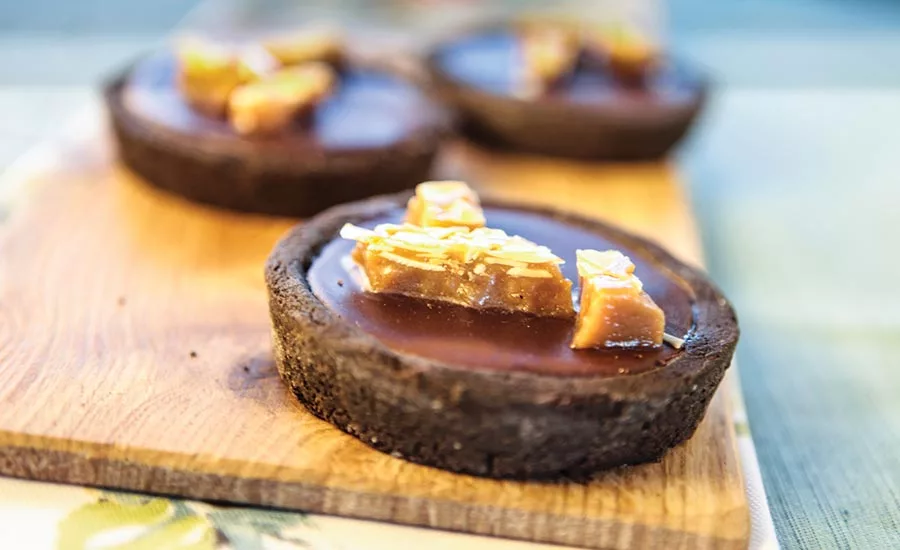
Added sugars contribute functionalities such as creaming, tenderness, leavening control, and caramelization to baked goods.
SOURCE: Ratio Bakeshop LLC (www.ratiobakeshop.com)
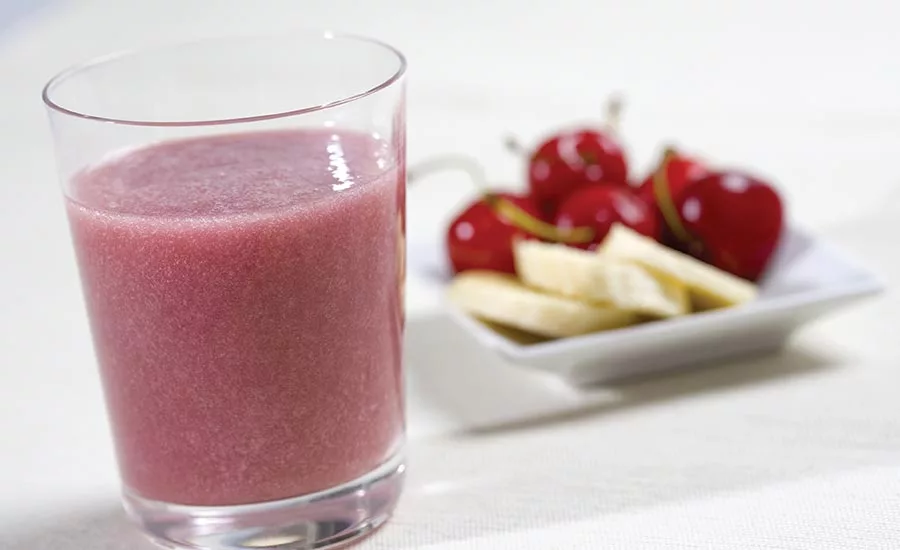
Helping drive sweetener trends is the ability to lower calories while tasting like sugar.
SOURCE: Ratio Bakeshop LLC (www.ratiobakeshop.com)
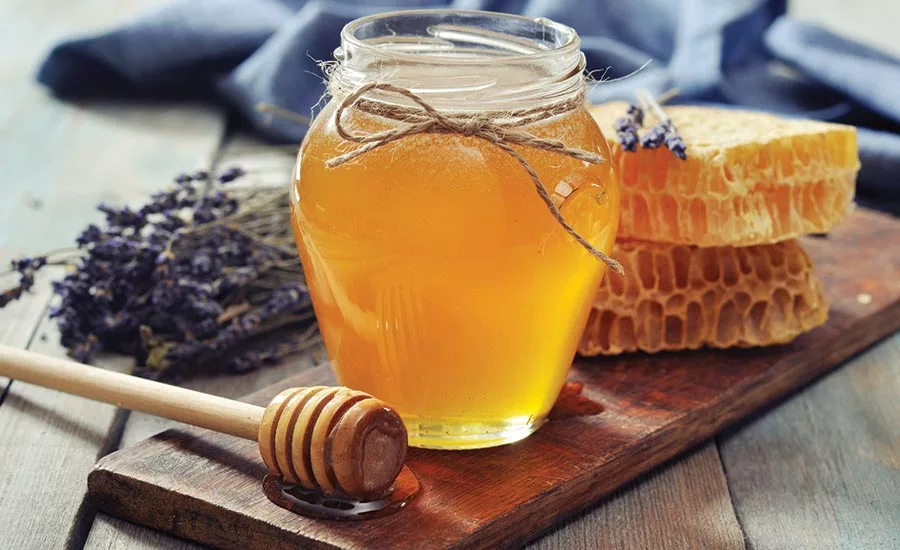
Liquid sweeteners have flavor and texture benefits that open doors to greater creativity in product development.
SOURCE: National Honey Board (www.honey.com)
A cohort study just released in the journal Obesity reported a decrease in the amount of sugary beverages Americans drink. In the decade between 2003 and 2014, the percentage of kids enjoying a daily sugar- or similarly calorically sweetened beverage fell from nearly 80% to under 61%, and the number of adults doing the same fell from almost 62% down to 50%. The decline was due in great part to the use of non-sugar-sweetened beverages.
But these replacement beverages would not have worked if they could not meet the flavor demands of consumers. The force driving the trends in sweeteners is not in the ingredients’ ability to reduce calories but in their ability to do so without tasting strange.
Questions remain as to whether added sugars actually cause conditions such as obesity or heart disease and conclusive evidence is lacking to prove that added sugar alone should be the “sweetness scapegoat” in our society.
USDA data show the American diet has increased by an average of 452 calories since 1970 and table sugar makes up only an average of 35 of these calories. Meanwhile, activity has plummeted and obesity has skyrocketed.
Yet the spotlight is expected to remains on added sugars. For product developers, added sugars contribute physical and chemical functionality such as creaming, tenderness, leavening control, and caramelization to baked goods, as well as preservation and color retention to fruit processing. Liquid sugars, such as inverts, also control crystallization and contribute to moisture retention in processing.
On the other side of the “what’s hot in sweet” coin, the shift away from demonization of sugar is bringing more rational thinking into its use as a sweetener. Strategies range from taking a “less is more” approach either through reformulation or using ingredient formats such as the recently released microcrystalline form of sucrose that delivers the same sweetness at reductions of about 40%.
More “bang for the sugar buck” can also come from the flavor benefits of using more raw forms of sugar. One big caloric sweetener trend to watch in the coming year is a leap in the use of the full spectrum of sugar available. For processors making formulations that do not call for crystal clarity or whiteness can save money by using less-refined sugars ranging from brown to gold and also benefit from the positive taste differences these forms of sucrose can bring.
Total vs. Added
The elephant in the room for caloric sweeteners will be the heightened awareness of the difference between “total sugars” and “added sugars” when these items become delineated on the impending new Nutrition Facts Panel. Initially, these new WHO- and FDA-directed guidelines will likely cause confusion. Many consumers still do not understand that lactose is a naturally-occurring sugar and honey is an added sugar.
The emphasis on “added sugars” is often on sucrose (“table sugar”) but the list of what actually constitutes added sugars is much longer and includes granulated and powdered whites and browns of every crystal size and shape, as well as syrups, nectars, and honey.
This emerging trend in sugars will also benefit from growing consumer interest in globalization and customization. Specific forms to look for in the offing include Colombian panela/piloncillo, Portuguese rapadura, light and dark muscovados from Africa and the Philippines, as well as Barbados brown sugars, and all types of “raw” sugars, such as demerara and turbinado.
Beyond cane and beet sources, the expanding interest in coconut sugar should also continue to enjoy its ride on the “health halo” of coconut. Marketing can use such sweeteners to balance the calls for moderation with the “romance” of “boutique” sugars in products and recipes, stimulating appeal and creating differentiation on packaging and menus, instead of trying to be reactive to fear and demonization resulting from label-disclosed added sugars.
Consumers are looking for ingredients on the food label that sound clean and natural such as organic cane sugar, brown rice syrup, and the aforementioned coconut sugar. Although removing these does “clean up” the ingredient list, in the end all of these are counted as added sugar on the nutrition label.
Intrinsic Solutions
While juice concentrates can also be defined as added sugars in certain applications, this is not the case for intrinsic sugars (those found in intact fruit). There is no limit on intrinsic sugars and they do not show up as added sugar on the food label.
One of the best solutions to answer reducing added sugar in a number of prepared food formulations can be to replace it with fruit purées that will be considered intrinsic sugar. These not only clean up the ingredient label, they increase the nutrient value of the food. Fruit purée can increase the nutritional content of potassium, fiber, vitamin A and C, folate and phytochemicals in foods.
Bridging the natural caloric sweeteners with zero-calorie high-intensity sweeteners (both natural and artificial) is what promises to be the biggest break-out sweetener trend in the coming year, allulose.
Allulose is a monosaccharide chemical cousin to glucose and fructose, the components of sucrose. It registers as about three-fourths as sweet as sucrose and has a number of advantages over other low calorie sweeteners. It doesn’t cause a glucose spike after consumption, yet because it is digested and absorbed it does not remain in the intestinal tract causing osmotic gastric disturbances as do some low-calorie sweeteners, such as certain sugar alcohols (polyols).
Once it is digested it is so poorly metabolized, it results in very few calories. It also provides product bulking and texture similar to sucrose that is not found with many non-calorie sweeteners, such as stevia and sucralose. Most important, the flavor is nearly identical to sucrose. Allulose has been known for years, but it was only in the last year that it became an economically competitive sweetener, with a price point near or below that of the common polyol erythritol.
High Intensity
Many manufacturers have aggressively been working to reduce that added sugars number in anticipation of the proposed labeling mandate by developing the next generation of natural high-intensity sweeteners (HIS), especially stevia and monk fruit. One recent example is the steviol glycoside (stevioside) called rebaudioside-M, or “reb M.” This isomeric form of stevia has the capacity to deliver significantly less bitterness and aftertaste than the conventional reb-A stevia sweeteners.
Recently entering this naturally derived HIS arena is an ingredient, rubusoside, extracted from the leaves of a type of raspberry plant. The plant contains multiple natural sweeteners called suaviosides that are molecularly similar to steviosides, the powerful sweet compounds in stevia, and mogrosides, those from monk fruit. Moreover, rubusoside actually can be derived from stevioside. It has been shown to have less of an aftertaste than stevia.
With the ability to be (carefully) marketed as raspberry leaf sweetener, coupled with a purportedly “cleaner” flavor, rubusoside has the potential to make a big imprint in the coming year. It received GRAS status a few years ago and recently became more widely available.
Although there are many high intensity sweetening options vying for their place in an ingredient deck these days, the focus increasingly seems to be on meeting consumer demand for “natural ingredients” that will make up a “clean label”. The underlying issue here still, is the murky road these two characters travel together, as we wait for the FDA to issue a firm definition of “natural” and “clean label” continues to be subject to a myriad of consumer interpretations.
Alexa Bosshardt, RDN, is a research chef, instructor, and sweetener expert. She can be reached at alexa.bosshardt@asr-group.com.
Jim Painter, PhD, is a professor at Eastern Illinois University and an adjunct professor at the University of Texas, Houston. Dr. Painter can be reached through www.drjimpainter.com.
Originally appeared in the December, 2017 issue of Prepared Foods as Hello, Sweetness.
How Sweet it Is
The 2015-2020 Dietary Guidelines for Americans recommend limiting added sugars to 10% or less of total calories consumed per day. This breaks down to no more than 200 sugar calories—50g—per 2000 total daily calories. That’s about 12½ teaspoons of granulated sugar daily, from all sources.
Slick & Sweet
Aside from the added vs. total sugars concern, processors are taking a closer look at a source of sweetness that can fit clean-label, better-for-you, and “natural” parameters that consumers seek: syrups. Honey, molasses, and liquid sweeteners from sources as varied as malted barley and wheat, sorghum and rice, maple, date, fig, yacón and raisins, grapes and other fruits, are starting to contend with granulated sweeteners in formulations. Since each has its own unique flavor profile and subtleties, as well as viscosity and color, product developers are able to manipulate multiple parameters within a food or beverage, bringing extra levels of creativity to product development.
From a health standpoint, while honey, molasses, and syrups still count as sugar and are virtually identical calorically, they have a distinctive health halo. Most are rich in minerals, including potassium, selenium—the only dietary mineral that functions as an antioxidant—Molasses, for example, can boast high levels of bioavailable iron. Malt syrup brings riboflavin, niacin, vitamin B6, and folate to the table.
In formulations, especially baked items, honey, molasses, and syrups often have distinct advantages. For example honey is sweeter than sugar, allowing for reduced amounts, and has a low pH (high acid) level that inhibits mold growth and acts as an antimicrobial in some circumstances. Most liquid sweeteners help baked goods brown more evenly and they can enhance the flavors of costly spices such as nutmeg, cinnamon, and clove.
As a trend within a trend, powdered versions of these sweeteners are helping processors apply them more widely in product development, while allowing for more consumer-friendly labeling.
Fruit syrups are more suited to savory formulations, sauces, and condiments. Fig, date, and raisin syrups are examples that are enjoying increased usage as culinary trends based in Mediterranean, North African, and Middle Eastern cuisines continue their upward trend.
Looking for a reprint of this article?
From high-res PDFs to custom plaques, order your copy today!


