Inclusions Bring On the Taste, Texture to Food Formulations
Product makers and foodservice companies are finding consumer interest is readily piqued by the addition of inclusions
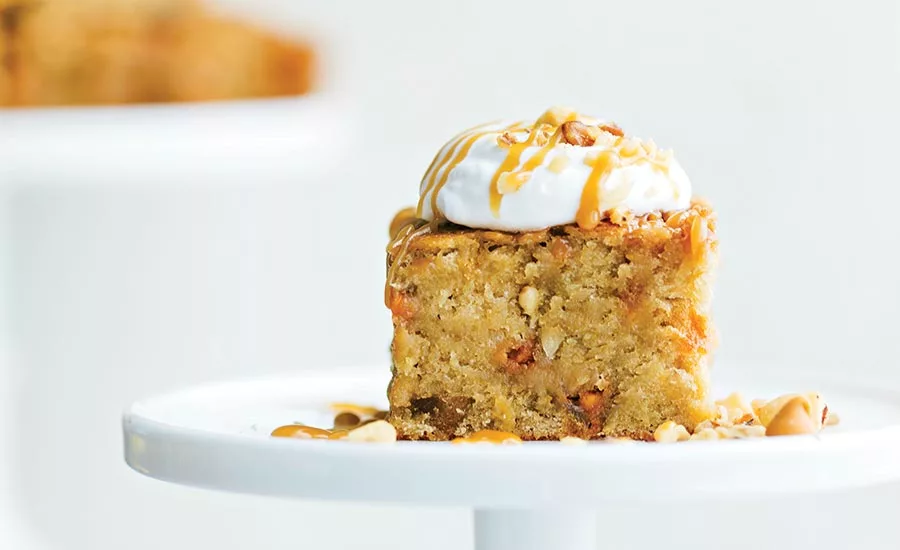
Nuts are among the most popular inclusions, prized for adding not only flavor and texture but healthful components as well.
PHOTO COURTESY OF: California Walnuts (www.walnuts.org)
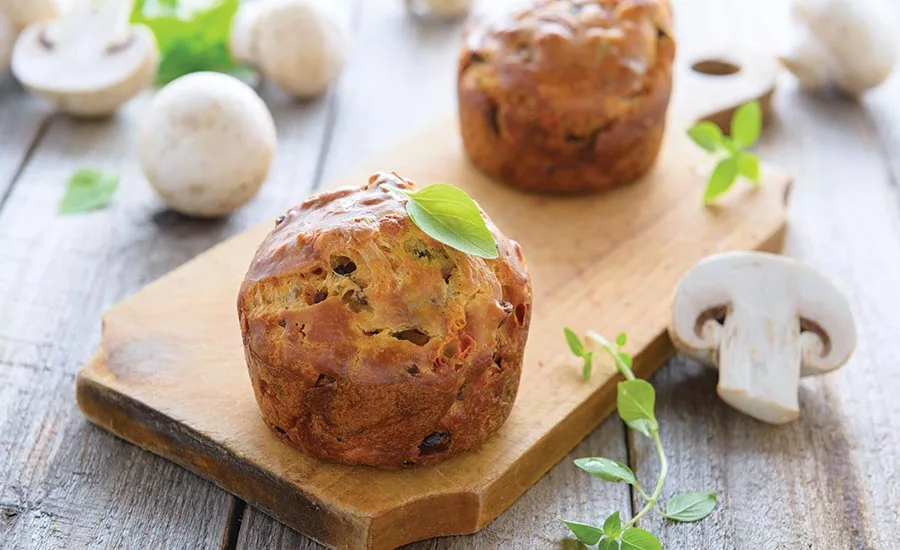
Savory vegetarian items can include fresh or dried mushroom pieces to add meaty flavors and textures.
PHOTO COURTESY OF: Phillips Gourmet Inc. (www.phillipsgourmet.com)
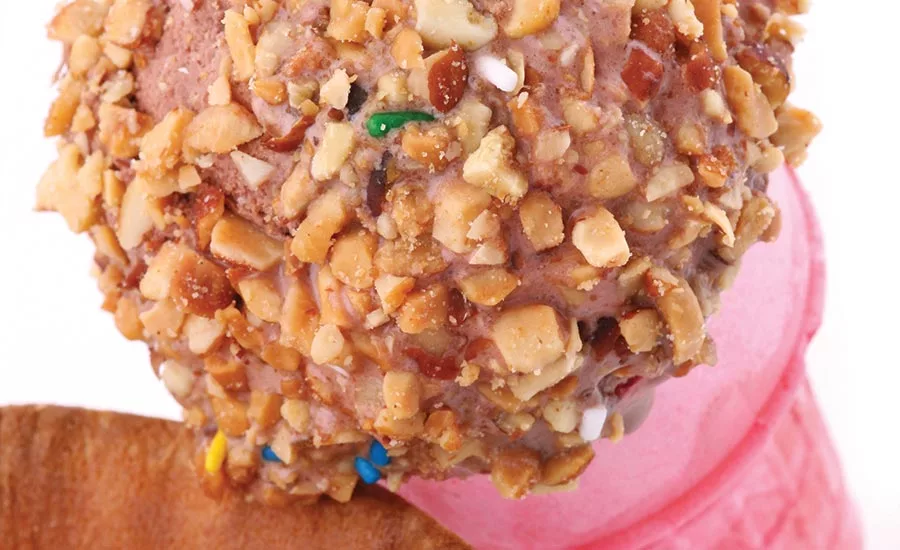
Ingredient technologists are meeting the needs of developers of “free from” products with increasingly sophisticated nut analogs that mimic flavor, texture, and performance of peanuts and tree nuts.
PHOTO COURTESY OF: Inclusion Technologies LLC. (www.inclusiontech.com)

Cookie inclusions have been popular of late, but the challenge is ensuring they stay crunchy in formulation.
PHOTO COURTESY OF: Parker Products Inc. (www.parkerproducts.com)
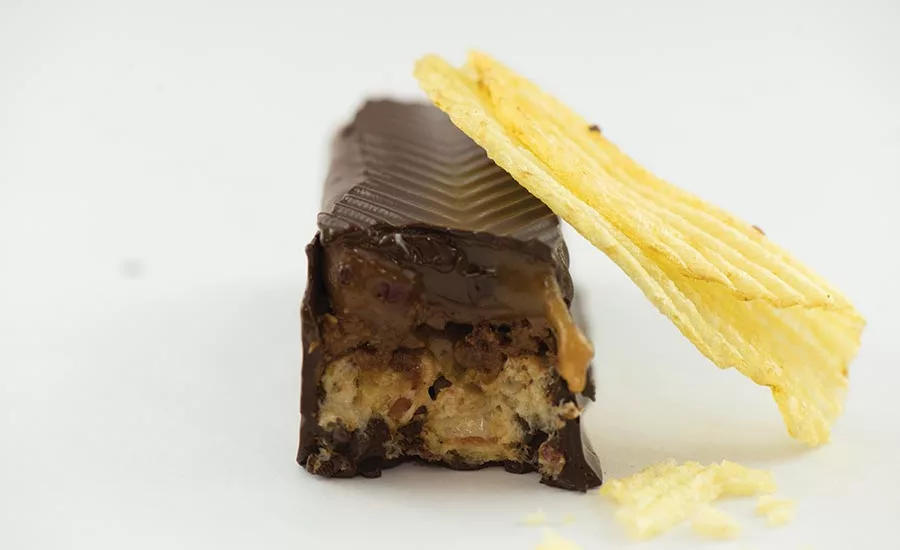
Hitting the trend of mixing salty and sweet is easily accomplished with such interesting inclusions as bacon and potato chip pieces folded into chocolate bars and similar confections.
PHOTO COURTESY OF: Mayana Chocolate LLC (www.mayanachocolate.com)
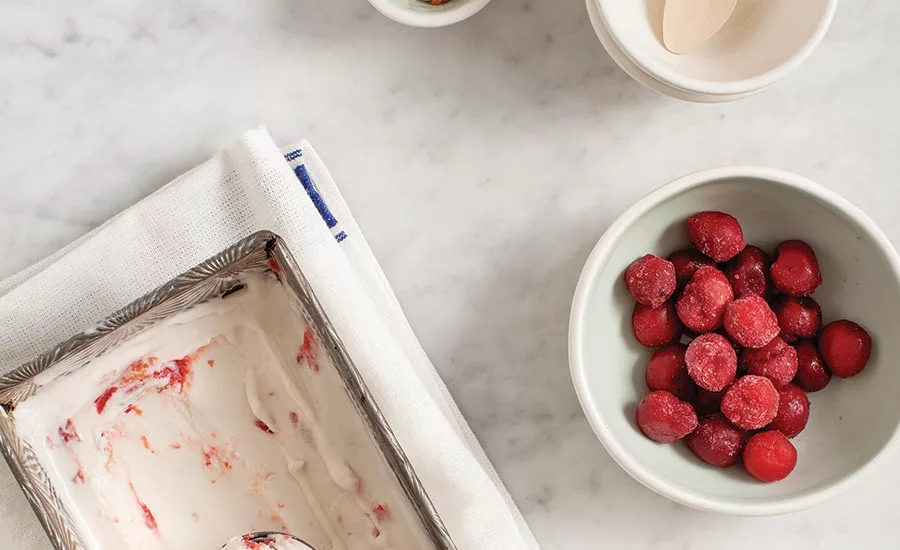
Prepping fruit inclusions to avoid air pockets, sinking, color bleed or flavor issues can be as simple as lightly tossing them with sugar or starch.
PHOTO COURTESY OF: The Cherry Marketing Institute (www.choosecherries.com)
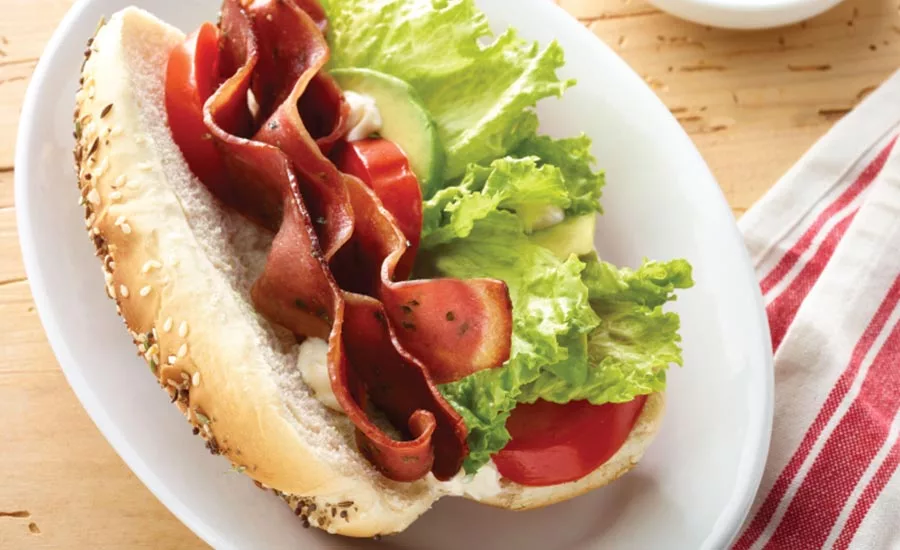
The “bacon in everything, even confections” trend was turned on its head with the recent launch of turkey bacon studded with bits of dried blueberries.
PHOTO COURTESY OF: Hormel Food Corp./Jennie-O Products (www.hormelfoods.com)
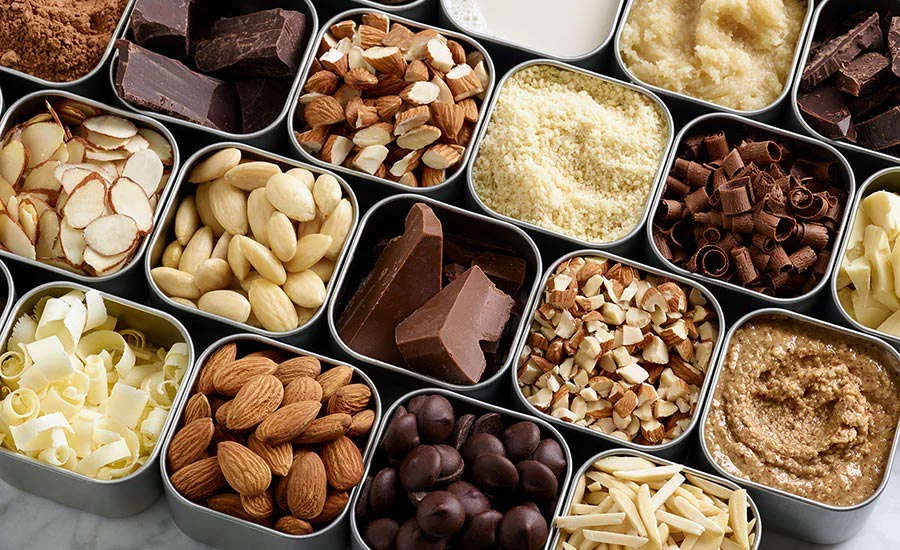
Nuts, such as almonds, pair with chocolate as one of the most favored inclusion combos.
PHOTO COURTESY OF: Leo Gong / Almond Board of California (www.almonds.com)
Call them bits, pieces, inclusions, mix-ins, or add-ins, inclusions bring both flavor and textural elements to foods. Color, too, can make it to the show by way of inclusions. Trends such as candy confetti in cake batter and edible glitter in frosting take celebration cakes to the next level. Fruit and nut pieces can be called in to add yet a fourth role for inclusions by raising a product’s health profile.
Product makers and foodservice companies are finding consumer interest is readily piqued by the addition of inclusions—so much so that beverages are featuring them with greater regularity. Examples: chia seeds or basil seeds in juice, or the increasingly popular crossover smoothie bowls.
In the world of inclusions, consumers seem driven by a handful of attributes. “There are several trends currently taking place in inclusions, from more premium solutions to those that offer health and wellness properties,” says Laura Bergan, director of innovation for Barry Callebaut AG. “On the one hand, the market is demanding more premium inclusions, which [when it comes to chocolate chips or chunks] can involve anything from simply ensuring real chocolate is used to offering a higher cacao chocolate to give a more robust and premium chocolate flavor.”
Chunks are still very popular, but they’re getting, well, “chunkier.” The trend is leaning heavily toward more “rustic,” less uniform chunks. “These irregular chunks offer a more artistic and homemade look to the products using them, and consumers are appreciating the hand-made feel to the inclusions,” says Bergan.
Other trends Bergan points to include new colors and flavors in inclusions that allow food companies to feature seasonal or limited-time offerings. “[The goal is] to ultimately maintain excitement with consumers,” she says.
Inclusions Plus
Filled inclusions that offer multiple textures and levels of creaminess to the consumer also are trending up, according to Bergan. Such complex multi-flavored and textured inclusions add excitement and diversification to the portfolio in items such as baked goods, confections, and ice cream or other
frozen treats.
“From a health and wellness perspective, there also are market demands to offer inclusions with healthier features, such as reduced- or no-sugar options,” adds Bergan. “Gluten- or dairy-free add-ins, or protein or fiber boosts—all of these are quite popular within key market segments, such as nutrition and snack bars, cereals, and even otherwise indulgent treats.”
Valerie Benoit, Callebaut’s innovation R&D project manager says she’s “most excited about inclusions that offer visual appeal to consumers.” She cites colored inclusions or brighter versions of more traditional inclusions.
“Texture is a major factor in offering more multisensorial experiences for the consumer’s eating experiences,” says Bergan. “Chocolate chips and chunks have been the mainstays and among the most popular inclusions when it comes to baked goods. Other plays on texture have elevated to filled chips and chunks, where the consumer gets that indulgent chocolate experience but with the second texture of a filling inside the inclusion.”
These innovations in confection found their way into other categories where inclusion manufacturers are offering enrobed and coated inclusions containing everything from cheese to herbs to barbecue sauce. Inclusion innovators have bits and pieces of naturally and artificially flavored origin that have been specially formulated for a wide variety of applications, thus making the search for the perfect flavor or texture bomb a reasonably simple task.
With health and wellness being such key consumer interests, inclusions can offer the opportunity to boost the nutritional profile of a product. “So many market segments are gravitating towards healthier lifestyles and healthier inclusions fit those consumer demands,” says Benoit. These healthier inclusions most likely would be used in healthier market segments such as snack/protein bars or cereals, or in some ice cream applications.
Unexpected Add-ins
“Based on available research, Millennials are proactively pursuing a healthy lifestyle, including mindful eating,” contributes Jeff Dierenfeld, product development manager for Hormel Foods Corp.’s Jennie-O brand. “Millennials also are willing to shake up their routine and are open to new ideas.”
Dierenfeld describes how his R&D, operations, and marketing teams use this knowledge to develop fresh, flavored turkey products with inclusions and in formats that Millennial consumers not only are comfortable using, but that “provide inspiration for fun, flavorful meals.”
The Jennie-O team determined that sometimes inclusion innovation can involve simply updating an old standard. “[We] find that consumers want healthy but familiar products and flavors,” says Dierenfeld. Building on that paradigm, Jennie-O created a “turkey twist on the classic bacon and cheddar burger” that infuses cheddar cheese bits and crispy turkey bacon crumbles.
Jennie-O also launched turkey bacon strips incorporating bits of jalapeño pepper to meet the growing consumer demand for spicy foods, and a turkey bacon product with bits of dried blueberries that deliver not only a sweet-savory kick but a health halo as well.
From Fruits to Nuts
Vegetables, fruits, and nuts have long been recognized as healthful ingredients that also add visual, textural, and flavorful interest to foods. Moreover, fruit bits can add sweetness without the need for sugar or other sweeteners.
Fifth Taste, Fifth Benefit
While inclusions are used to add flavor, texture, color, and nutrition, one ingredient can add a fifth function. Mushrooms impart umami—the so-called “fifth flavor”—to a formulation, a meaty savoriness perfectly suited to vegetarian and vegan products. Chopped and sliced mushrooms also are common additions to such products as meat pies, sauces, and soups. When diced and dried, then incorporated into a filling, for example, they absorb moisture and help bind the other bits and pieces.
Dried “superfruits” such as blueberries can bring all the organoleptic wins a developer needs, while also giving the consumer an easily recognizable ingredient to boost nutrition. According to Thomas Payne, industry specialist for the US Highbush Blueberry Council, manufacturers understand that using blueberries and blueberry formats in lieu of sugar offers the dual advantage of sweetening the product naturally and the ability to market the product’s nutritional benefits. “Blueberries in the ingredient statement say ‘wholesome’ and ‘natural’ in a way that consumers understand,” Payne emphasizes.
Nuts another “superfood,” contribute a significant source of plant-based protein as well as their characteristic crunch and color. Almonds make great additions to everything from baked goods to oatmeal to smoothies, contributing an array of health benefits.
“Almonds’ superfood reputation can be attributed to more than their heart-healthy qualities,” states Stephanie Doan, senior food scientist for Blue Diamond Growers. “They also are a versatile ingredient, with applications ranging from dairy to confectionery. Almonds, whether whole, sliced, or chopped, offer important nutrition and conform to consumers’ and manufacturers’ interest in natural, plant-based ingredient solutions.”
Doan adds that almonds and almond ingredients deliver added texture, flavor, and nutrients as an inclusion in gluten-free baked goods and snacks. “They also are a great source of plant-based protein. Almond inclusions can elevate the nutritional makeup of energy and nutrition bars,” she says.
Choosing the right size nut piece is important to the final outcome of the product. “All food formulations are a delicate balance of moisture, pH, and particle size,” adds Doan. “For a thinner batter, choosing a smaller particle will ensure the inclusion stays suspended.”
Walnuts have a strong health reputation among nuts as well. High in ALA (alpha-linolenic acid) plant omega 3 oils, they have a softer and smoother texture than most other tree nuts. Walnuts also are quite high in antioxidants, with around twice the antioxidant content per gram as many other nuts. Another benefit to walnuts is their particularly high vitamin E content. And as a bonus, because their healthful lipid profile is familiar to consumers, they have a highly marketable “good for you” halo.
Hazelnuts are having their day in the inclusionary sun, with good reason. American consumers already love them in the classic Italian combination of gianduja—roasted hazelnuts and chocolate. (Nutella, anyone?) Hazelnuts (sometimes called “filberts”) have some unique properties that make them especially attractive as inclusions. Hazelnuts act as a binding agent, a flavor enhancer, and a nutrition enhancer and have an unmistakable flavor profile that is intensified by light roasting.
The type of roasting method used for nuts is important to a formulation. Oil-roasting brings out a lot of flavor, but dry roasted nut pieces can have better adhesion and suspension capacity and so be less likely to form pockets, or move or settle in the formulation matrix.
Making Inclusions Work
Developers have many decisions and choices to make when considering using inclusion products in their formulas. “Key aspects to keep in mind are price, nutrition profile, and labeling requirements of the end product,” says Benoit. “As an example, many brands require natural, non-GMO status, or organic ingredients or certification, and those are features to ensure are included with your inclusion.”
Pack It In
Part of the pleasure of the inclusion experience is user interaction. It’s one thing to have a manufacturer stir an inclusion into a product in the manufacturing facility. However, if there’s an opportunity to allow the consumer to contribute to the crafting of a product, the eating experience becomes collaborative.
This is where packaging innovation steps in. It can be a highly effective tool in the developer’s arsenal, keeping crunchy ingredients crunchy, colorful additions color-true, and distinct flavors separate until the consumer is ready. And the participation adds a touch of fun.
Through the use of clever package designs such as flip-over cups, and the addition of tray inserts to keep dry ingredients suspended above the wet, cereal and yogurt manufacturers led a considerable amount of innovation in this area. Expect this trend to only grow further as processors and package designers get more creative.
Not every inclusion works in each end product or application, according to Benoit. “The inclusion also needs to meet the appropriate required features. As an example, if the item will be baked, the inclusion needs to be bake-stable,” she points out. “[Since] there cannot be a testing protocol for every product out on the market, a strong partnership between an inclusion ingredient provider and food manufacturer is critical. The ingredient developer can recommend the best options for a food manufacturer to work with and test. If issues arise, this partner can make suggestions to optimize how the inclusion is used or suggest other options.”
Natural types of inclusion products come with processing challenges, however. Working with a real berry as opposed to a berry-flavored bit means finding the perfect version of said berry for your product and then treating it right once you’ve begun your work. The old adage of starting with the end in mind is as true here as it is in any development work. Developers do a lot of research to find the best products to use in their formulas.
Meat products tend to do best with dried or partially dehydrated inclusions. “Inclusions that are dried are typically much easier to handle in our inventory and distribution systems,” says Dierenfeld. “Dried inclusions work better when incorporated into meat formulations, since the dehydrated product is typically less fragile.”
Dierenfeld notes that, with sausage in particular, there is a limit to how much particulate the emulsion can handle before the protein loses its bind. That limit is typically about 30% particulate to 70% meat block.
Mix and cook times, shelflife considerations, and the end-user application all will affect inclusion choice. Dehydrated red pepper left in a mixer with cornbread batter for too long, while resulting in an undeniably tasty product, will produce a homogenous rosy-hued bread instead of a golden-hued bread spiked with vibrant bits of red throughout. Dehydrated colorful fruits can turn a batter gray, as can certain nuts. Sometimes, light coatings of corn or rice starch can help avoid color changes and keep the particulates in place.
Flavors can change during the process as well. Nuts are an example. “The carbohydrate fractions and oils in hazelnuts are different from other nuts and vary according to whether the product is raw or roasted,” says Anna Plaisted, owner of KP’s Harvest Time Products LLC. “Developers may want to consider sampling both to determine how the nut form works at various levels of heat, processing, moisture, and other factors.”
The classic Italian pannetone cake provides a case study for incorporating different inclusions into the same matrix. For pannetone production, manufacturers strive to maintain a proper moisture balance between the candied or dried fruit and other inclusions (such as chocolate or nuts) and the buttery yeast dough that makes up the bulk of this specialty bread.
An inclusion product that is too wet will fall out of the yeast dough, creating pockets in the crumb. Too dry, and the fruit will stay in place it will draw moisture from the surrounding dough leading to hard, rubbery chunks within the crumb.
“We constantly check each ingredient according to our specifications to ensure all ingredients maintain the highest quality standards throughout the process,” says Aline Pinheiro, quality assurance manager and nutritional expert for Florio Produtos Alimentícios Ltda. “This includes fruit and the chocolate. If these additions don’t meet our initial specifications, we know they won’t perform well in our dough.”
The bakery, founded more than 25 years ago in Sao Paulo, Brazil, by Italian immigrants uses a decades-old Italian recipe to create high-quality pannetone. Quality, moisture balance, and ever-so-slightly chewy candied fruits counterbalance the airy heat dough surrounding them.
While many pannetone manufacturers typically toss the candied fruit in sugar, Florio avoids added sugar, not least because it hides the fruit flavor and hints at an inferior product. “We don’t purchase fruit tossed in sugar,” says Pinheiro. “It isn’t necessary with quality dried fruits and it adds an odd texture to the pannetone. Instead, we opt for highly flavored, slightly soft, moist fruits,” she says. “This allows the full fruit flavor to come through.”
Produce by the Bit
To work as inclusions, fruits and vegetables can be incorporated into a formula as fresh, IQF, dried, partially dehydrated, kibbled, or chopped. However, each of these will perform differently in various applications.
Dehydrated and dried produce ingredients mix effortlessly into dry and intermediate-moisture products and store at room temperature, making these items perfect for a snack, cereal, or dry mix producer.
With most fruits, “The year-round availability and versatility of formats offer a significant advantage to food product designers,” says Payne. “High-tech blueberry pieces and other such ingredients work well in rice cakes and bar cookies, while soft, whole berries are easy to incorporate into fillings for toaster pastries and filled breakfast pastries.”
Dried fruits and fruit pieces work well in bread mixes and other dried products, but there are times when fresh or frozen fruits are best. “Frozen IQF blueberries can be used straight from the packaging, without the need to thaw,” explains Payne. “In fact, adding them while still frozen will result in less breakage. And dehydrated whole blueberries can be re-conditioned by placing briefly in warm water for a moist and juicy berry.”
Bacon, nut analogs, exotic seeds, and puffed artisanal grains will continue to join the more mainstream chocolate chips and nuts in enhancing flavor, texture, nutrition, and visual appeal in products. But creative developers will keep upping the ante of product allure with even more interesting bits and pieces to add to the inclusion toolbox.
Originally appeared in the November, 2018 issue of Prepared Foods as Bits & Pieces.
Looking for a reprint of this article?
From high-res PDFs to custom plaques, order your copy today!


