The Alliance to Stop Foodborne Illness has announced five new industry members, expanding its cross-sector effort to prevent foodborne illness and protect consumers. The additions strengthen a growing coalition focused on advancing food safety culture through shared tools, education and collaboration.
From freshness sensors to connected labels, smart packaging is becoming an essential tool for R&D teams. Explore how these innovations improve safety, reduce waste, and drive brand trust.
From M&A and rebrands to research insights and facility expansion, companies are repositioning to meet changing demand, emerging trends and industry pressure
Strategic moves across the food and beverage sector—from testing and dairy-free innovation to new leadership, market research and manufacturing scale-ups—signal where growth is headed next. Developers, retailers and suppliers now face a market reshaped by wellness trends, shifting consumer trust and rising expectations around functionality and speed.
New data reveals Americans trust the safety of the foods they buy more than the overall food system, highlighting an urgent need for better communication
As consumer concern over food safety rises, IFIC’s latest surveys uncover a widening gap between personal confidence in purchased foods and trust in the US food supply. Experts say clearer messaging on ingredient safety and recalls could help rebuild trust.
The company’s 16th Sustainability Report details significant strides toward 2030 climate targets, ingredient traceability, and circular packaging—underscoring Ferrero’s commitment to long-term, responsible growth across its global value chain
Ferrero's latest Sustainability Report highlights continued progress in traceability across its global supply chains, with more than 90% of key ingredients now mapped to origin.
FSIS pulls back proposed classification of certain Salmonella-contaminated poultry as adulterated, citing stakeholder concerns—leaving future regulatory direction uncertain for food safety and process control planning
After reviewing the comments, FSIS decided to withdraw the proposed rule for now. The agency said the feedback raised important questions that need more time and analysis.
Red Dye No. 3 can be found in candy, cakes and cupcakes, gum, cookies, frozen desserts, and frostings and icings. The dye reportedly is known to cause cancer in animals.
The white paper also calls attention to mitigation strategies and highlights research, collaboration, and public health communication needs to better address the issue while also offering insight into how a global, interdisciplinary approach can expedite solutions.
The latest IFIC Spotlight Survey seeks to identify the most pressing food safety concerns for Americans. Survey takers selected microbial concerns, such as the presence of E. coli, and the presence of heavy metals in food as the primary issues of concern.
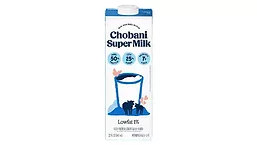
The company will produce an average of 145,000 pounds of Chobani Super Milk monthly to be deployed by the American Red Cross nationally in areas facing natural disasters
Developed to help the American Red Cross and Chobani's local food bank and pantry partners, Chobani Super Milk addresses a critical need by providing access to nutrient-dense, high-protein, low-fat dairy to those who need it most.