A new survey from the International Food Information Council found that consumers are actively engaging with nutrition information and prefer front-of-package labels that provide a balanced view of food and beverage products. The findings come as policymakers continue evaluating front-of-package labeling approaches and suggest shoppers want information about both nutrients to limit and nutrients to encourage when making purchasing decisions.
From freshness sensors to connected labels, smart packaging is becoming an essential tool for R&D teams. Explore how these innovations improve safety, reduce waste, and drive brand trust.
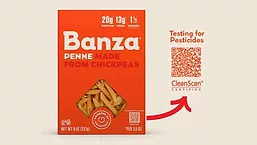
Banza has become one of the first US brands to receive The Detox Project’s CleanScan certification, confirming non-detectable levels of glyphosate and 400+ pesticides across its finished products. New packaging features QR codes linking directly to lab results, raising the bar for safety, sourcing and consumer trust.
New research reveals most North American consumers prioritize taste and affordability over avoiding so-called “bad” ingredients, despite rising media buzz around ultra-processed foods and food additives
While tracking cultural conversations around demonized ingredients is essential, immediate action to remove them from the food supply is not always necessary.
The new Regenerative Purchasing Guides aim to bridge this gap, empowering consumers with transparent and trustworthy information about how their everyday choices impact both personal and planetary health.
With 80% of shoppers feeling no relief from grocery inflation, more are turning to product labels and QR codes to make informed, budget-conscious decisions at the shelf
Making healthy food, personal care products, and fibers available to consumers has always been a key objective for our industry, and Regenerative Organic Certified has taken a significant step to accomplish this goal by getting ROC licensed brands in front of millions of people.
The proposed FOP nutrition label, also referred to as the "Nutrition Info box," provides information on saturated fat, sodium and added sugars content in a simple format showing whether the food has "Low," "Med" or "High" levels of these nutrients.
The brand will roll out the pollinator badge across product packaging, while committing $85k to pollinator conservation efforts
June 14, 2024
Consumers will begin seeing the pollinator-friendly badge on packaging this month, with complete rollout in the coming months varying by retailer and product type.
From kombucha market growth to live culture probiotic labels, food and beverage marketers identify opportunities to connect consumers to products that address immunity
“If your company manufactures yogurt or other cultured dairy products—such as frozen yogurt and kefir—and you are interested in using the LAC Seal on your products, IDFA is now making it easier than ever to obtain the seal for use on product packaging and labels, demonstrating to consumers and other customers that your products contain valuable live and active yogurt cultures,” said John Allan, IDFA vice president of regulatory affairs and administrator of the IDFA’s LAC Seal program. “The LAC Seal is the best way to reach consumers with this unique health and wellness attribute.”