Prepared Foods logo
search
cart
facebook twitter linkedin youtube
  • Sign In
  • Create Account
  • Sign Out
  • My Account
Prepared Foods logo
  • TRENDS
    • Prepared Foods The Year Ahead
    • Innovation Month
    • *Sustainability*
  • PRODUCTS
    • Bakery
    • Beverages
    • Breakfast, Cereals & Bars
    • Candy
    • Cannabis
    • Dairy
    • Meals & Sides
    • Meat, Poultry & Seafood
    • Sauces & Marinades
    • Snacks & Appetizers
    • Soups
  • INGREDIENTS
    • Antioxidants & Nutritionals
    • Colorings
    • Dietary Fiber
    • Emulsifiers, Fat & Oils
    • Flavors, Seasonings, Spices
    • Flours, Grains, & Pasta
    • Fruits, Vegetables and Nuts
    • Gums & Starches
    • Phosphates & Acidulants
    • *Proteins*
    • Sweeteners
  • FORMULATION
    • Allergens & Intolerance
    • Authentic & Ethnic
    • Cost Reduction
    • Fat Reduction
    • Gluten Free
    • *Immunity*
    • *Natural / Organic*
    • *Plant Based & Vegetarian*
    • R&D Lab Tech / QA-QC / Food Safety
    • Shelf Stability
    • *Sugar Reduction*
  • BETTER FOR YOU
    • Functional New Products
    • Functional Ingredients
    • Functional Benefits
  • FOOD MASTER
  • MEDIA
    • Podcasts
    • Videos
    • Infographics
    • First Person Q&A
    • Favorite Products Poll
    • Play With Your Food Game
    • Webinars
  • STORE
  • EVENTS
    • Spirit of Innovation Awards
    • Industry Events
  • EMAG
    • eMagazine
    • Archive Issues
    • Advertise
  • SIGN UP!
Breaking NewsSpecial Nutrition Products

Health Benefits for Postmenopausal Women Who Consume Potassium-Rich Foods

Women's Health Initiative report suggests potassium consumption may lower blood pressure

September 16, 2014

Postmenopausal women who eat foods higher in potassium [such as potatoes; PotatoPro] are less likely to have strokes or to die from any cause than women who eat fewer potassium-rich foods, according to data from the Women's Health Initiative (WHI). The research, led by Albert Einstein College of Medicine of Yeshiva University, was published online in the journal Stroke. 
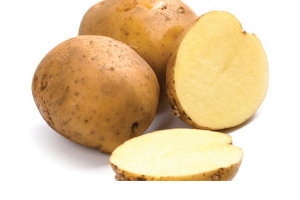
Potatoe

"Previous studies have shown that higher potassium consumption may lower blood pressure. But whether potassium intake could prevent stroke or death wasn't clear," said senior author Sylvia Wassertheil-Smoller, Ph.D., distinguished university professor emerita of epidemiology & population health and principal investigator of the WHI at Einstein.

"Our findings give women another reason to eat their fruits and vegetables. They're good sources of potassium, and potassium not only lowers postmenopausal women's risk of stroke, but also of death."

Researchers studied 90,137 postmenopausal women, ages 50 to 79, for an average of 11 years. They looked at how much potassium the women consumed, as well as if they had strokes, including ischemic and hemorrhagic strokes, or died during the study period. Women in the study were stroke-free at the start and their average dietary potassium intake was 2,611 mg/day—significantly below the U.S. Department of Agriculture (USDA) current recommendation that women (and men) eat at least 4,700 mg of potassium daily. Results of this study are based on potassium from food, not supplements. The researchers found that women who ate the most potassium were 12 percent less likely to suffer stroke in general and 16 percent less likely to suffer an ischemic stroke (i.e., stroke caused by blood clot) than women who ate the least. Additionally, women who ate the most potassium were 10 percent less likely to die from any cause than those who ate the least.

Among women who did not have hypertension (their blood pressure was normal and they were not on any medications for high blood pressure), those who ate the most potassium had a 27 percent lower ischemic stroke risk and 21 percent reduced risk for all stroke types, compared to women who ate the least potassium in their daily diets. Among women with hypertension (their blood pressure was high or they were taking drugs for high blood pressure), those who ate the most potassium had a lower risk of death; but potassium intake did not lower their stroke risk beyond the benefit gained from taking their high-blood pressure drugs.

The results suggest that higher dietary potassium intake may be more beneficial before high blood pressure develops. The study found no evidence of any association between potassium intake and hemorrhagic stroke (i.e., stroke caused by bleeding in the brain), which could be related to the low number of hemorrhagic strokes in the study.

"Only 2.8 percent of women in our study met or exceeded the USDA's recommended intake of 4,700 mg of potassium daily," said Wassertheil-Smoller. "The World Health Organization's daily potassium recommendation for women is lower, at 3,510 mg or more. Still, only 16.6 percent of women we studied met or exceeded that. Our findings suggest that women need to eat more potassium-rich foods. Some foods high in potassium include white and sweet potatoes, leafy green vegetables such as spinach and kale, white beans and bananas. But you won't find high potassium in junk food." The very small minority of people with kidney disease may have too much potassium in their blood, and a diet high in potassium may make the situation worse. (Too much potassium in blood can be dangerous to the heart.) "But for most people," said Dr. Wassertheil-Smoller, "adopting a diet that boosts potassium intake to recommended levels is a good idea and poses virtually no risk of potassium overload." That's because the kidneys normally tightly control how much potassium the body needs and excrete the excess.

The study was observational and included only postmenopausal women. Also, the balance between sodium and potassium intake is potentially important for health, but the study did not examine sodium intake. Researchers said more studies are needed to determine whether potassium has the same effects on men and younger people.

The study is titled "Potassium intake and risk of stroke in hypertensive and non-hypertensive women in the Women's Health Initiative."

The WHI is sponsored by the National Heart, Lung, and Blood Institute (NHLBI) of the National Institutes of Health.

KEYWORDS: women's health

Share This Story

Looking for a reprint of this article?
From high-res PDFs to custom plaques, order your copy today!

Recommended Content

JOIN TODAY
to unlock your recommendations.

Already have an account? Sign In

  • Women in beverge isle

    Ingredient Demonization May Not Drive Consumer Behavior

    While tracking cultural conversations around demonized...
    Breaking News
    By: Prepared Foods Editorial Staff
  • Bubs Candy Packages

    Sweden’s Viral Candy Brand BUBS Lands in US Retail Nationwide

    TikTok videos of BUB's unique chewy-meets-marshmallow...
    Products
    By: Prepared Foods Editorial Staff
  • Innovation Month Logo Orange

    Introducing Innovation Month: A Deep Dive into the Future of Food & Beverage

    The next wave of food innovation is here. Dive into the...
    2025 Food and Beverage Trends
    By: Prepared Foods Editorial Staff
Manage My Account
  • eMagazine Subscription
  • Newsletters
  • Manage My Preferences
  • Online Registration
  • Subscription Customer Service

More Videos

Popular Stories

General Mills US250 Packages

General Mills Launches 79 Limited-Edition Summer Products

Circana Pacesetters 2026

Circana Highlights 2025 CPG Pacesetters

Bushs Baked Beans LTO Flavors

Bush’s Beans Debuts Summer-Inspired Flavors

PF Webinar sponsored by FoodChain: Signals to Shelf: Turning Consumer Insight into Executable Innovation

Events

June 18, 2025

Master the Art of Plant-Based Dairy

ON DEMAND: Whether you're in R&D, formulation, or innovation, this session will provide enzyme-driven insights to improve your plant-based dairy portfolio.

June 25, 2025

Market in Motion: Active Nutrition

ON DEMAND: Once targeted at athletes, active nutrition products with benefits like energy, focus, hydration, and protein are now winning over everyday consumers seeking support for their busy lifestyles.

View All Submit An Event

Products

Recent Advances in Ready-to-Eat Food Technology

Recent Advances in Ready-to-Eat Food Technology

See More Products

CHECK OUT OUR NEW POWER TRENDS

Immunity Logo
Natural & Organic Logo
Plant Based Logo
Protein Logo
Sugar Reduction Logo Sustainability Logo

Related Articles

  • Emerging Health Benefits for TRADITIONAL NUTRIENTS

    See More
  • NutraSolutions: Emerging Health Benefits for TRADITIONAL NUTRIENTS -- January 2011

    See More
  • Positive Health Benefits of Eating Grain Foods

    See More

Related Products

See More Products
  • functional foods.jpg

    Functional Foods: The Connection Between Nutrition, Health, and Food Science

  • Probiotics and Health Claims

See More Products
×

Unlock the Future of Food and Beverage Innovation

Are you a leader in research & development? Stay ahead of the curve with Prepared Foods, the premier source of information and insights for today's trend leaders and taste-makers in food and beverage manufacturing.

JOIN TODAY
  • Resources
    • Advertise
    • Contact Us
    • Food Master
    • Store
    • Join
  • Sign Up Today
    • Create Account
    • eMagazine
    • Newsletters
    • Customer Service
    • Manage Preferences
  • Services
    • Marketing Services
    • Reprints
    • Market Research
    • List Rental
    • Survey/Respondent Access
  • Stay Connected
    • LinkedIn
    • Facebook
    • Instagram
    • YouTube
    • X (Twitter)
  • PRIVACY
    • PRIVACY POLICY
    • TERMS & CONDITIONS
    • DO NOT SELL MY PERSONAL INFORMATION
    • PRIVACY REQUEST
    • ACCESSIBILITY

Copyright ©2026. All Rights Reserved BNP Media, Inc. and BNP Media II, LLC.

Design, CMS, Hosting & Web Development :: ePublishing