A Different Future for Foodservice
Generational trends impact the future of foodservice

SOURCE: Copyright: monkeybusinessimages
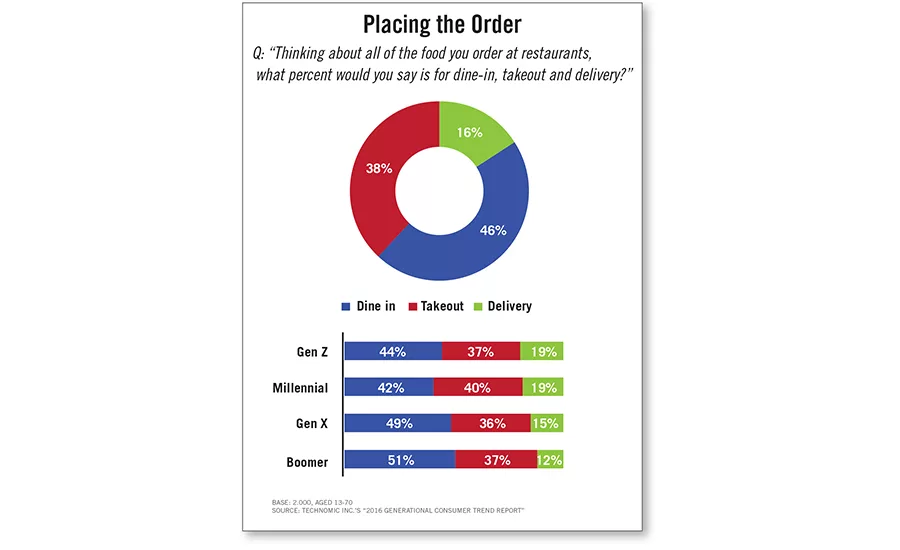
Across different generations, the highest percent of food ordered at restaurants is for dine-in.
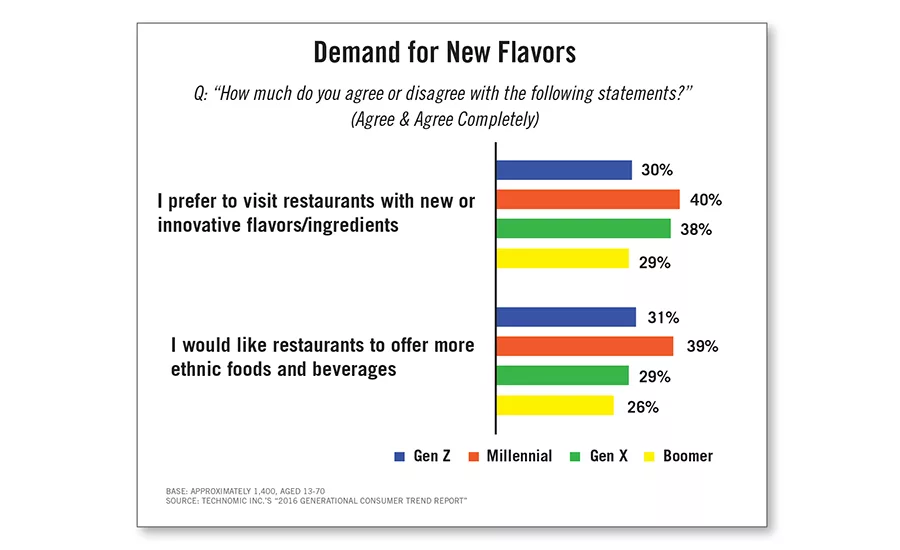
Millennials take the lead in preferring to visit restaurants with new or innovative flavors/ingredients and wanting restaurants to offer more ethnic foods and beverages.
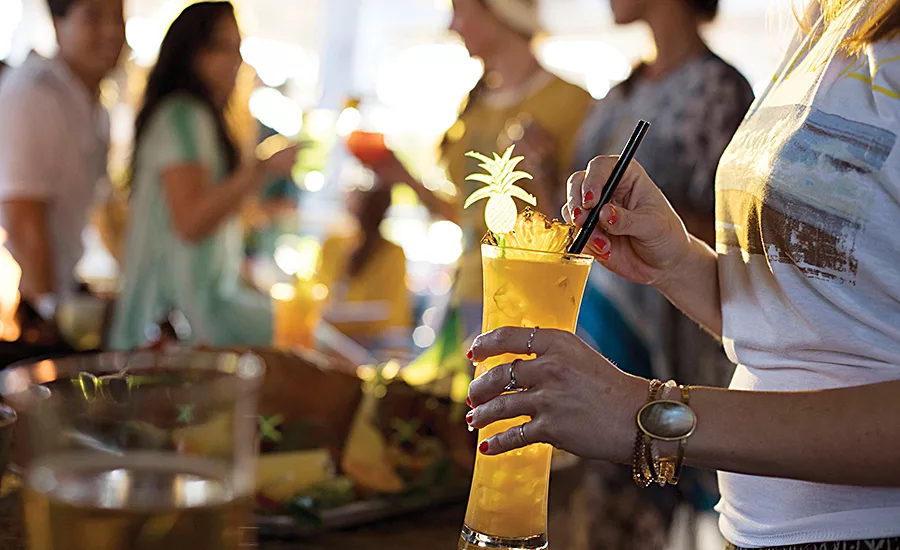
Millennials demand new and innovative flavors and ingredients, as well as more ethnic foods and beverages. Bahama Breeze’s Reggae Fest in July featured the One Love cocktail made with Malibu Banana Rum, Pineapple, Orange and Guava juice shaken together, topped with an Appleton Rum floater and a dehydrated pineapple.
SOURCE: BAHAMA BREEZE/DARDEN CONCEPTS
Each generation is moving into a new life-stage with every passing day. Many of these lifestyle changes influence foodservice decisions, spurring consumers to look for lower prices or more family-friendly restaurants. A comprehensive understanding of generational behaviors and preferences is necessary for operators and manufactures to be able to appeal to their target demographic—or figure out who their target demographic should be.
This past June, Technomic released its updated “Generational Consumer Trend Report,” featuring generational data and foodservice trends from a nationally representative sample of more than 1,500 US consumers. In order to understand the report findings highlighted in this article, it’s first necessary to identify how Technomic defined each generation. Generation Z refers to those aged 23 and younger; Millennial represents adults from age 24-39; Generation X includes adults from age 40-50; and Baby Boomer refers to those between ages 51-70.
Generally speaking, most Gen Zers are students, though more are now entering the workforce and starting to grow their spending power. Gen Zers also are the most ethnically diverse generation surveyed. Millennials are the second-largest generation, following Baby Boomers; are largely of working age; and many are raising young children. Generation Xers tend to be nearing the height of their careers. They are budgeting for future necessities, like their children’s college costs and retirement. Baby Boomers are the largest generation and increasingly are moving into retirement.
Reliance on Foodservice
These different generations use foodservice in notably different ways. Older Gen Zers (aged 18-23) and Millennials are the most reliant on foodservice, which indicates that restaurant patronage will only grow with these generations’ spending power. Similarly, younger Gen Zers’ (aged 13-17) foodservice usage likely will rise, as they become more independent of their parents. Indeed, 72% of younger Gen Zers say that their parents primarily decide which restaurant to visit when they dine out.
When placing food orders, younger generations noticeably drive takeout and delivery usage, likely due to the convenience factor, as well as their familiarity with the technology often used for these services. To be specific, Millennials lead for takeout orders and tie with Gen Zers for delivery.
Millennials even are ordering more takeout now than they were two years ago. These younger generations are giving power to the on-demand delivery revolution, evidenced by the success of third-party delivery companies, such as UberEATS, DoorDash and Postmates.
Of all generations, Gen Zers and Millennials place the highest importance on fast service for takeout occasions. Their desire for fast takeout service aligns with their top reason for increased foodservice patronage, in general: They have less time to cook at home. These students, workers and new parents have very little free time and expect the utmost convenience and speed from foodservice.
Technology & Social Media
Mobile technology has become an expectation for foodservice, especially for takeout, delivery, catering and loyalty programs. Although Gen Zers largely grew up using computers, Millennials still tend to show the greatest engagement with technology when it comes to restaurants, probably because they are the heaviest users of foodservice overall.
Half of Gen Zers say they would be likely to use mobile ordering for a takeout order and 53% of Millennials say the same. Further, nearly four-fifths (78%) of Millennials say they at least sometimes use their smartphone to look up restaurant menus online. Restaurant chains should make sure that they maintain a mobile-friendly website, and they should also strongly consider offering a mobile app with brand and nutrition information, and ordering, payment and delivery technology.
About half of Millennials follow restaurants on social media sites, but preferred sites vary by generation. Facebook is the most widespread form of social media and, therefore, the most common throughout generations for restaurant interaction. Interestingly, more Boomers than Gen Zers use Facebook to follow restaurant brands. In contrast, Instagram, Snapchat and Tumblr are most popular with Gen Zers. Pinterest and Groupon usage for restaurants skews to Millennials.
Food and Beverage Preferences
Millennials demand new and innovative flavors and ingredients, as well as more ethnic foods and beverages far more than their counterparts do. Generation Z doesn’t demand these things to the level that Millennials do—yet—probably because they haven’t fully developed their own palettes or tried too many different foods. Generation X cares more about trying new flavors, in general, than trying ethnic foods; to appeal to Gen X, operators could tie one or two ethnic flavors into a traditional American favorite to give the menu item an unexpected, innovative spin.
Consumer demand for customization is driving the proliferation of build-your-own, fast-casual concepts. These BYO-format chains will only continue to grow, seeing as Generation Z places the most importance on customization of any generation. More than half of Gen Zers say the ability to customize a meal is important at limited-service restaurants, and nearly as many say the same for full-service restaurants.
It’s no surprise that across generations, the two favorite food items are pizzas and burgers. Innovative and ethnic toppings could help sell these items even more to Millennials and Gen Xers. Preference for lighter fare, like seafood, salads and iced tea, skews to Boomers, while Millennials particularly enjoy adult beverages. Sports bars performed especially well in comparison to their casual-dining counterparts in 2015, likely because they succeeded at appealing to Millennial social occasions.
Social Responsibility and Health
Almost two-fifths (38%) of Gen Zers say they would be more likely to visit restaurants if they offered healthier options, compared to only a third of consumers overall who say the same. These younger consumers are likely thinking of health-halo claims, such as natural and organic, rather than traditional health claims (i.e., low-sodium or fat-free). However, they might also be considering caloric content overall, as their recently mentioned demand for customization encompasses their desire to control portion size.
Younger consumers, as a whole, are far more likely than Baby Boomers to care about sustainability and social responsibility at restaurants; these concerns range from issues about green energy to living wages. Although Gen Zers place the most value on health and social issues, they may not be willing to pay more for food at restaurants offering these claims. Gen Zers—who tend to earn a lower income—also are the most price-conscious of any generation, with 69% seeking low prices at limited-service restaurants.
What’s the Outlook?
The key will be for restaurants to decide what their target demographic should look like: Appealing to teenagers, families, friends, business professionals, retirees or any number of defining life stages could help carve out a niche in the competitive restaurant world. Some may decide they want to appeal to a wide range of generations. Others may want to actively target Gen Zers, in order to establish lifelong brand loyalty.
Regardless of motivation, understanding how preferences and habits vary (or conform) across generations is necessary for operators to determine everything from the menu to the ambiance to the service style.
Some legacy chains already appeal to Baby Boomers but will need to find a way to profit from younger generations’ dining dollars, as well, if they want to hold their footing over the long term. The dilemma is essentially figuring out how to gain Millennial or Gen Z fans without alienating current Boomer clientele.
One good case study for this is Denny’s The Den concept, which locates itself near college campuses and features trendy menu items, such as all-day breakfast sandwiches and “hand-smashed” burgers, burritos and tacos. The traditional Denny’s coexists as the go-to brand for older, value-seeking clientele, touting a 55+ menu and discounts for AARP members.
Lastly, restaurants should not forget there are factions among each generation, as well. Younger Gen Zers don’t yet make their own restaurant patronage decisions, but older Gen Zers do. Younger Millennials visit independent restaurants more often than older Millennials. Younger Millennials care more about kid-friendly attributes at limited-service restaurants, while their older counterparts care more about them at full-service restaurants. Older Millennials tend to have older children that are easier to take to sit-down restaurants. When generations span up to 19 years, it’s important to zone in closer to the younger and older sides of each age range.
Originally appeared in the August, 2016 issue of Prepared Foods as Defining Differences.
Looking for a reprint of this article?
From high-res PDFs to custom plaques, order your copy today!


