Flours & Starches
Today's flours and starches are not the same old grind
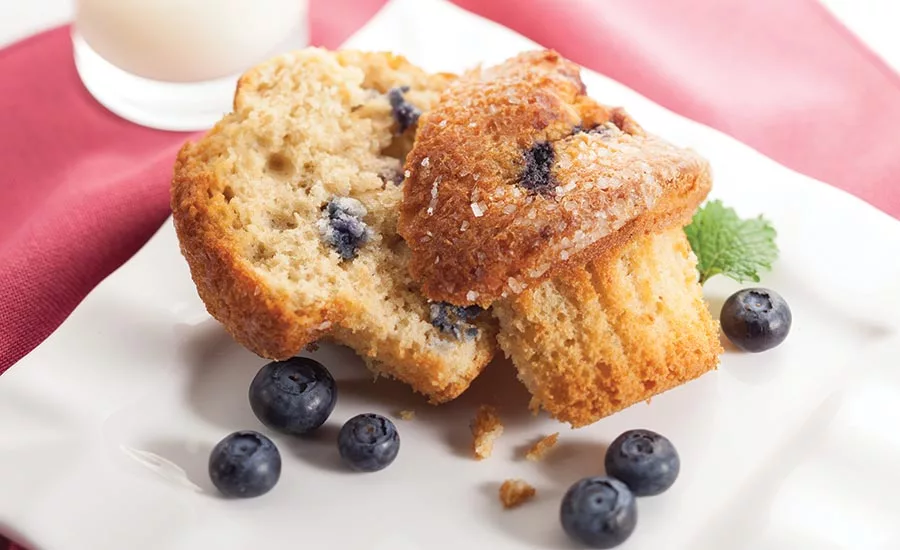
Ancient flours and starches from pulses, seeds, maize, and roots are tomorrow’s stars.
PHOTO COURTESY OF: Ingredion Inc. (www.ingredion.com)
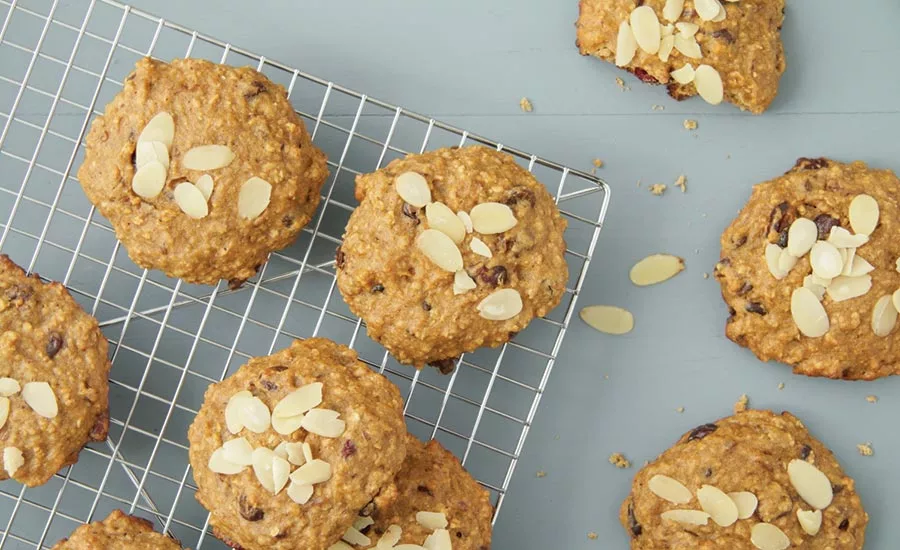
Starches and flours from tree nut sources are favored for their high nutritional value and gluten-free status, with the added benefit of ready consumer acceptance.
PHOTO COURTESY OF: Almond Board of California (www.almonds.com)
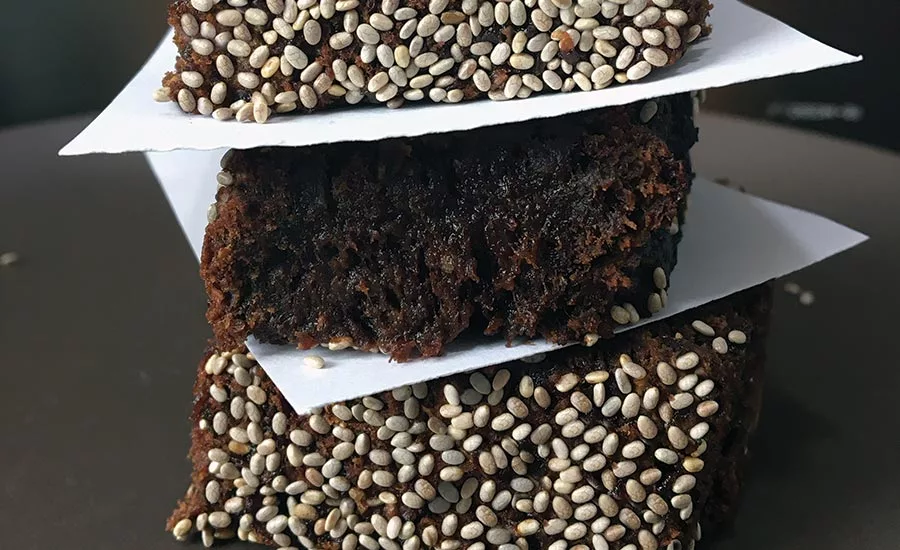
Milling seeds such as chia into functional flours allows processors to take advantage of their high fiber, protein, and omega-3 content in bakery formulations.
PHOTO COURTESY OF: Benexia SA (www.benexia.com)
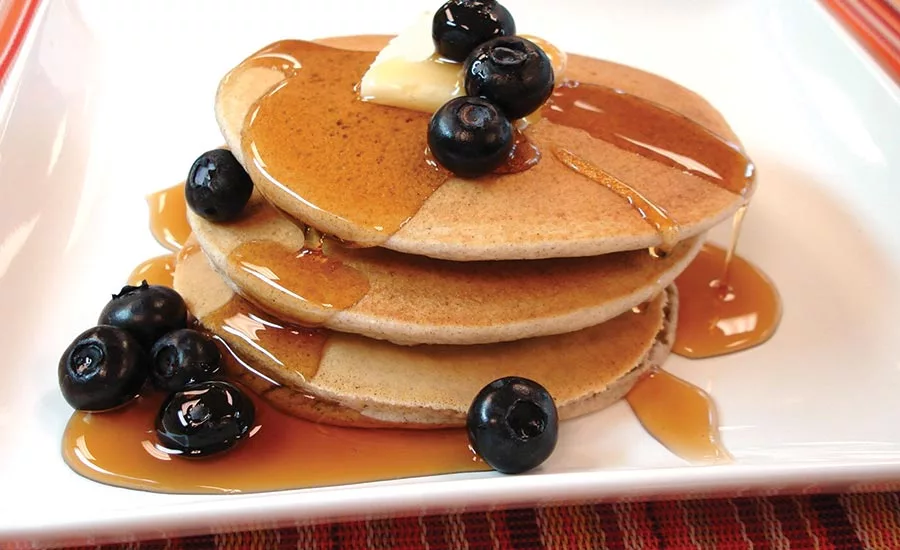
Sorghum flour is enjoying a big surge in popularity as a flavorful versatile, and highly sustainable grain with strong consumer appeal.
PHOTO COURTESY OF: Archer Daniels Midland Co. (www.adm.com)
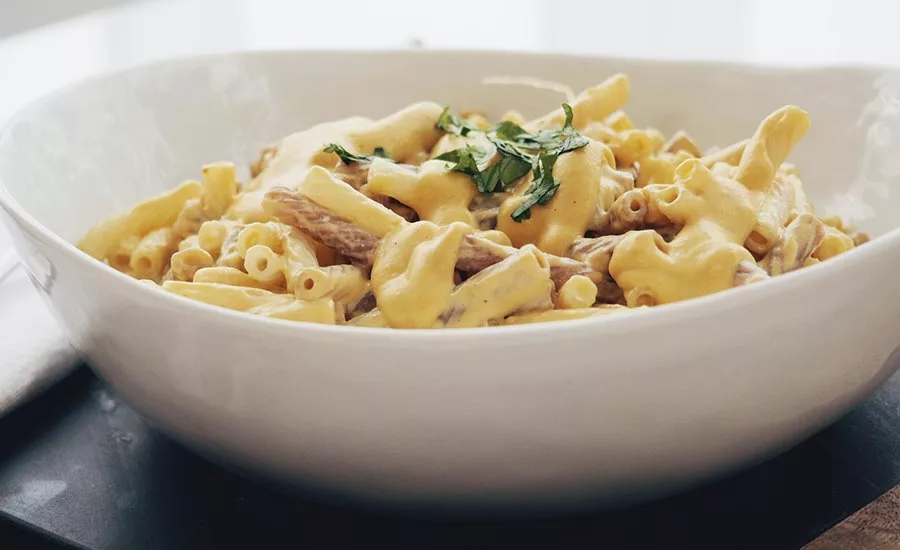
Trends like gluten-free, non-GMO, and sustainability are driving the use of flours and starches from less mainstream sources, like quinoa and other seeds and grains.
PHOTO COURTESY OF: La Compagnie 2 Ameriks, Inc./GoGo Quinoa (www.gogoquinoa.com)
The global demand for clean-label ingredients has more than 60% of Americans believing natural products are better for them, according to researchers at The Hartman Group. And more than half of Americans claim they are actively seeking “natural” ingredients when shopping for food products.
These powerful trends have driven the launch of a variety of clean-label and specialty flours and starches with functionalities comparable to those of commonly used ingredients. These and other trends, such as non-GMO, gluten-free, sustainability, and various popular diets, also are expanding the use of non-mainstream whole grains and seeds plus other plant sources, such as roots and tubers (cassava, yams, and konjac being particularly popular examples), to provide these new starches and flours.
Food starches are booming, with ubiquity in packaged foods. Advances in production and formulation technologies, along with improved logistics, are providing access to new sources, including seeds and ancient grains. These advances also are making functional starches more affordable. Consequently, the surge in consumer dependence on convenient ready-to-eat foods is balanced by the markedly greater nutritional value of those foods.
Ancient and heritage grains have been taking the lead when it comes to deriving flours and starches from crops other than wheat, rice, corn and other common sources. One of the fastest growing examples is millet, a small-seed cereal widely valued as a nutrient-rich staple ingredient in most of Asia and Africa. In recent years, it has grown markedly in popularity in the US and Europe, especially as it offers a number of advantages such as drought resistance, insect resistance, short growth duration, and high yield.
Millet is appearing on the list of ingredients as whole millet, whole millet flour, sprouted whole millet, and sprouted whole millet flour in muffins, breads, and noodles. It also is prized for its nutty taste and high fiber content. In Flowers Foods, Inc.’s Dave’s Killer Breads line, millet appears whole and toasted in several of the seed breads, plus the brand’s English muffins include millet flour for its low-glycemic properties.
Sprouted millet is one of the many sprouted ancient grains and seeds that make up Orgain Shop, Inc.’s Organic Meal All-In-One Nutrition Powder. Sprouting significantly improves the level of minerals and vitamins, in addition to modifying the physical functional properties, such as water absorption, flavor, and enhanced moistness in baked goods. It also adds to paste clarity, a key attribute for a smooth and silky mouthfeel in beverages.
In the Pipeline
• Mashua and melloco starches
Andean tubers mashua (Tropaeolum tuberosum) and melloco (Ullucus tuberosus) contain starches with unique granular and molecular structures that make them functionally versatile alternatives to potato and corn starch, with the added cachet of their exotic source. The high electrostatic repulsive anti-cohesive force (“zeta potential”) of mashua and melloco starches, for example, creates repulsion between particles to deter flocculation and sedimentation to stabilize suspensions in cold mixtures like jams and fruit drinks efficiently.
In jams, higher average particle size and greater amylose content contribute to higher viscosity and better thickening and gelling. Because mashua and melloco starches confer higher viscosity than potato or corn starch in foods like sausages that are prepared by heating, lower amounts of the novel starches are needed to achieve the same binding and eating quality. Consequently, use of those starches reduces both the caloric value and ingredient cost of foods.
Digestibility properties categorize starches as rapidly digestible, slowly digestible, and resistant starches. Gelatinized mashua and melloco starches are highly digestible, but the corresponding cooked flours have a significantly lower digestion rate as a result of physical deterrence of a-amylase via an associated biochemical inhibition of polyphenolic compounds. The lower the availability of starch, the lower the digestibility and consequent conversion of starch to glucose, all of which make these starches useful as a low-glycemic index (GI) ingredient in nutrition bars.
• Baru nut flour
The seeds of baru (Dipteryx alata), the fruit of a leguminous tree from the Brazilian savannah, taste like a mix of peanuts and cashews with a hint of cocoa. There are no documented cases of allergy specific to baru nuts, but there may be a risk of allergic reaction for those with allergies to other members of the legume family, such as soy or peanuts.
Baru nut flour is a viable alternative to nuts in almond butter and hazelnut spreads. Baru oilcake (after oil extraction) flour has noteworthy levels of protein to add value as a less-expensive substitute for almond flour in baked products.
Functional properties such as water-holding capacity (WHC), oil-absorption capacity (OAC), oil-holding capacity (OHC), and swelling capacity (SWC) are intrinsic physicochemical characteristics that govern interactions of the ingredient with water and oil. When substituting ingredients like baru nut flour, measuring such functional properties helps gauge the impact on the product application. The high oil-holding capacity of baru nut flour makes it suitable for stabilizing high-fat emulsions, such as ice cream.
Bean There
Nutrient‐dense extruded food products made from legume flours with high protein and fiber content tend to be hard and dry. However, fava bean flour possesses a uniquely different water absorption index (g/g) and water solubility index than flours made from lima, pinto, or red kidney beans. This is in spite of a generally higher protein and crude fiber content.
These qualities make for a significantly higher expansion ratio in extruded foods to produce a particularly desirable friable texture without the need for frying or coating with fat for lubricity. Also, they contribute a tenderizing effect, as is the case for most legume-based extruded direct expanded products.
Gluten-free pastas made from lentils and split peas, although rich in protein, lack the viscoelasticity of wheat gluten. Unlike the gluten network, which develops during the mixing and extrusion steps of making durum pasta, the protein network in legume pastas develops and sets during the cooking step and is generally weak. This explains why legume-based pastas lack the chewy al dente firmness of durum pasta.
“Replacing as much as 30% of the lentil flour or pea flour with fava bean flour, which is rich in soluble proteins (albumins and globulins), will act like egg white to produce considerable springiness in the pasta and decrease cooking losses substantially,” explains Giovanni Santi, president of gluten-free formulation experts Santi Consulting.
Flours and starches made from another legume, mung bean, have a long history of use in Asian culinary traditions, but of late have made their way into Western formulations as well. They appear mostly in gluten-free pastas, especially as “glass” noodles for Asian-style dishes that trade on their origin.
Change of Seeds
Seeds are nutritional powerhouses, for they pack a punch of plant protein, fiber, vitamins, minerals, and essential fatty acids. They also represent an alternate source for flours beyond nuts, wheat, and pulses, especially in baking and extrusion.
Quinoa is perfectly positioned for sports nutrition applications because of its complete protein nutritional profile; it contains all nine essential amino acids. As a gluten-free ancient grain with the nutritional equivalency of pulses such as peas and lentils, it commands additional cachet in plant-based baked goods, beverages, and meat alternatives that are currently showing tremendous growth potential.
“Quinoa flour contains high levels of protein,” notes Santi. “However, quinoa protein cannot replicate the structure or texture of durum wheat protein in gluten-free pasta. Still, quinoa does contribute significant amounts of protein and fiber, along with flavor and smoothness during extrusion.”
Starch from quinoa is extremely stable and particularly useful as a stabilizer in Pickering emulsions (particle-stabilized emulsions), such as yogurt and dairy-based beverages. The protein (casein) units adsorbed at the surface of milk fat globules act as a surfactant. Homogenization damages milkfat globule membranes, and casein acts as the repairer. The emulsion structure of plant-based milks can similarly be disrupted by heating, but quinoa starch can help stabilize it and prevent unsightly separation. The food industry favors starch that is stable, white in color, and odorless, thus making quinoa a perfect candidate.
Sprouting Up
Sprouted flours are a surging category of ingredients, favored for concentrated and more bioavailable nutrients. Sprouts of the seeds of pumpkin and sunflower are dried and milled into a flour as a source of protein, omega-3 fatty acids, vitamins, minerals, and other nutrients. An excellent example of their value to processors is sprouted brown rice flour. Rice flour, the predominant ingredient in gluten-free bread formulations, tends to have poor texture and reduced shelf life because it lacks the gluten that would normally retain moisture and deter staling. During germination, the hydrolytic enzymes that stimulate plant growth also help release components of starches, reduce starch molecule size, and release other phytocompounds that make germinated brown rice flour contribute improved shelf life and structural attributes to gluten-free bread.
Teff is distantly related to wheat, barley, rye, and oats but lacks gluten-like prolamins associated with celiac disease and gluten intolerance. Traditionally used in Ethiopia and Eritrea to produce a spongy pancake-like bread called injera, teff flour may be formed into a paste with water and cooked to provide the functionality of hydrocolloids in gluten-free baked products. This is because it can provide a batter with an increased gas-holding capacity due to higher viscosity. Its high water-holding capacity makes teff flour useful in avoiding syneresis in frozen foods subject to repeated freeze-thaw abuse.
Other oilseed flours are gaining popularity in bakery products for their organoleptic and nutritional properties. Flax, chia, sunflower, pumpkin, sesame, and even poppy seeds, once used whole or slightly crushed, are now used in ground form or as mucilage in baked products such as artisanal breads.
The comparatively high mucilage levels in chia seed and flaxseed flours — similar to those of guar gum and pectin — allow these flours to contribute to fat replacement because of the ability to modify the rheology of the doughs. They can serve much of the function of gluten and provide viscosity for retention of air cells in the crumb of gluten- free breads.
Care should be taken during storage and in how they are included in the formulation process, however, to avoid lipid oxidation and negative impacts on the structure of the gluten network. When used as flours in baking, their functionality depends on hydration and release from the original matrix to interact with the components of the dough.
Pumpkin seed flour can replace whole wheat flour in breads to contribute a comparable protein content but with a significantly moister crumb. Moreover, the resulting product will retain its characteristic chewiness or cohesiveness.
Sunflower, one of the three most cultivated oil crops in the world, yields as much as 36% in oilcake as the major by-product of oil extraction. It has a protein content of 40–50% and has historically been used in ruminant feed. Sunflower oilcake contains essential amino acids (such as lysine, methionine, cysteine, and tryptophan), as well as minerals and B vitamins. It is high in insoluble fiber, too, but also often contains anti-nutrients such as protease inhibitors, saponins, and arginase inhibitor.
One ingredient company recently upcycled this dry by-product of sunflower oil extraction and diverted it from the animal feed supply chain into the human food supply chain via savory snack chips. The chips, with a dark brown color and a pronounced flavor, are made using a combination of high pressure and high-temperature processing to break down the insoluble fiber into smaller soluble dietary fiber units, to degrade some anti-nutrients, and to sterilize the substrate.
Southern Comfort
Sorghum, another small-seed, drought-resistant, gluten-free cereal grain from Africa and Asia but long popular in the southern regions of the US, comes with on-trend appeal. It has the nutrition of an ancient grain plus regional familiarity, and it boasts a low glycemic index with neutral flavor.
Sorghum contains as much as 20-25% amylose, which gives it the functional hardness and water-absorption characteristics suitable for puffing and popping applications. It also lends its ability to retain its crunchiness to The Kellogg Co.’s Special K Protein Honey Almond Ancient Grains cereal with sorghum and black rice.
“In addition to its nutritional value, one cannot stress enough the marketing power of sorghum as an ancient grain,” says Julie Miller-Jones, PhD, professor emeritus of foods and nutrition at St. Catherine University, St. Paul, Minn., and a member of the Grain Foods Foundation scientific advisory board. “Messages of sustainability and history of use pique consumer interest, as does the fact that, while sorghum and wheat have similar protein and carbohydrate contents, sorghum is naturally gluten free.”
Miller-Jones also mentions two other important ancient grains: rice and barley. The former, as a popular source of gluten-free flour blends, has seen recent growth in older, heritage varieties. Barley, too, is taking advantage of its heritage, with purple and black barley used for anthocyanin-rich flours that make excellent rustic breads and cakes.
A challenge with many such heritage grains can be texture. For example, sorghum’s hardness and tendency to form coarse grits can leave a sandy mouthfeel. It also can form microscopic web-like structures that interfere with the starch gel in gluten-free formulations, creating large holes in the crumb and eventual collapse of the bread or cake structure.
Sorghum’s high gelatinization temperature can result in inadequate gelatinization during baking, leading to a gummy texture. To overcome all these challenges, special milling considerations for application in some formulations or careful balancing with other flours in blends would be called for.
Another solution consists of enhancing the viscosity of the batter or dough to retain the air cells through use of hydrocolloids or pre-gelled starches. These will give the additional viscosity to help develop a cohesive crumb network that traps gas bubbles and prevents loss of carbon dioxide and crust collapse.
No Assembly Required
Growing interest in nanomaterials of natural origin has led to the development of nano-sized particles from naturally occurring materials, including starches, in which the particles are termed “self-assembled.” In nature, the starch in wheat, potato, corn, cassava, and rice, among others, consists of linear amylose (20% to 30%) and amylopectin (70% to 80%). Their amount, type, and arrangement influence their behavior during heating, cooling, and when mixed with other ingredients and create unique thickening, water binding, emulsion stabilizing, and gelling properties.
Starch nanoparticles (SNPs) or starch nanocrystals (SNCs) can be produced by chemical, enzymatic, and physical treatments that order, orient, and pack the amylose and amylopectin molecules in a controlled, systematic manner to produce a unique range of size distribution, crystalline structure, and physical properties to serve as tailored, exceptional alternatives for creating physicochemical and rheological properties of foods.
Self-assembled debranched waxy rice starch nanoparticles, for example, have been used to form tangential-oriented self-assembled waxy rice starch spherulites with the physiological effects of dietary fiber but with the taste of fine rice. Such nanoparticles can also serve as a stabilizer in yogurt and dairy-based beverages.
Topical Tropicals
Green bananas, coconuts, cassava, and fruits and vegetables such as sweet potatoes, cauliflower, cabbage, apples, and pumpkins all are being dried, pressed, and ground into flour for incorporation into a variety of applications. Many of these are finding their way into extruded and baked products.
Coconut flour is made from grinding dried coconut pulp, the by-product (waste) of the coconut milk industry. It is a rich source of dietary fiber, and also of fermentable resistant starch, and produces short-chain fatty acids with butyrate, acetate, and propionate side chains.
Coconut flour is a flavorful alternative to wheat flour in gluten-free baking because of its protein, high fiber, and low digestible carbohydrates. It tends to yield a denser, heavier texture than wheat flour, though, because of its high water- and oil-absorption capacity. It does not, however, function well as a one-to-one substitute for wheat flour and other flours without additional moisturizing ingredients such as eggs and fats. Still, it may be used at levels of 10-20% to enhance the structure and nutritional profile of baked goods such as brownies and banana bread without negatively affecting taste or texture.
Jackfruit seeds have a high carbohydrate content and represent 8–15% of the weight of the fruit. The seeds usually are discarded as waste in jackfruit processing. The properties of jackfruit seeds — including starch composition, swelling power, solubility, pasting, gelatinization, crystallization, and digestibility — are markedly similar to those of chestnut flour. Because of this, jackfruit seed starch is ideal as a gluten-free thickener for stews and soups.
The continued diversification of flour and starch derivatives from nuts, seeds, legumes, roots, and other plant parts is bound to continue along a steep trajectory concurrent with the increasing awareness of and demand for variety and diversity of food ingredients.
Careful consideration of the role and functionality of ingredients being replaced, and the reasons for those replacements, are imperatives for identifying the ideal alternative that will successfully deliver on expectations without sacrificing quality or inflating cost. This is where ingredient experts can be valuable partners for developers seeking ways to differentiate their products in an increasingly crowded and competitive marketplace.
Kantha Shelke, PhD, is a principal at Corvus Blue, LLC, a Chicago-based food science and research firm specializing in industry competitive intelligence, expert witness services, new product/technology development, and commercialization of foods and food ingredients for health and wellness. A globally recognized expert in her field and a regular contributor to these pages, she may be reached at kantha@corvusblue.net. She most recently shared her expertise in the May issue of Prepared Foods magazine on the related topic of gums and fibers. You can check out that feature here.
Looking for a reprint of this article?
From high-res PDFs to custom plaques, order your copy today!


