Product Developers Take to the Streets for New Flavors and Trends
Street food is ideal for a mobile, on-the-go concept or a quick economical meal
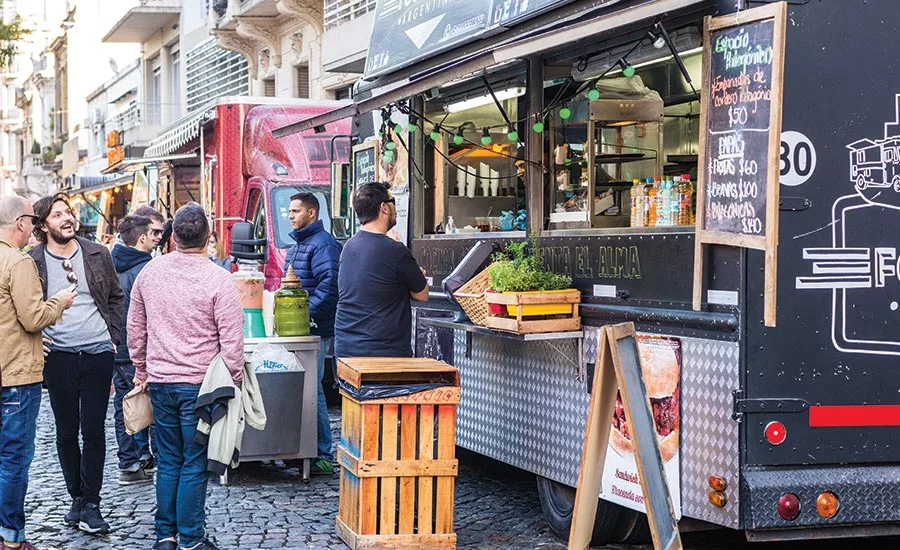
Health, clean-label, and, most importantly, authenticity describe today eats.
PHOTO COURTESY OF: getty images
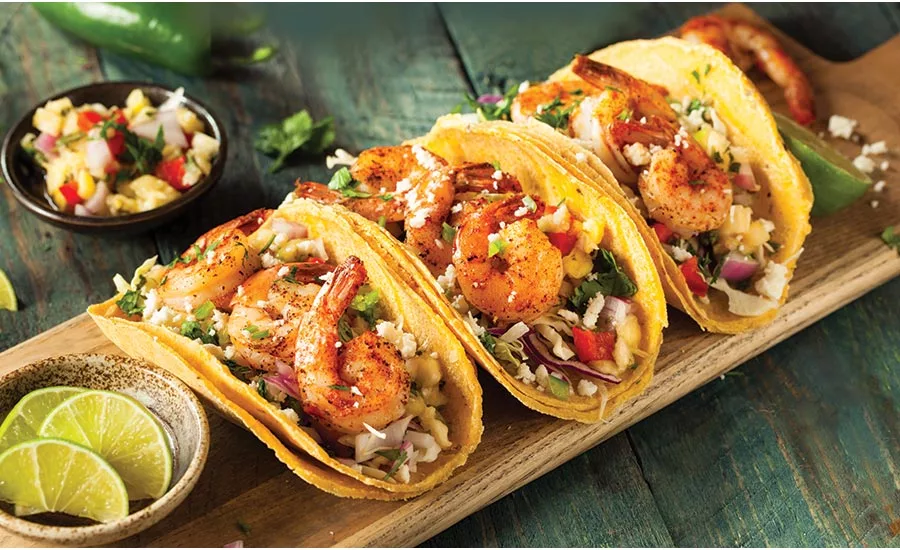
Today’s street eats often involve a cross-pollination of cultures, such as Asian with Central American, relying on solid bridge ingredients for a supporting flavor.
PHOTO COURTESY OF: Kikkoman Food Co. (www.kikkomanusa.com)
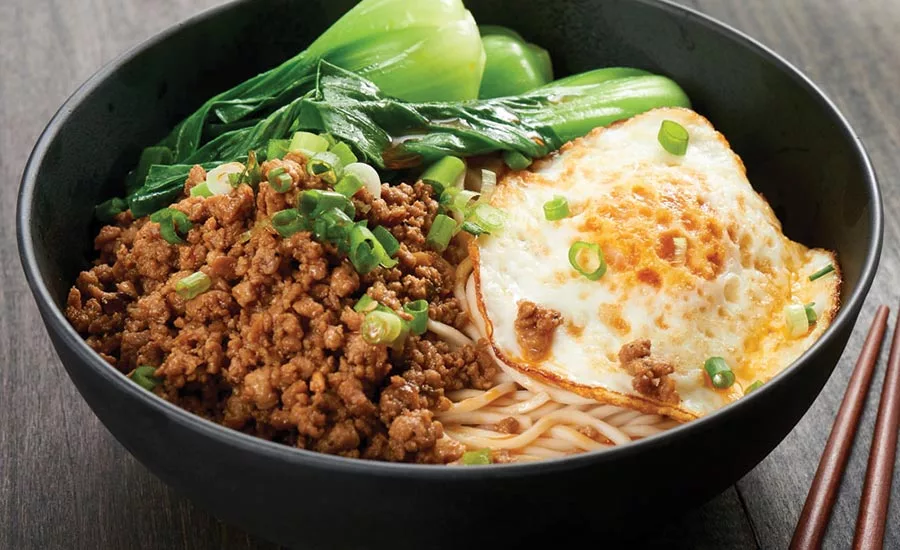
While it’s important to retain as many key ingredients and techniques as possible in recreating street foods, ingredient experts can help bridge any gaps.
PHOTO COURTESY OF: Lee Kum Kee USA Inc. (www.usa.lkk.com)
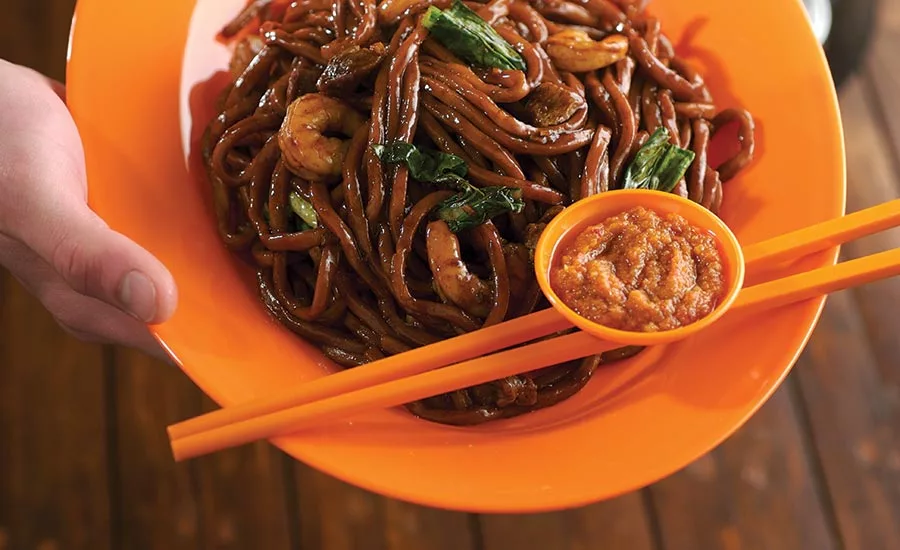
Easier access to high-quality, authentic ingredients is helping product developers get closer to the original flavors of reimagined street fare.
PHOTO COURTESY OF: Chef Robert Danhi/Flavor360 (www.flavor360software.com)
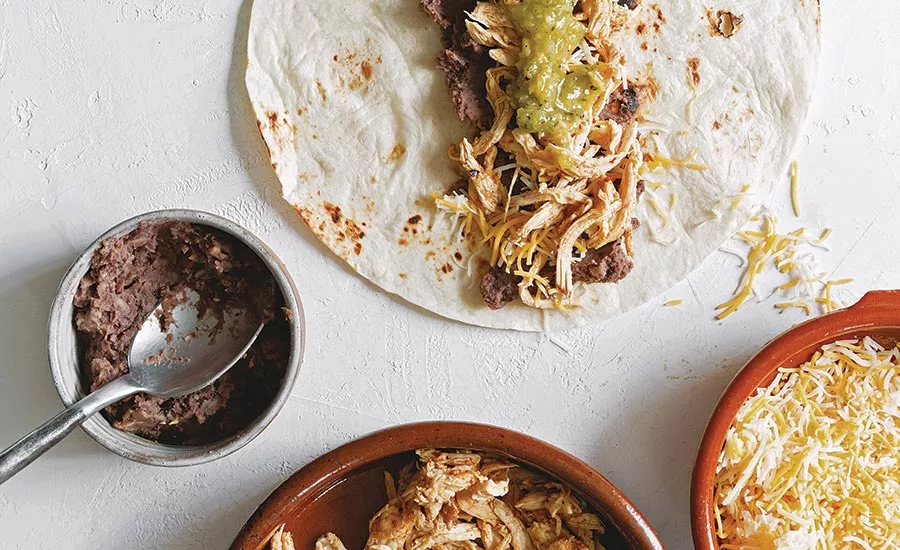
Globalization, the media, and international travel have broadened the average consumer’s culinary horizons, leading to an unprecedented openness to — and demand for — new foods.
PHOTO COURTESY OF: Dotty Griffith “The Ultimate Tortilla Press Book” (Harvard Common Press) (www.truetexascuisine.com)
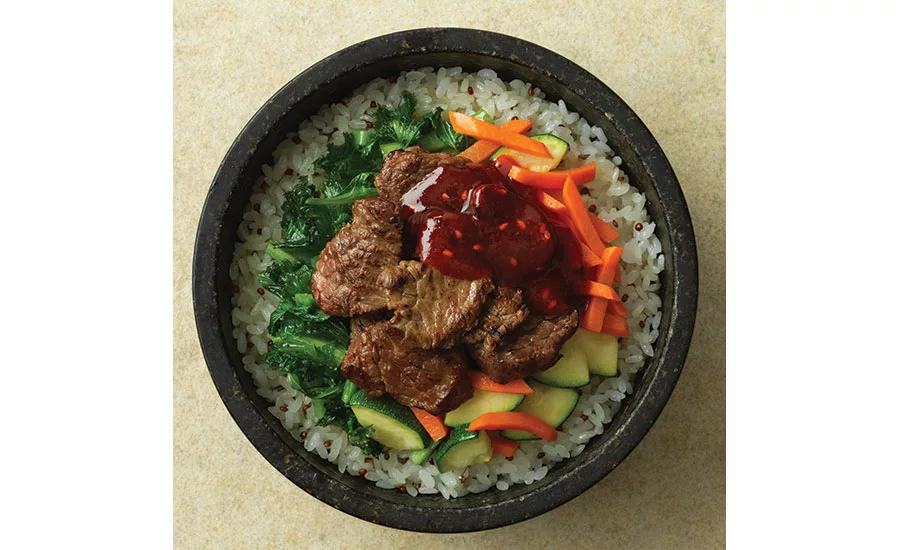
Natural flavor enhancers can help compensate for exotic, hard-to-get, or costly ingredients without compromising classic recipes.
PHOTO COURTESY OF: CJ Foods, Ltd. (www.cjfoods.com)
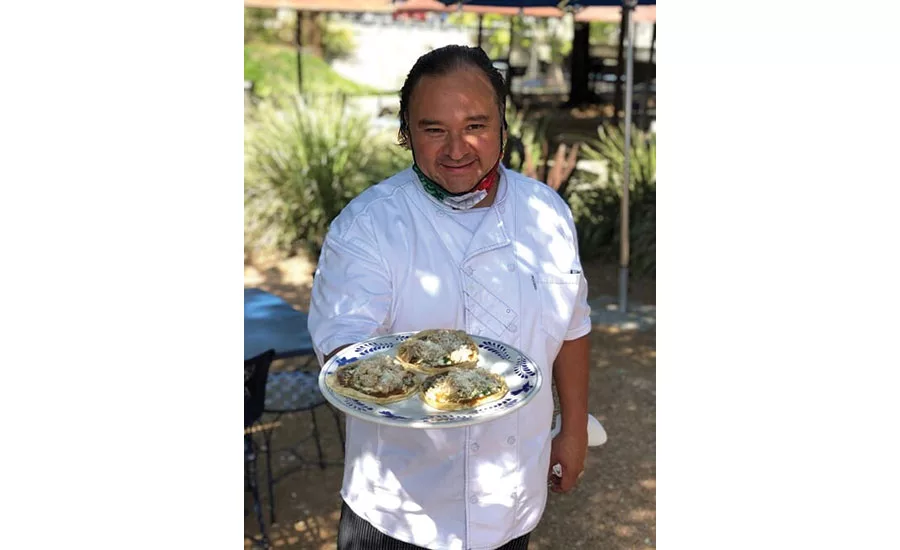
Johnny Hernandez, chef and owner of San Antonio, Texas icon Grupo La Gloria, makes commitment to authenticity one of his guiding principles.
PHOTO COURTESY OF: Hinnerk Von Bargen
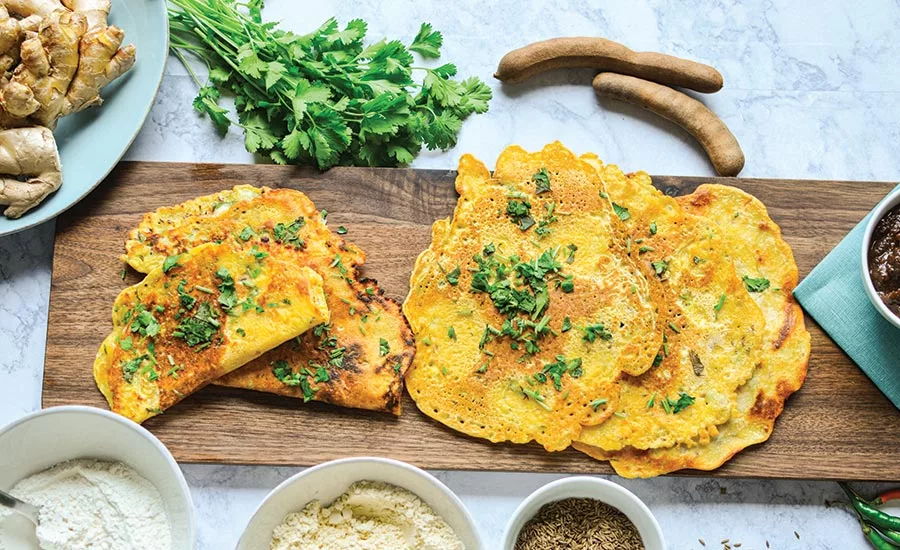
Translating the one-off and unique flavors and textures of traditional foods is easier with natural functional ingredients designed for consistency and reproducability.
PHOTO COURTESY OF: Ingredion, Inc. (www.ingredion.com)

Hinnerk von Bargen, CHE, is the author of “Street Foods”.
Epicurean thrill seekers appreciate a noisy, hustling and bustling street kitchen, a hawker center, or a food trailer park just as much as the comfortable and sophisticated atmosphere of a fine dining restaurant. In today’s “grab-and-go” world, stay-at-home consumers are seeking that same level of culinary excitement and stimulation of all senses.
Food carts and kiosks are as old as civilization; ever since there have been roads and piazzas frequented by people, entrepreneurial professionals have taken advantage of the opportunity to peddle edible goods on the spot. Rows of food stalls have been uncovered by archaeologists in ancient sites in Rome, Jerusalem, and Ephesus. However, the modern “food truck” trend in the US trades on a certain hip status. Top chefs and budding chefs alike have taken their creativity to the streets to engage busy consumers with fare authentic or upscale.
Part of the pleasure of street food is the entertainment of watching cooks shape fresh dough into noodles, hearing meat or poultry sizzle as it hits a hot wok or grill, or smelling the heady aroma of cooking garlic or freshly steamed dumplings. The challenge is how to translate and recreate those experiences into an equally flavorful prepared and packaged product.
Daniel Herskovic, owner of Mayana Chocolate, Inc. and former chef and food truck owner, points out other attributes of street food. “It should be affordable, fast, flavorful, bold, and,” he adds with tongue only partially in cheek, “best enjoyed while standing.”
DRIVING THE CART
“Street food is often inspired by a specific culture or a blend of cultures,” adds Herskovic. “Not as serious as fine dining, what makes it so special is that it can make someone’s day better without having to plan a special occasion.”
Street food can be defined as humble good eats served swiftly on sticks, in bowls, or on paper plates. Often wrapped in a flatbread, lettuce, or even paper, it can be enjoyed without the need for anything but one’s hands and a wet wipe. Inexpensive, convenient, and portable, it’s ideal for a mobile, on-the-go lifestyle or a quick economical meal. Different from fast food, street food is perceived to be based on local, seasonal, fresh and minimally processed ingredients.
Food vendors of today often include accomplished professionals such as Herskovic. Most trade on their diverse ethnic and culinary backgrounds. But they also gave energy to the trend by utilizing information technology and social media to attract followers and keep them up to date about new creations and locations. Another driving factor is the food knowledge of the customers.
Globalization, the media, and international travel and trade have broadened most people’s culinary horizons and sparked an infectious desire to try new foods. Once little-known international classics such as banh mi, pad Thai, börek, sincronizada, falafel and many others have become common, with the only question in the consumer’s mind being where to get the best version.
FOR REAL
Street food has conventionally been viewed as a beacon of authenticity, and there is definitely truth to that. A successful native vendor selling satays from his mobile grill in Kuala Lumpur has had his whole professional life to perfect and personalize it. On the other hand, there are many favorite street eats with little relation to the culinary classics of the locale.
A popular street food in the Puebla region of Mexico is the taco Árabe, or “Arab-style taco.” It is filled with meat sliced from an upright rotisserie most familiar from gyros, döner kebab, or shawarma (also immensely popular street fare). A reflection of Middle Eastern cooking, it has, over time, given way to local interpretations. The traditional lamb has changed to pork; most vendors use tortillas instead of the traditional pita bread; and the yogurt or tahini sauce has been replaced with a regional salsa. A comparable version, known as taco al pastor, made its way into Mexico City in the early ‘70s and is now found all over Mexico.
This creates an unusual challenge for the research chef seeking to stay true to a particular dish’s roots when recreating it for batch production. Today, changes in formulations happen quickly, and many dishes served from a food truck transcend any original geopolitical borders. The popularity of such items as beef bulgogi-filled tacos, Spam nachos, steamed bao buns with thick-sliced bacon and German slaw, and matcha lattes with tapioca bubbles reflects the ever-growing desire for new ideas and novel combinations.
Johnny Hernandez, chef and owner of San Antonio, Texas icon Grupo La Gloria, has great insight and a unique perspective on street cuisine. A gastronomy legend in South Texas, Hernandez has spent much of his career traveling all throughout Mexico to research local street foods in an effort to translate regional concepts into line production for his restaurants. His inspiration from the expansive — and largely untapped north of the border — diversity of Mexican cuisine traditions was prophetic in that by 2010 UNESCO added the cuisines of Mexico to the list of “intangible cultural heritages” worth protecting.
An example of one of the more popular dishes Hernandez brought in from the streets is sopes, a thick white corn tortilla with pinched sides, topped with roasted salsa, crema, a cooked meat topping, and cotija cheese or queso fresco. The complexity and layers of flavors of sopes are a sterling illustration of authentic Mexican street fare. Hernandez notes that, by exemplifying the most common foods of a region and/or season, such dishes also deliver a sense of place and belonging.
Hernandez was able to successfully translate his favorite recipes to batch production by partnering with HEB Grocery Co., LP, the largest supermarket chain in Texas. Together, they designed a retail line of meal kits and RTE foods. To ensure a smooth evolution from street food into restaurant production and retail kits without losing each dish’s essence, it is crucial to maintain regional authenticity and integrity. Hernandez accomplishes this by sourcing key ingredients, especially corn, from producers in Mexico.
Corn, one of the region’s most iconic ingredients, is imported directly, then and nixtamalized (soaked and cooked in limewater) and ground into masa on site. The process not only boosts flavor and nutrition but reduces potential pathogens such as mycotoxins.
Hernandez took authenticity even further by designing his kitchens to reflect the food stands he encountered on his trips. For his retail line of ready-to-heat/assemble meals, Hernandez found that open fire or direct high-heat searing best creates the flavors essential to many Mexican foods. He thus equipped his kitchens with such essentials as wood-fired grills and high-heat planchas (cast iron griddles) to more accurately recreate and capture not only the flavors, but also the aromas of the foods he makes.
With such commitment to authenticity as one of his guiding principles, Hernandez also chose producers and partners capable of producing the flavors he demands. He continues that commitment by taking extra care with raw ingredients and other such components in his meal kits; maintaining their freshness and flavor in addition to keeping a clean label.
“The key to success is [maintaining] regional authenticity and integrity of the dishes,” he explains. Hernandez stresses that “street food and fast food are worlds apart from each other; their only similarity is convenience and accessibility.” He adds that street food is typically fresh, often seasonal, and region-specific. And, as opposed to fast food, it has limited packaging.
FOUND IN TRANSLATION
Since the mobile culinary experience is as much about the overall sensory and emotional experience as it is about the food, translating it to a stationary operation — especially one with several levels between the chef and the consumer — is tricky. Unlike Hernandez, Ming Qian, a Beijing native and chef/owner of Restaurant Ming’s, Ming’s Thing Catering, and Ming’s Noodle Bar, started out peddling her culinary creations in San Antonio farmers’ markets. It wasn’t until 2011 that Ming translated the popular interpretations of her childhood favorites into a string of restaurants.
Reflecting East Asian culinary customs and catering to current eating trends, Ming also offers a sizable selection of vegetarian and vegan dishes. She takes advantage of ingredients such as fermented tofu, dried shiitake mushrooms, kelp seaweed, and mei cai, a little known dried Chinese cabbage. All these ingredients provide rich umami notes without having to resort to using meat or artificial flavor enhancers.
“The hardest thing in large-scale food manufacturing is capturing the essence and quality of a one-off, just-made dish,” notes Terry Bleecker, senior vice president of meal-kit maker Fresh From Texas, LLC. While some of these food experiences can never be captured due to the required preparation and use of certain fresh or raw materials — ceviche, for example, which requires consumption within hours of preparation — many street concepts can be, and have been, converted for industrial food production.
Empanadas, egg rolls, and samosas are good examples. When ideating and designing such concepts for food manufacturing, a key component in attaining authentic flavors is skillful adjustment of spices and ingredients. The developer might need to engage in artful re-imagining of the concept to allow for easier manufacturing or assurance of food safety.
Elote, Mexican wood-grilled street corn, has been retrofitted to harmonize with manufacturing’s needs. Traditionally, elote is a Mexican field corn pre-cooked and grilled whole, smeared with mayo or crema, then sprinkled with spices, crumbled cotija cheese, and a squeeze of lime juice. In recreating the traditional favorite, processors usually remove grilled or roasted kernels from the cob and combine them with the crema, cheese, spices, and lime, and package it as a heat-and-serve side dish.
Bleecker emphasizes that the developer should retain as many of the key ingredients as possible to capture a food’s essence and maintain ethnic and regional accuracy. Especially for any themed concept, the spices, vegetables, and proteins should accurately reflect that region. While there are a lot of fusion possibilities, cross-cultural concepts tend to be low-volume items when they leave the street for the supermarket. He attributes this to buyer confusion, since the concept behind the fusion is not readily brought over from the cart or kiosk.
For example, an egg roll with a taco filling might be successful from a colorful food truck, with explanatory artwork colorfully displayed on the side. It’s harder, however, to make it work well displayed in a freezer or refrigerator case in a small package. Not impossible, though. The enduring popularity of “pizza rolls” — those deep-fried, pizza topping-filled eggroll wrappers beloved by college kids and Super Bowl partiers — attests to that. Still, most consumers might not readily recognize or accept an especially exotic fusion concept in processed format.
Ming takes a more liberal approach. She places integrity of the food above perceived authenticity. Many of her dishes are combinations of more than one culinary culture. Still, each component has been developed with regional integrity and authenticity in mind. She believes such an approach is necessary to properly prepare, explain, and ultimately sell the products.
To successfully scale up street foods in a large-scale manufacturing environment, maintaining simplicity in the concepts is important. It helps to ease manufacturing procedures, sourcing of ingredients, and conversion to finished goods.
According to Bleecker, many street food concepts have already made their way to food manufacturing, especially in the form of meal kits, and more new, imaginative concepts are coming to market every month. Moreover, with more people eating at home, the need for interesting and engaging food products available at supermarkets is trending up.
The exploration into regional street fare has seen the arrival in fresh and frozen aisles of such prepared meals as paneer with potatoes and lentils, spicy tofu with mushrooms bowls, vegan General Tso’s chicken wraps, and chili rellenos. Food manufacturers continue to embrace the creativity of previously portable ethnic dishes and are leading the charge by recreating and launching them as new retail products.
Globalization and advances in nutrition research will continue to drive new trends and fads, and food and ingredient technology will give rise to new procedures, components, and tools to keep up with ever-changing consumer demands. The food industry’s challenge will be to continuously explore: one never knows when some unassuming little culinary gem from a pushcart on the streets of Warsaw, or a food fair in Montreal, or even a farmer’s market in a Paris suburb might, with the right execution, end up being the next big thing.
Looking for a reprint of this article?
From high-res PDFs to custom plaques, order your copy today!


