Creating Next-Gen Milk Analogs From Nuts, Grains, Legumes, and Other Plant Sources
Ingredient and formulation technologies have advanced to where the organoleptic and nutritional lines between dairy and dairy analogs have almost seamlessly merged
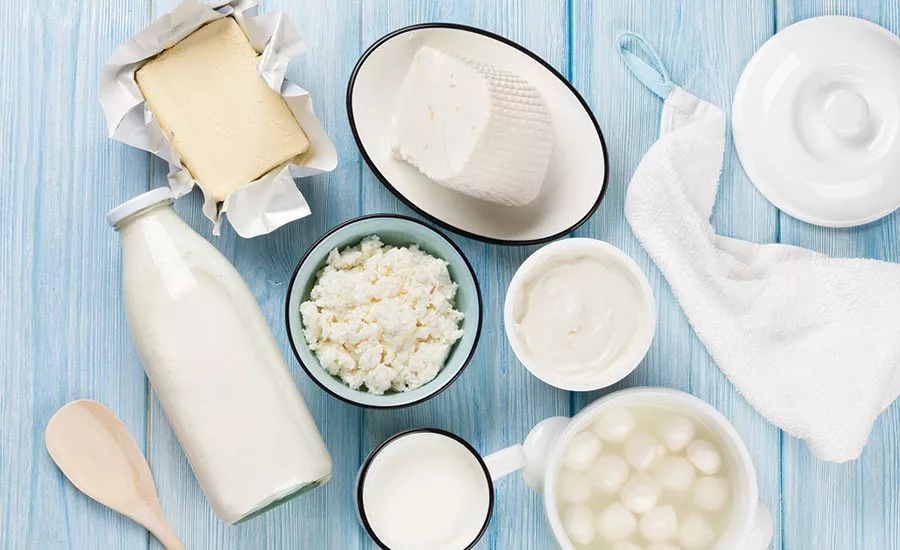
Cowless milk — from nuts, legumes, grains, and even food labs — is flowing freely.
PHOTO COURTESY OF: REMILK, LTD. (WWW.REMILK.COM)
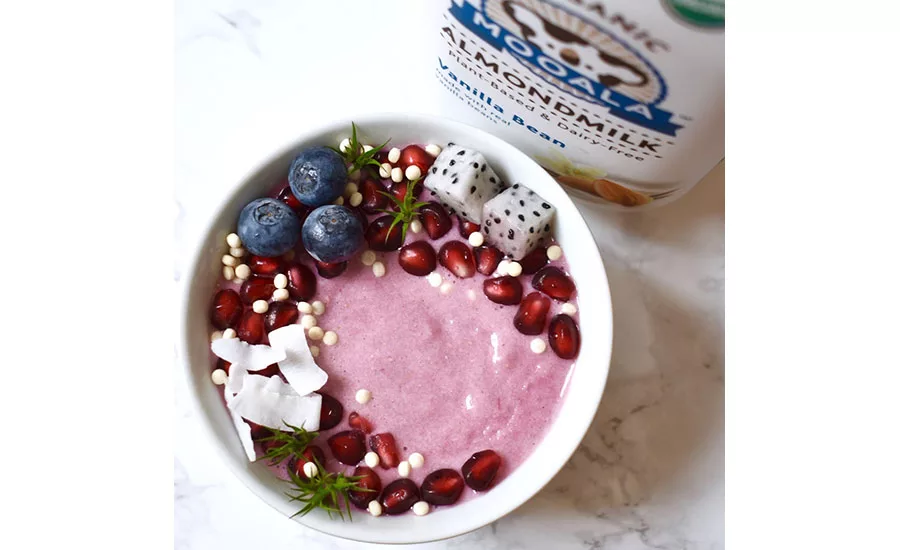
Crafting plant-based dairy analogs also calls on cross-functional ingredient input such as from flavor and masker experts.
PHOTO COURTESY OF: MOOALA BRANDS, LLC. (www.mooala.com)
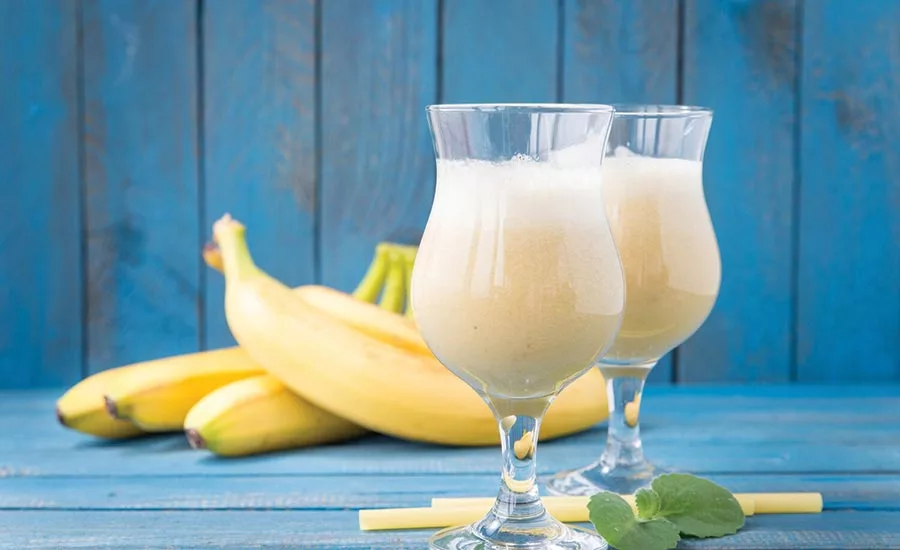
Plant-based milk alternatives are becoming more creative with such blends as bananas with oats quickly on the rise among non-dairy alternatives.
PHOTO COURTESY OF: FRESH START BEVERAGE CO./SHUTTERSTOCK (WWW.BANANAWAVE.LOVE)
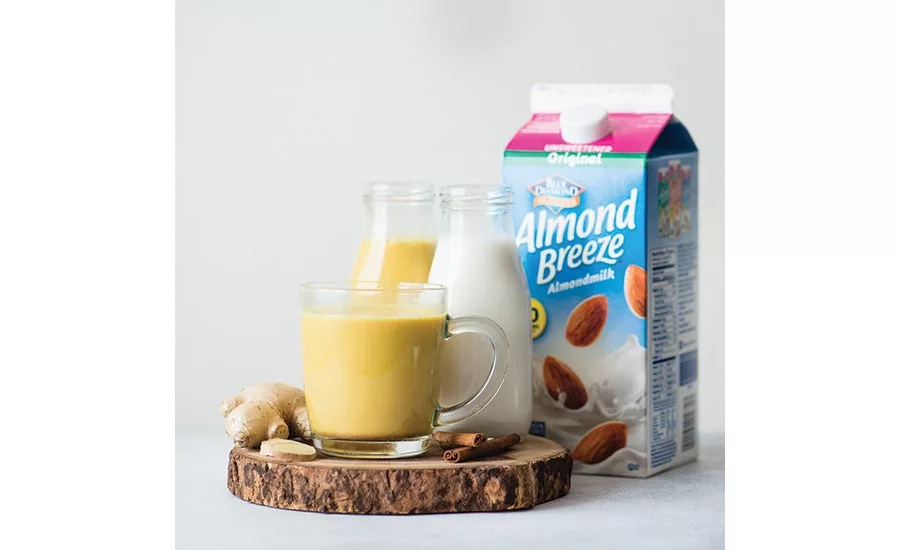
Milk analogs from tree nuts have the benefit of a comprehensive complement of nutritional elements such as protein, minerals, and fiber.
PHOTO COURTESY OF: BLUE DIAMOND GROWERS (WWW.BLUEDIAMOND.COM)

Gluten-free oat milk production is less challenging than ever with more millers offering GF-certified oat ingredients.
PHOTO COURTESY OF: Ashley Shapiro-Namaste Upbeet for White Wave, Inc./Silk (WWW.SILK.COM)
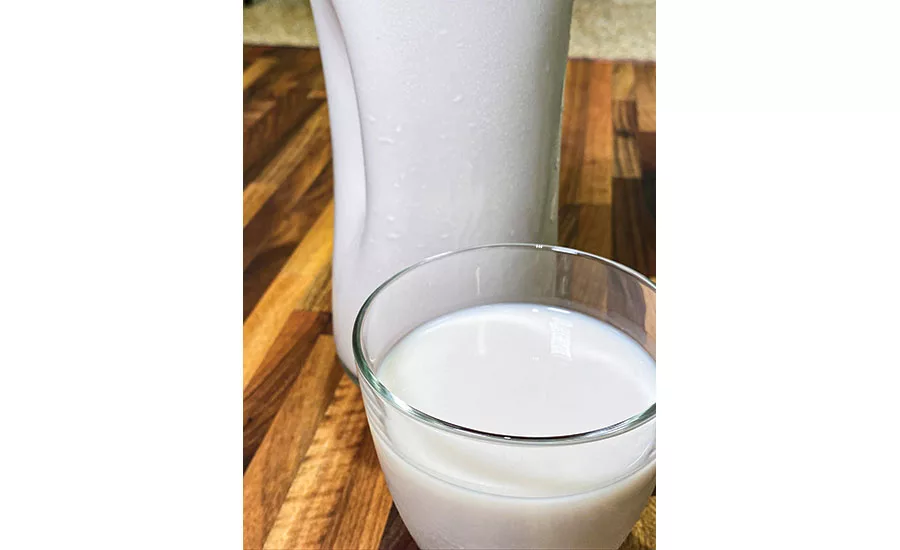
The fastest growing segments of the booming nondairy milk analog market are for non-GMO, organic, non-allergenic, and nutritionally complete products. PHOTO COURTESY OF: INGREDION, INC. (WWW.INGREDION.COM)
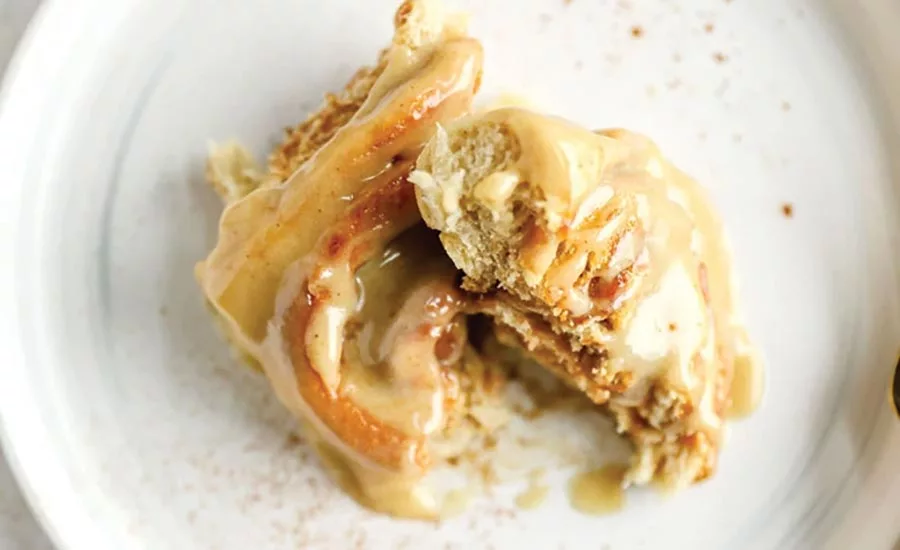
Ingredient technology has pushed the envelope, allowing today’s dairy analogs to perform well in such complex formulations as baked goods.
PHOTO COURTESY OF: JOI, LLC (WWW.ADDJOI.COM)
Plant-based milk analogs and other dairy-alternative products comprise a rapidly growing market segment for a number of reasons, including lactose sensitivity/intolerance, dairy protein allergies, vegetarian lifestyles, and environmental concerns. In the US and UK, cow’s milk consumption has declined while plant-based milk consumption has increased significantly in recent years.
Meanwhile, ingredient and formulation technologies have advanced to where the organoleptic and nutritional lines between dairy and dairy analogs have almost seamlessly merged. And consumers are milking that for all it’s worth.
A 2019 survey showed that nearly a quarter of American households consume mostly plant-based beverages, and another 16% consume both dairy milk and plant-based beverages. Also, a 2017 survey revealed that sugar content was the most important factor in selecting plant-based beverages, with plant source being the second most important consideration.
While dairy milk remains one of the most nutritionally complete beverages, plant-based substitutes require more thoughtful formulation and processing to provide similar protein, vitamin, and mineral content. Plant-based milk, in its simplest form, is a water-soluble extract of plant material from one of five categories: nuts, seeds, legumes, cereals, or pseudo-cereals.
Plant-based beverages also can be created by formulating oil-in-water emulsions with a combination of ingredients. Further processing for either type is often used to enhance stability and sensory and nutritional properties, while adding other ingredients (e.g., sweeteners, flavors, and oils) can help improve flavor and consumer acceptance.
GROWING SOURCES
There are advantages and disadvantages to consider when comparing specific plant-based milk sources with dairy milk and with each other. Issues with plant-based milks include beany or off flavors, enzyme inhibitors, anti-nutritional factors, protein solubility, and emulsion stability.
Sometimes advantages and disadvantages exist within the same source. For example, the taste and allergenicity issues with soy-based milk are well known, but it has one of the highest protein contents of all plant-based milks, so it remains the leader in the field.
Rice milk has a caloric content similar to cow’s milk, with ultra-low allergenicity and no phytoestrogens. However, it has a high sugar content compared to other plant-based milks. Coconut milk is low in calories and has a good flavor profile, albeit a distinct one, yet is low in protein and high in fat.
Almond milk has been one of the fastest growing milk substitutes, prized for low calories, high protein, and excellent stability. It also has an excellent flavor profile. Given its tree nut source, it also is an allergen. But it tolerates processing stresses well and is becoming a go-to for a number of new dairy analog products.
Newer nut milk sources, such as cashews, walnuts, hazelnuts, and even Brazil nuts are gaining footholds in the market and offer similar plusses. Cashew-derived dairy alternates are still the most mainstreamed of these, with properties like good flavor, texture, and stability providing market advantages similar to those of almond milk.
Also fast-rising are dairy analogs from seeds and grains other than rice. The past several years have seen oat milks take off in the marketplace with marked success. Flax milk, too, has enjoyed a healthy market presence for some years now. Many of these sources have distinct advantages over milks made from soy and tree nuts, including non-GMO status, low allergenicity risk, and low cost.
PART OF THE SOLUTION (NOT PRECIPITATE)
Ingredient selection is critical for plant-based beverages. Several ingredients can be used to increase viscosity and thicken plant-based milks. Gums, starches, and other hydrocolloids are among the most common of these. Increasing the viscosity is a primary strategy for preventing separation of the product over time, along with particle size reduction via homogenization.
Gums and hydrocolloids also can be used as emulsifiers. Selection depends upon factors such as pH and protein content. High-ester pectins and carboxymethyl cellulose are better choices for acidic beverages, while carrageenan or colloidal microcrystalline cellulose are better suited to beverages with a neutral pH.
Researchers at the Isfahan University of Technology demonstrated the ability of acacia and xanthan gum to successfully create a stable oil-in-water emulsion with conjugated linoleic acid (CLA). A study conducted in China showed that xanthan gum, along with other emulsifiers, improved freeze-thaw stability of a walnut emulsion.
Because plant-based beverages typically have lower protein content than cow’s milk, using proteins in formulations provides both nutritional and functional benefits. Pea and lentil proteins, for example, can be utilized as emulsifiers while simultaneously increasing protein content.
Plant-derived surfactants such as quillaja saponin have shown promise of late for use in dairy alternatives. A recent study found that adding quillaja allowed certain plant milks to remain stable in hot coffee (85˚C) at an acidic pH of 4.9. As with any plant-based food, it is important to remember that plant proteins are lower in methionine (legumes) and lysine (cereals) compared to animal proteins. Blending protein sources is the best strategy to achieve an amino acid profile closer to that of dairy protein.
FORTIFICATION FORCE
Consumption of exclusively plant-based beverages that are not fortified to compete with cow’s milk could lead to deficiencies in essential vitamins (A, B2, B12, D) and minerals (calcium, iodine, zinc). A recent analysis of plant-based milk substitutes in Australia revealed that only 42% of products evaluated were fortified with calcium, while another report from the UK showed that fewer than 7% of products evaluated were fortified with iodine.
Dairy is well known as an excellent source of calcium and is the primary source of iodine in both the US and UK, while plant-based milks lack both minerals. Thus, fortification is of utmost importance. In the US, most dairy alternatives have been fortified with calcium and vitamins, especially D and E.
One strategy for boosting micronutrients is to blend different bases that are natural sources of the desired nutrients. For example, nuts are a good source of B vitamins, whereas grains are viable mineral sources. However, the easiest option is to add ingredients that improve micronutrient content. Premixes to meet specific needs of a dairy analog formulation can be individually customized by ingredient technologists.
Calcium carbonate often is added as a calcium source, as it has similar absorption and bioavailability to calcium from dairy. Pea protein, in addition to acting as an emulsifier, can potentially increase vitamin D bioavailability, per a recent in vitro study at the University of Alberta. A study published recently in Food Microbiology showed that careful selection of riboflavin-producing lactic acid bacteria can improve vitamin content in grain-based kefir-like beverages.
PROCESSING POWER
For some plant-based milks, another challenge is lack of product stability, which can cause issues with appearance and mouthfeel. The size of particles in the dispersed phase greatly impact emulsion stability. Proteins and hydrocolloids can assist with stability, and homogenization is useful for making smaller, uniform particle sizes.
Thermal processing, however, can reduce protein digestibility and degrade certain components, making homogenization alternatives more attractive. Both high-pressure homogenization (HPH) and ultra-high-pressure homogenization (UHPH) improve product stability and provide an alternative to thermal treatments, as they can be used to inactivate microorganisms.
HPH was recently utilized along with pH-shift treatment to produce a stable hemp milk beverage without heat treatment. Thermal treatment has distinct advantages, however. Beany flavors prevalent in legumes are caused by unsaturated fatty acids and lipoxygenases, the latter of which are inactivated by heat. Roasting or blanching legumes are both known to reduce off flavors, along with enhancing flavor and reducing the need for added sweeteners.
Fermentation is another processing technique that can improve the flavor, texture, and microbial safety of plant-based milks. Fermentation can reduce anti-nutritional factors such as phytates and tannins, while also improving the concentration and accessibility of bioactive compounds. This technique also can enhance protein solubility and yield additional protein content via culture proliferation.
Fermentation also is important in developing plant-based alternatives to fermented dairy products and to provide another vehicle for delivery of probiotics and bioactive ingredients. Technologists in Spain successfully created a non-dairy cultured beverage from oats using fermentation to achieve adequate probiotic dosage.
Research continues to explore new sources for plant-based milks. Milk analogs have been successfully produced from sources as varied as hemp, lupin beans, quinoa, chia, corn, sunflower seeds, chickpeas, lentils, and even algae.
Researchers at University College Cork, Ireland, predict the market will likely lean towards gluten-free and allergen-free alternatives in the future, as crops like rice, soy, and almonds face challenges related to sustainable farming and nutritional deficits. The forecasted strong growth in the dairy analog sector, combined with innovative research, promise to bring many new options to consumers in the near future.
Devon Gholam, PhD, is a food scientist with extensive background in product development and research, food product design, formulation/reformulation, sensory methodology, statistical analysis, experimental design, and analytical techniques such as HPLC, GC, and FTIR. She has worked for such companies as Roquette America, Inc.; Ganeden Biotech, Inc.; and Kellogg Co. Dr. Gholam also provides technical support, communications, presentations, white papers, and other food and ingredient marketing tools. Reach her at dld@devonlynndurkee.com.
Looking for a reprint of this article?
From high-res PDFs to custom plaques, order your copy today!


