Culinary Art Meets Flavor Science as Research Chefs Seek to Take Flavor to the Next Level
The marriage of ingredients and technique is the foundation for boosting any flavor profile in product development and manufacture
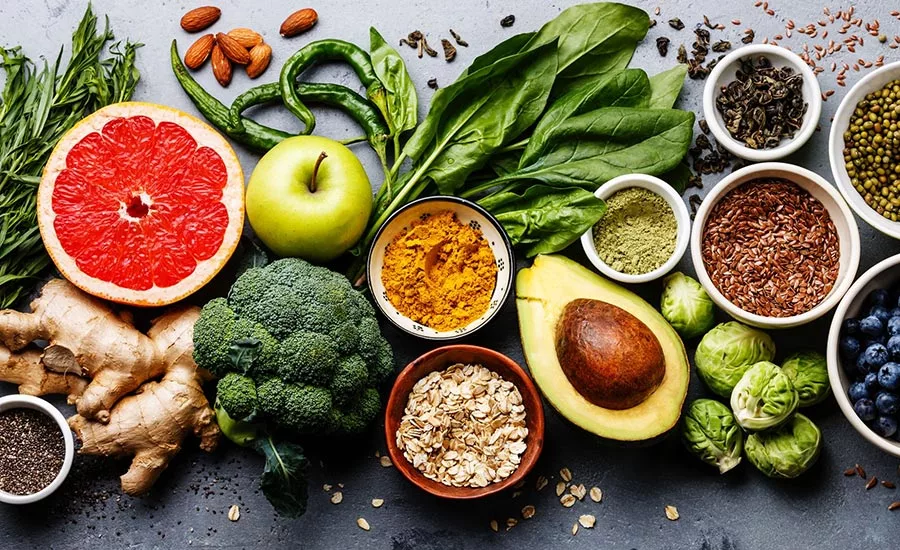
Research chefs are benefiting from an expanded toolbox of ingredients to bring on an extra shot of flavor.
PHOTO COURTESY OF: International Taste Solutions, Ltd.
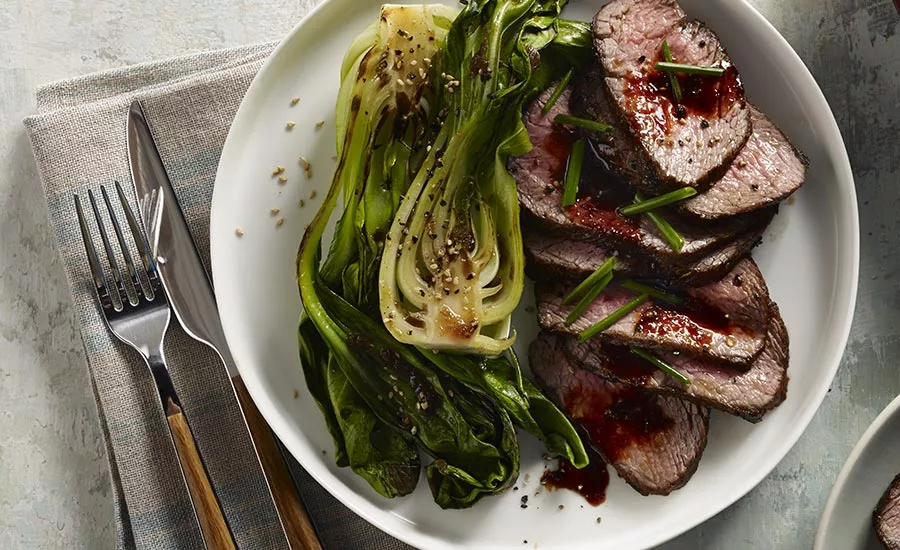
Protein fractions called nucleotides are natural boosters of savory and meaty flavors, ideal for sauces and rich meat preparations.
PHOTO COURTESY OF: CJ Bio America, Inc.
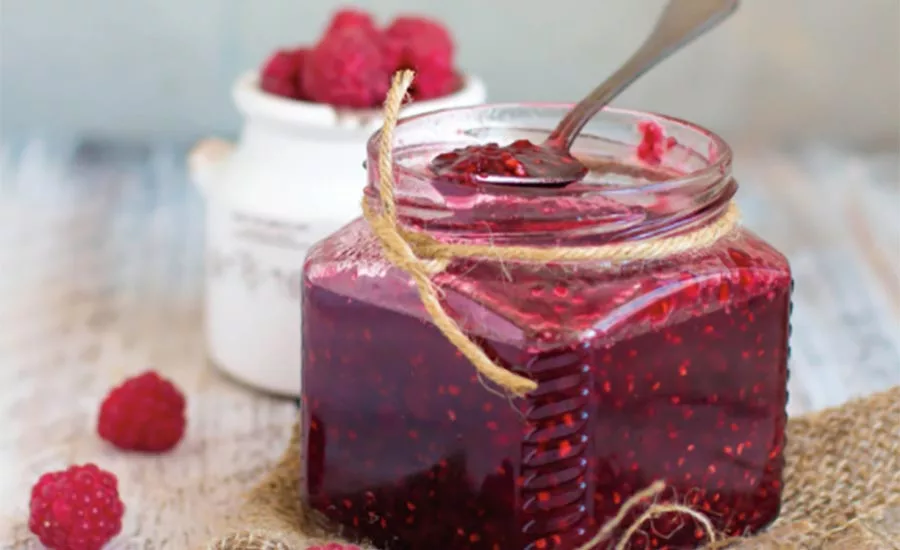
Fruit-based formulations can be naturally enhanced with clean-label sweeteners expertly blended to minimize off flavors.
PHOTO COURTESY OF: Batory Foods, Inc.
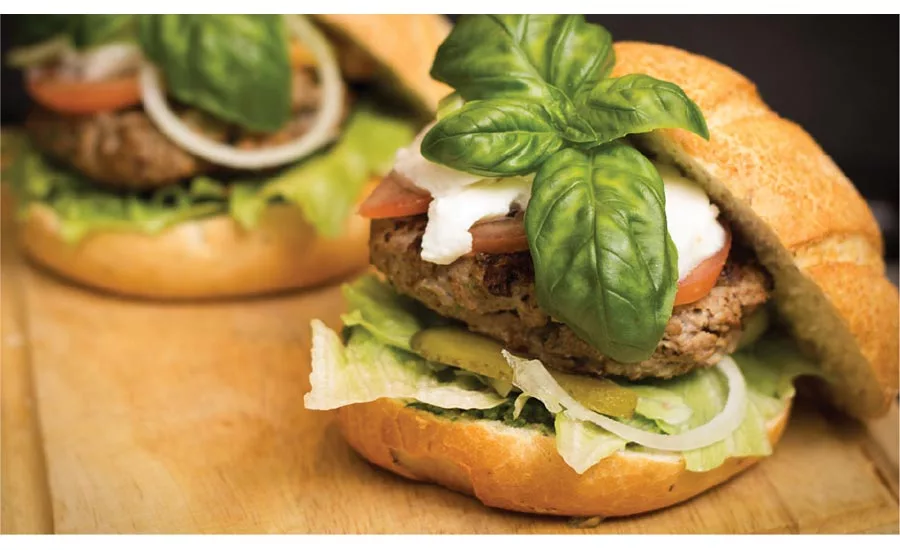
The key to effectively using spice extracts is to preserve the volatile oils that carry their fullest flavor.
PHOTO COURTESY OF: Mane Kancor Ingredients, Pvt. Ltd.
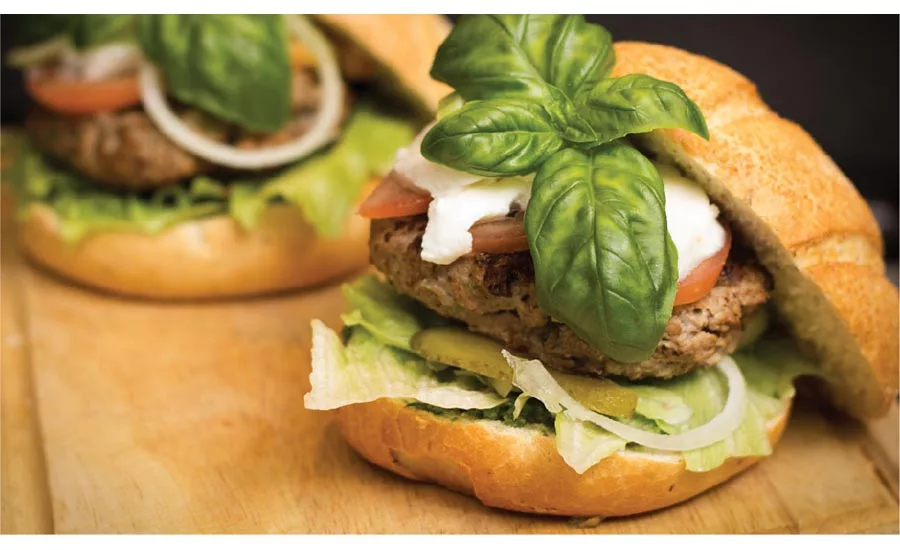
The oldest flavor enhancer, salt, is enjoying a big revival based on delicate infusions and functional crystal shapes.
PHOTO COURTESY OF: SaltWorks, Inc.

Mustard can be pungent enough to carry an entire formulation or subtle enough to even enhance sweet creations.
PHOTO COURTESY OF: Saskatchewan Mustard Commission
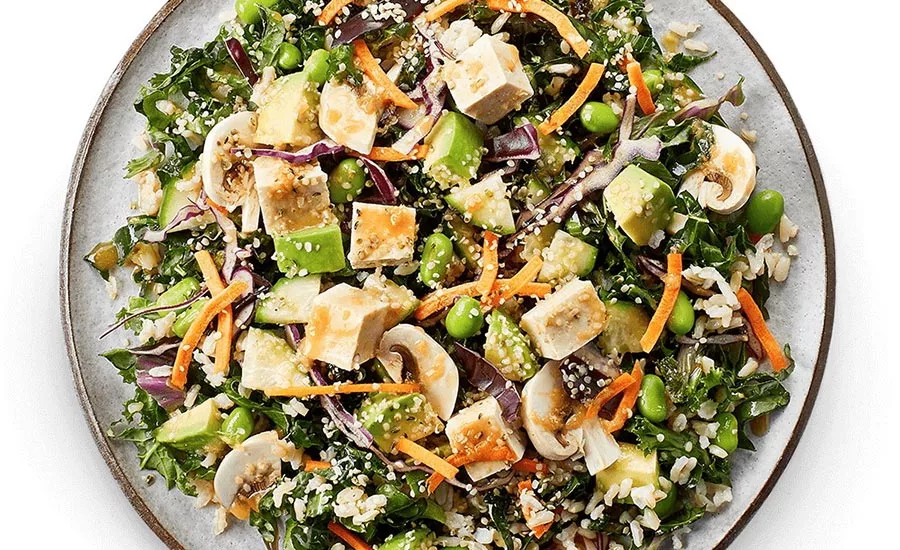
PHOTO COURTESY OF: Kerry, Inc.
Nearly every Old World cuisine holds the keys to building flavor, not only through indigenous ingredients but also through its cooking techniques. While batch production often necessitates shortcuts, it is possible to lose sight of the fundamentals that make culinary creation worthwhile. Fortunately, there is something of a revival happening in which even larger prepared food makers are reintroducing those basics of culinary art.
At one large frozen food manufacturer in France, a key facet of how they prepare their products lies in adhering to classically established French culinary principles. While remarkable in mass production, the chefs were still reducing, roasting, searing, and braising, etc., all while utilizing classic indigenous ingredients to attain their uncompromising flavor goals.
This true marriage of ingredients and technique is the foundation for boosting any flavor profile in product development and manufacture. A key aspect of the current food industry that is at once building off of and driving this paradigm is the trend in plant-based proteins.
Meat replacers and analogs lean heavily on umami. Mushrooms provide one of the most concentrated naturally occurring sources of umami’s main source, glutamic acid (a.k.a. glutamate). Shiitaki and enoki mushrooms are the most significant sources. Fresh, dried, or powdered, mushrooms are powerful players in umami.
“Glutamic acid is an important component in neurotransmission in the central nervous system,” explains flavorist, research chef, television host, and author Robert Danhi. “Enhancing flavors is a bit of a mind trick. Monosodium glutamate is not actually forcing flavors to awaken, rather it is bringing forth umami and making the food more appealing.”
Booster shots
Of course, the oldest flavor enhancing known is the use of salt or sweet. And both together have proven largely successful of late. But a fast-tracking trend is the “two-fer” of the inclusion of an extra flavor note in an infused or flavored salt or sugar. Not a few highly successful chip makers have created tortilla chips you can’t stop eating simply by the addition of lime- or chili pepper-infused salt.
Vanilla sugar has long been a baker’s favorite, but salts infused with cardamom, vanilla, ginger, coffee, and other sweet or contrasting flavors can bring an unexpected note to a food and bridge seemingly incompatible flavor notes. Smoked salts, on the other hand, add depth and umami aspects where the use of traditional umami sources might not work.
Apple, cherry, and alder wood-smoked salts are popular examples. They impact food with a sense of smooth complexity and are especially good at enhancing vegetarian products. Such light wood smoked salts on a crisp Neapolitan style pizza bring the air of a wood-fired oven to the consumer. Even in a dessert, such salts provide remarkable juxtaposition to a rich chocolate dessert.
Bolder wood-smoked salts, such as hickory and mesquite, evoke barbecue in even the simplest foods, such as grilled corn, sautéed root vegetables, potatoes, or even a vegan sauce or soup. Previous technology for smoked salts also infused harsh and bitter back notes, but new technology using cold-smoking techniques has allowed for a much clearer and distinct natural smoke flavor profile without any of the negatives.
From the top
Topical techniques are not difficult to employ yet have a big impact because any surfactant is also the first thing to touch the palate. It is highly perceived by the olfactory nerves due to the emanating aromas and the surprising immediate touch to the tongue.
Ingredients such as ginger, peppercorns and even certain nightshades can bring a subtle tingle or buzz to the tongue. These can be much desired when adding flavor to dishes without using glutamic acid sources. Intense herbs and spices like ginger, mint, and peppercorn are said to “enhance the feeling of eating” by exciting the trigeminal nerve and providing a sensation above flavor.
Similar to capsicum in chili peppers, unique outcomes of flavor, aroma, and even texture can be achieved by adding such flavor sources at specific points in development or production. Also, the format in which these flavors are used also plays a role in affecting the organoleptics of the final product.
Darker tones that come from cinnamon, nutmeg, allspice and star anise are usually added early to the process, giving way to slow cooking and development of long flavors. Lighter notes derived from more delicate spices such as coriander, fennel seed and even sweet paprika, should be considered into the formula later and with less process.
For example, there’s a distinct variation in using cumin. Whole toasted seed invariably gives a subtle pop of flavor and chew when added late in production. Untoasted, finely ground cumin gives a fresher, grassy variation of that spice added earlier in the production process. Coarsely ground cumin used as a rub for grilled meat or poultry lends yet a third distinct experience.
Another example is using a coarse cracked black peppercorn for visual appeal and bolder flavor sprinkled on an item prior to fast grilling. Or, smooth “toasted” notes from a fine ground pepper in a beef bourguignon. Then again, whole peppercorns included from the beginning in a slow-cooked soup or stew will find the spice developing its fruity notes as the botanical berry it is while its harsh heat diminishes into the background.
Acid trip
Acids are able to enhance flavor in a natural and healthy way. But they also provide health benefits. Vinegars have been trending high, and ingredient technologists make it possible to add a flavored or aged acetic acid’s performance in powder form. Infused, aged, and balsamic vinegars also can be reduced to syrups and, although that reduces the bright sharpness as well, it increases the flavor.
Most acids are used to control pH in foods, protecting them during shelf life stresses. Yet they are also powerful additions to flavor, helping to build craveable qualities and rounding out or completing flavors. Acids can also be subtle when appearing as a coated application on salt or sugar, creating a powerful double-acting seasoning. Still, they are most powerful when used as a surfactant, such as in a lightly sprayed coat on an item, hitting the palate first.
Acids are characterized by their variety and function. Some are simply tart and used to balance pH, very little extra value. Phosphoric acid pairs well with acerbic flavors and works well in beverages with sharp flavors. Lactic and fumaric acids are often used in dessert and bakery applications. Acetic acid appears in crisp pickled items and bright dressings. Apple-like malic acid adds a “juiciness” mouthfeel and tempers anything from a luscious tomato sauce to even a sweet dessert.
Short slurp
Wine flavors require experience in using. It is important to understand from culinary fundamentals why and how to use and apply various wines or wine flavors to the formulation. Wine is relatively subtle incorporated into a long, low, and slow preparation such as a stewed or braised dish, for example osso bucco. Still, its use is encouraged because it adds long and complex flavors, well-known in authentically prepared classical dishes.
Distilled brown liquors, especially bourbon and other whiskies, haven proven especially popular, particularly in the sauce and composed meal solutions category. They bring authentic smokiness and caramel notes to BBQ, braised and smoked meats, plant-based meat analogs. They also have been added to sweets such as confections, baked goods, desserts, nuts, and dessert sauces and maple syrup.
While most commonly liquid, powder, syrup-like reductions, and paste concentrates are available. While unprocessed spirits are highly volatile and evaporate, these concentrated formats will not burn off during high-temperature processing.
The malty bittersweet tones in beer flavors are familiar from batters for fried fish, pub-snacks, and similar breaded items, bringing both heightened flavor and cachet to these foods. Most often, concentrates are used as beer is mostly water. It would be very difficult to add real consumer-grade beer to a formula and have its qualities remain post process. Moreover, concentrating dark beers, especially porters and stouts, helps override the bitter notes that can negatively impact the final dish. Beer flavors harmonize well with flavors like BBQ and brown sauces, stews, and breaded items.
Soy story
Soy sauce (including powders and extracts) makes for powerful compounds that give amazing complexities and enhancements to dishes. Soy sauce is a crafted food product put together of several ingredients and fermented to create measurable levels of protein fractions, specifically amino acids, nucleotides, and peptides.
“Soy sauce and its derivatives such as tamari and fermented soy paste, can act as single-ingredient flavor-enhancement solutions,” says Danhi, who also is a leading expert on the culinary traditions of Asia. “It increases the perception of sweet and salty, decreases the perception of sour and bitter, and adds the irresistible umami component. It also increases the perception of the mouthfeel and fattiness of a dish and generally improves balance while extending the time you actually experience it on the palate.”
Important considerations when using soy sauce ingredients, according to Danhi, are quality, fermentation method, and forms. The sodium content also should be taken into account vis any additional sources of sodium. Soy sauce is a liquid, so adding to a dry product is possible, but a powdered version can be a better solution. Soy sauce can also be concentrated to add its qualities to a formulation without increasing liquid. The forms – liquid, powder, paste – have been processed for specific capabilities.
Similar to soy sauce, concentrates, extracts, and powders of tomatoes or mushroom can be flavor allies. They serve as natural sources of the same amino and peptide compounds, adding fullness and color to sauces, soups, snack products, and even certain juice beverages, among other applications.
For plant-based proteins, mushroom concentrates should be strongly considered. Available in a number of varieties and forms, mushroom ingredients are a great solution for adding umami to meat analogs, sauces, and composed dishes. Rich, deep meaty flavors can be achieve along with amber to brown, “cooked” colors adding to the capabilities of mushroom products. Liquid and powder concentrates would be best applied to these matrixes.
Another naturally occurring compound for rich ingredient solutions is yeast. In the form of extracts, flakes, and concentrates, yeast ingredients are extremely useful when building rich white-meat (poultry, pork) flavors and sensations. Yeast derivatives also help mimic the favorable tart notes in dairy products, such as yogurt or other cultured products or even cheese sauces.
The heat is on
Chili peppers are at the pinnacle of flavor boosting and currently a hot (pun intended) trend. They’re desired both for their health contributions and flavor experience – and the hit of endorphins derived from eating them. While many chili peppers contribute heat, flavor subtleties are distinct to each variety.
With the explosion of global flavors and ethnic cuisines in the West, product makers continue to one-up each other when it comes to adding heat. Increasingly, chips and snacks and other products are launched boasting fire from such superhot chili peppers as the Ghost Pepper (Bhut jolokia), Trinidad Scorpion, and Carolina Reaper.
Because of the variability of peppers in heat, flavor, and function it pays to work with experts who can ensure consistency of heat and flavor. Different batches of the same type of pepper – even different peppers from the same plant – can be quite different in their level of heat. (For more on chili peppers and other heat-seeking products, look for a special feature on the topic in next month’s Prepared Foods.)
The possibilities for adding and enhancing flavors in foods and beverages provide a wealth of opportunity for product developers. A tweak of spice here or a boost of heat there can be part of a simple reformulation that broadens a products appeal or extends its lifespan while attracting consumers always on the hunt for the next flavor trend. The above merely scratches the surface of what can be accomplished by giving a formulation that much-needed boost of flavor.
John Csukor has more than 30 years of experience in product development, culinary training, marketing, and purchasing. He has held senior positions with multiple CPG and food service companies as well as the US Marine Corps., of which he is a veteran. He received formal culinary education at Johnson & Wales University and the Culinary Institute of America. He is a member of the Research Chefs Association and American Culinary Federation. Reach him at info@korfoodhome.com or through www.korfoodinnovation.com.
Looking for a reprint of this article?
From high-res PDFs to custom plaques, order your copy today!


