Research Chefs are Refining the Art of Crafting Perfect Flavor Combos in Liquid Form
The variety of refined ingredients to accomplish a precise pairing of aroma, flavor, texture and mouthfeel has expanded significantly over the past decade, allowing for more formulation possibilities and user experiences
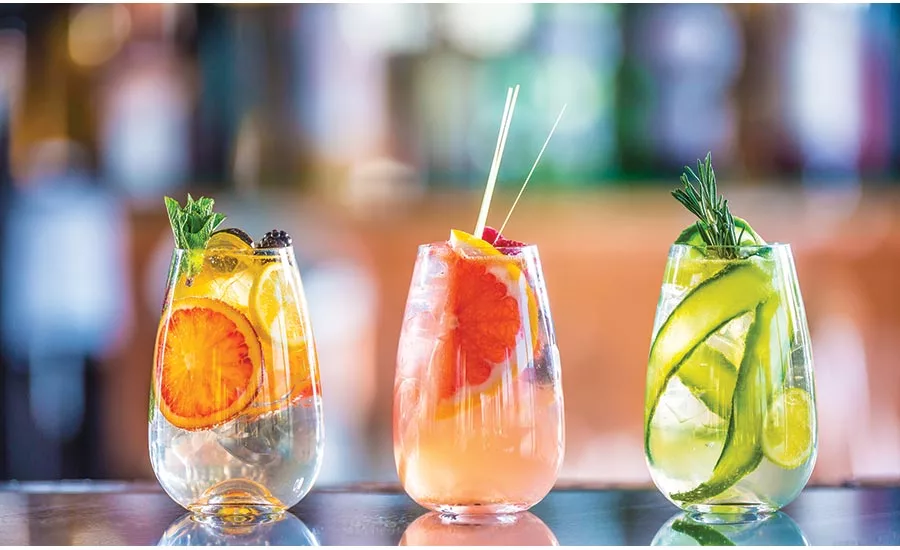
Precisely combining aroma, texture, mouthfeel, and aftertaste—go a long way toward developing perfect beverage flavors.
PHOTO COURTESY OF: FLAVOR PRODUCERS, LLC (WWW.FLAVORPRODUCERS.COM)
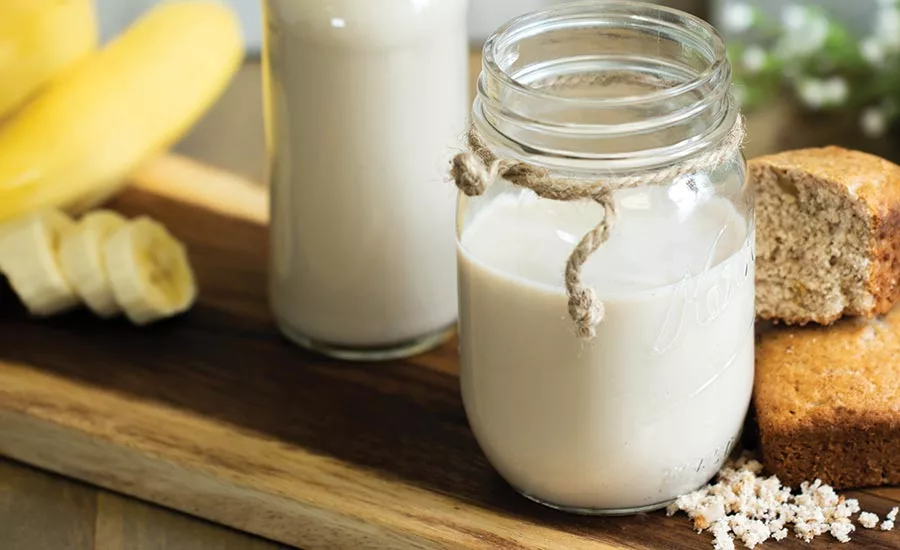
Combining the right natural texture enhancers with natural flavors is especially critical when working with plant-based beverages.
PHOTO COURTESY OF: INGREDION, INC. (WWW.INGREDION.COM)
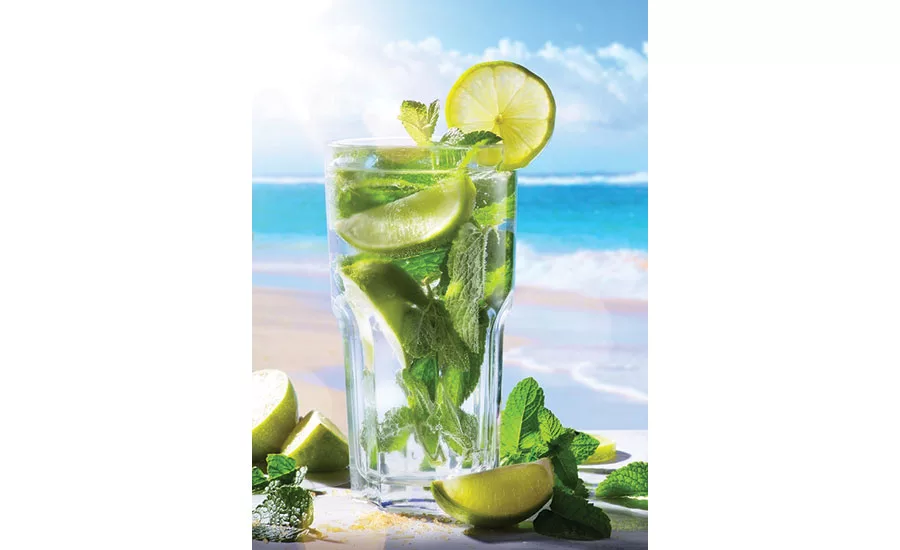
Consumers seek healthy indulgences with full flavor, and they want those flavors to be familiar and natural, even when inclusive of healthful botanicals.
PHOTO COURTESY OF: BLUE CALIFORNIA INGREDIENTS, INC. (WWW.BLUECAL-INGREDIENTS.COM)
Granulation size for sweeteners such as sugar, stevia, and erythritol – especially when combined – are crucial in beverage formulation, and moreso for powdered ready-to-drink products.
PHOTO COURTESY OF: TATE & LYLE, INC. (WWW.TATEANDLYLE.COM)
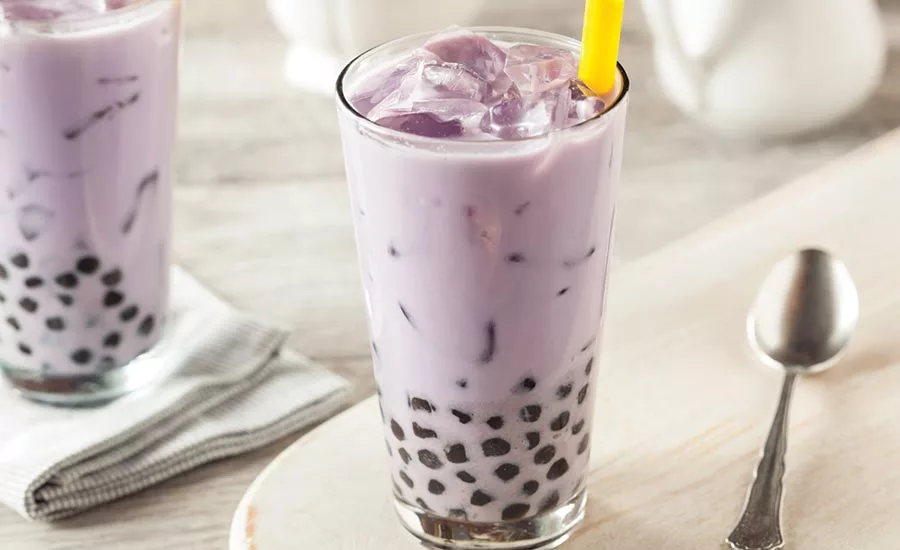
Authentic global flavors have continued to grow in popularity and appeal, especially when employed in beverages for health or indulgence.
PHOTO COURTESY OF: COMAX MFG CORP. (WWW.COMAXFLAVORS.COM)
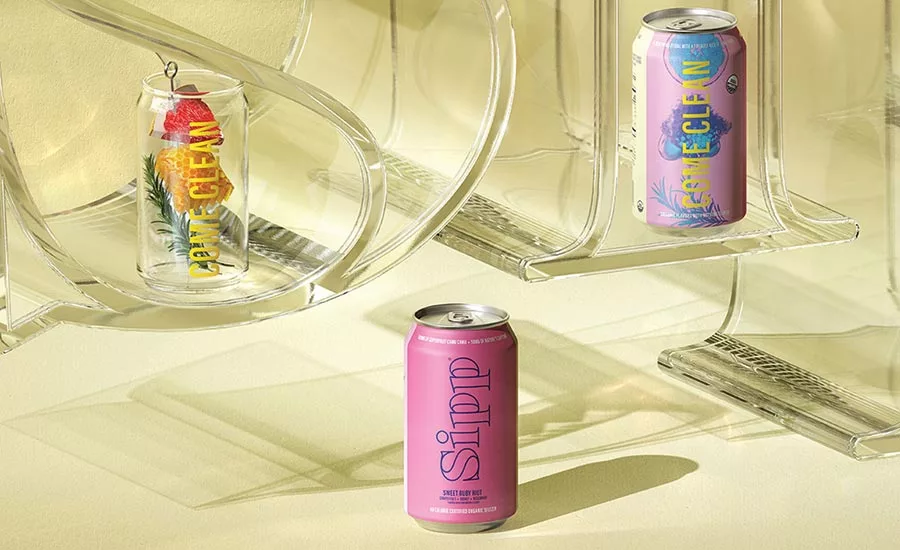
Tart but healthful exotic fruits, such as camu camu, can benefit from natural masking flavors. Most flavor vendors have several in their toolbox to help developers.
PHOTO COURTESY OF: SIPP ECO BEVERAGE CO, INC. (WWW.ENJOYSIPP.COM)
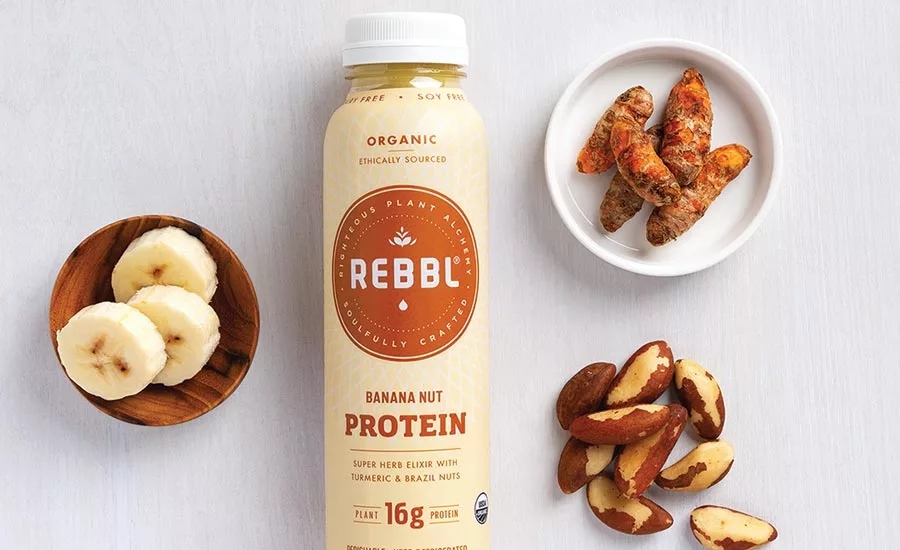
Beverage trends are increasingly impacted by consumers’ specific desires for indulgence, health, absence of perceived negatives (calories, allergens, artificial ingredients, etc.), or brand positioning.
PHOTO COURTESY OF: REBBL, INC. (WWW.REBBL.CO)
Precisely pairing aroma, flavor, texture, mouthfeel — and even aftertaste — can go a long way toward developing an optimal system for achieving the desired specifications and features of a successful drink. The variety of refined and/or clean-label ingredients to accomplish this task has expanded significantly over the past decade, allowing for more formulation possibilities and user experiences.
Consumers today are making beverage choices that are more personal. This means they’re seeking beverages that help address targeted needs, constitute an indulgence, or reaching for brands that align with certain societal perspectives. Those targeted needs can include self-improvement, connecting with social groups, or addressing health states.
As with any product, no matter what the impetus for purchase, the overriding factor for success is flavor. And within the current trends, the overriding factor in flavor for consumers is that it be “natural.” This applies not only to the flavorants themselves but to any sweeteners employed in the process.
In the past two years, the soft drink category has witnessed a dramatic rise in new product launches, according to Innova Market Insights. There was an 80% increase in 2018 and a 100% increase in 2019. These launches were primarily in the categories of Iced Teas, Meal Replacement/Other, and Concentrates/Mixes.
Botanicals, too, have been highly popular, too, as consumers continue to develop a more holistic view of health and want to tailor what they eat and drink to fit that approach. Increasingly, they are choosing functional beverage types, such as functional teas, smoothies, cold-pressed juices, kombucha, energy beverages, functional coffees and creamers, prebiotic/probiotic functional beverages, enhanced waters or seltzers.
NEW FLAVORS
Functional beverages currently trending have been flavored and/or enhanced with ingredients such as lemongrass, turmeric, cannabinoids, charcoal, ube (purple sweet potato), spirulina, aloe, elderberry, guarana, collagen, taurine, gingko biloba, and mint. Florals —elderflower, rose, lavender, chamomile, and the like — also have been appearing in more and more beverages.
Flavoring beverages to balance the inherent taste notes of such ingredients relies on identifying complementary flavors and sweeteners that create pleasant, well-rounded flavor profiles. Ingredients used in beverage formulation to address these objectives generally fall into the following categories: sweetener, acid, protein, vitamin/mineral, nutraceutical, stabilizer, suspension, buffer, flavorant, texturant, and masker/enhancer.
Whether the beverage medium is water, juice, coffee, tea, herbals, shakes, smoothies, cocktails, plant-milk, or dairy, each presents unique a challenge. Other considerations are whether the drink is to be still or sparkling, served hot or cold, or whether it addresses a specific consumer interest such as keto, sports/activity, health function, “free-from” (GMOs, allergens, artificial ingredients, organic, etc.) or some social aspect (sustainability, free-trade).
SWEETness first
Ingredients typically used in sweetener systems are refined and unrefined sugars (from a variety of plant sources) and natural and artificial high-intensity sweeteners (HIS). Standard sweeteners include refined beet and cane sugar, fructose, honey, maple sugar, and natural sugars from fruit juice concentrates. A recently available sweetener, carob sweetener, also is finding use in beverages.
Low- or non-caloric sweetener options include erythritol, sucralose, aspartame, acesulfame-K, monkfruit, and stevia (typically as rebaudiosides A, D, or M) to build body and baseline sweetness. Granulation size for both standard sugar and erythritol are crucial in beverage formulation specifically for powdered ready-to-drink products.
Sugar, as sucrose, remains the primary sweetener for beverages. The temporal profile of sucrose is a characteristic curve that has a moderate build, broad peak, and pleasant linger that falls away. The flavor itself is culturally ingrained so as to be a gold standard when it comes to sweetening. Fructose and the controversially misnamed high-fructose corn syrup are other common sugars used to sweeten beverages.
When trying to mimic sucrose with high-intensity or any other sweeteners, the “holy grail” is to match sucrose’s unique qualities as closely as possible. Non-caloric sweeteners have profiles that are expressly different than sucrose. Factors of deviation range from the rate of sweetness onset and lingering sweetness rate to bitterness, astringency, or chemical/metallic notes and other off flavors. Most high intensity sweeteners hit “all at once,” either early on the palate or with only a slight delay.
Developers prefer to combine high-intensity sweeteners either with each other or with a caloric sweetener to create a profile more similar to sucrose. One common combination found in powdered beverage mixes that has proven popularity is that of acesulfame-K and sucralose. These two, when hydrated, produce a synergistic effect that provides a pleasing sweetness. However, acesulfame-K is not a clean-label sweetener.
KEEP IT LOW
Sugar reduction and low-sugar beverage formulation options have been significantly expanded with the addition of allulose (D-psicose) labeling changes. Allulose, when paired with sugar, monkfruit, rebaudiosides, acesulfame-K, sucralose, and/or erythritol, can significantly reduce sugar use.
Allulose is a natural sugar derived from corn, beets, wheat, and other plant sources. It was released with a GRAS status 30g limit per day (currently under review), and can be used at a maximum of 3.5% of the total formula for non-alcoholic beverages. Even though allulose is only about 70% as sweet as sucrose, the usage rate allows for significant sugar reduction in most beverage applications. Applications of allulose have been used successfully in still teas, juice drinks, carbonated sodas, and nutrition products, achieving a sugar content reduction of more than 50%.
Clean-label, low-sugar beverages that typically use only monkfruit, rebaudiosides, or erythritol blends can be augmented with allulose. Formulators can replace erythritol partially or completely with allulose, depending on prototype sensory targets. Allulose has a cleaner finish than erythritol, which makes it preferable in high-protein and low-sugar protein drinks.
Solids and viscosity might need to be adjusted to account for adjustments in other sweetener systems. One aspect of sweetener use is beyond adding simple baseline sweetness is building body and mouthfeel. Both erythritol and allulose produce solid results in this area.
BLOCK THAT KICK
Natural high-intensity sweeteners, like stevia and monkfruit, can be used with flavor-masking systems to provide sweetness profiles with aftertaste management. Newer, more refined versions of stevia and monkfruit extracts are significantly improved over early versions and deliver a more desirable aftertaste, with fewer bitter or metallic notes.
Significant progress has been achieved with flavor masking, which has broadened the appeal of plant-based protein beverages and low-sugar beverage systems. Flavor maskers are very specific regarding what chemicals they are designed to mask. For example, a stevia bitter masker will not be effective at countering plant protein off notes. Flavor providers can partner with developers to help them address specific masking issues.
There are many natural masking ingredients to choose from. Vanilla flavoring and extracts can be used to help boost sweetness perception and richness in a beverage. For example, in most low-sugar protein beverages, the bitter notes and astringency from the protein source can be modulated by adding a rounding vanilla flavor or extract.
Madagascar and Mexican vanilla extracts are favored choices for flavor balancing. Natural flavors, natural vanillin, and other ingredients also can provide cost-efficient sweetness and flavor-
balancing options. Vanillas are especially useful in cocoa beverages to mask any bitterness from the cocoa itself, while rounding out the chocolate flavor.
Acid systems also are critical components in flavoring any formulation. Tea, coffee, juice, and fruit bases can be modeled to determine specific target flavor profiles and acid ratios. The manufacturing process or flavor profile will dictate acidified conditions, which can require additional flavorings and acid selections to meet user experience objectives.
Typical food-grade acids used can be either refined or naturally derived. Malic, citric and tartaric acids are used across a range of beverage types. Lemon, lime, acerola, and other fruit juice concentrates are also widely used as clean-label options. The ratio of acids, along with target flavor profile and sweetness system, make up the backbone of the beverage drinking experience from beginning to end.
Two emerging beverage areas that rely heavily on flavoring and acid systems are cannabidiol (CBD) and herbal beverage products. Both present particular challenges, depending on the target profile and desired product features. Makers of CBD-inclusive beverages that require authentic flavor notes associated with CBD could be hard-pressed
to find ingredients with the right flavor profile to complement CBD’s green/piney notes.
Lemon, lime, spearmint, hibiscus, and fruity flavors, such as raspberry or strawberry, seem to pair well with CBD. Other herbals, such as spearmint or hibiscus, can add depth and floral notes to complement CBD, just as they do when in a standard beverage offering.
The sweetener-acid-flavor triumvirate comprises the top of the base-beverage system. This is supported by the stabilizer, suspension, and mouthfeel systems. The complexity and development effort required is highly dependent on the target product and number/types of features.
PROTEIN INCLUDED
Among the most complex beverages in which to incorporate flavor systems are the high-protein and low-/no-sugar protein-based systems. The selection of proteins, viscosity, mouthfeel, nutrient profile, concentration (container size), and processing methods all have a dramatic impact on the approach.
Dairy proteins present challenges in stability, heat and acid sensitivity, etc., that precede flavoring. Plant-based proteins not only come with the same challenges as dairy protein but typically include challenging off notes and mouthfeel impacts due to insoluble fiber.
Selection of the appropriate process, flavor system, stabilizer (gellan and cellulose gums, gum acacia) mouthfeel (via fats/homogenization and added modifiers), and buffering systems (sodium, calcium, and potassium citrates) can go a long way toward achieving the desired product features and user experience.
For the beverage developer crafting either a comforting classic cola, a fruit-infused energy drink, or a calorie-free meal-replacement dairy or dairy analog beverage, working with ingredient suppliers to create the perfect flavoring system can save time and resources. Building a successful beverage is a modern challenge but those challenges have created exciting — and rewarding — flavor options.
Looking for a reprint of this article?
From high-res PDFs to custom plaques, order your copy today!


