Suggested Sodium Guidelines Confuse Consumers
New consumer research from the International Food Information Council signals knowledge gaps, consumption concerns and motivation to improve health
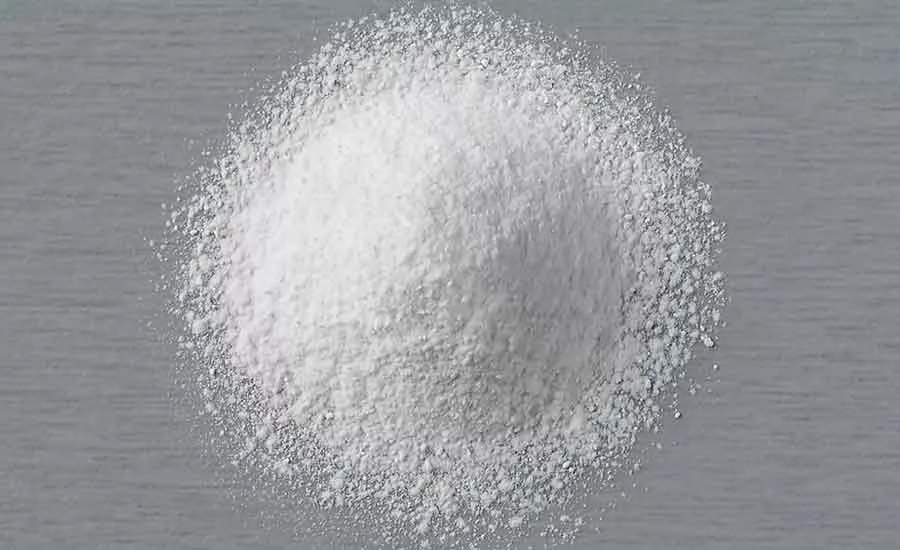
Salt (i.e., sodium chloride) has consistently been indispensable for preserving, improving texture and enhancing flavor of our food, in addition to sodium’s role as an essential nutrient in human nutrition. But despite these benefits, excess dietary sodium intake is linked to health issues, such as high blood pressure, heart disease and stroke. The International Food Information Council’s (IFIC) latest Spotlight Survey: American Consumer Perceptions of Sodium In The Diet dives into the US consumer mindset, their knowledge of how much they consume contrasted with the recommended amounts, and trusted sources of information about sodium.
“Effective communication begins with understanding consumers’ knowledge of sodium recommendations and their perceptions of just how much sodium they believe they consume every day. After conducting our research, we unveiled major knowledge gaps when it comes to individual sodium intake and dietary guidance recommendations. These insights are critical in educating the public and ultimately, improving public health.” -- Wendy Reinhardt Kapsak, MS, RDN, president & CEO, IFIC
Dietary guidance suggests that American adults should consume no more than 2,300mg of sodium per day, however the average American adult consumes about 3,400mg. In fact, according to National Health and Nutrition Examination Survey (NHANES) data, nine out of 10 Americans consume too much sodium. More than 70% of the sodium that Americans consume comes from packaged and prepared foods, while about 11% is added during cooking or eating.
According to the latest IFIC consumer research, when Americans consider sources of sodium in their diets, 29% say the top source is packaged foods, such as canned food or frozen meals. Nearly four in ten say their top sources of dietary sodium are the salt added during cooking (22%) or while eating (15%).
“Our research showed us that people tend to think their sodium consumption matches dietary guidance. They think their current intake is consistent with sodium recommendations,” Milton Stokes, PhD, MPH, RD, FAND, Senior Director, Food & Nutrition at IFIC, explained.
According to the latest IFIC Spotlight Survey, nearly half (48%) of Americans admit they do not know how much sodium is recommended to consume per day. The other half (52%) convey their awareness of the daily sodium recommendation—most perceiving an amount consistent with either the Upper Limit (2,300 mg/day) or the Adequate Intake (1,500 mg/day) for sodium, or an amount less than that.
The ambiguity continues as half of Americans also do not know how much sodium they consume each day. When asked about their personal daily sodium consumption, 48% of Americans say they simply “don’t know,” while estimates vary widely for the other 52%.
“Some of the sodium uncertainty could stem from the way sodium is measured and recommended. Milligrams per day may not be intuitive to consumers. In addition, messages around sodium recommendations may not make it through in an actionable way,” said Stokes.
While most Americans recognize the need to limit sodium intake, according to IFIC data, few follow through or fully understand how to effectively manage their consumption. Thirty seven percent are “currently limiting sodium” in their diets and 17% are “interested in limiting sodium but have not yet started.” Alternatively, 4 in 10 say they do not think about sodium in their diets.
For those who are limiting sodium intake, improving overall health was the top motivator, followed by managing a current health condition (33%), a “healthcare provider recommended it” (31%), and “to reduce water retention” (30%).
Actions consumers can take when looking to reduce sodium intake would be limiting the amount of salt they add to their food while cooking or eating, reading the Nutrition Facts Panel, and looking for “low in sodium” labels on packaged foods. In fact, Americans expressed positivity toward foods and beverages advertised “low in sodium,” and among shoppers who check Nutrition Facts for sodium, 31% said they would choose the lower sodium product and 26% said they would purchase the healthier option.
“Something that can’t be overlooked when we’re talking about sodium reduction strategies is that the appeal of sodium lies in its ability to enhance the flavor of food,” Stokes said. “Salt makes food taste good. It augments sweetness and reduces bitterness. And we know that according to nearly two decades of data from IFIC’s Food & Health Survey, taste is the leading purchase driver for food and beverage decisions. It’s hard to argue with that.”
While sodium is an essential nutrient, it remains over-consumed, and many Americans are looking to limit it in their diets. There is an opportunity for educational efforts around recommended amounts of sodium and measuring daily sodium intake. When asked about trust in a variety of potential sources for information about consuming sodium, consumers put health professionals and health organizations and agencies at the top. More than 4 in 10 (44%) said they trust medical or nursing professionals; health organizations (43%), such as the American Heart Association; registered dietitians/nutritionists (35%); and US government agencies, such as the Food and Drug Administration (30%).
Choosing reduced-sodium or sodium-free ingredients is a great option, while cooking techniques, such as roasting and grilling, as well as adding herbs and spices, elevate flavor while helping reduce sodium. Ingredients, such as potassium chloride (KCl) and monosodium glutamate (MSG), are among the more well-studied ingredients that can be used to enhance flavor while also reducing sodium content. Furthermore, increasing under-consumed food groups, including fruits, vegetables, and dairy, will help improve American diet quality by increasing intake of beneficial nutrients, such as potassium, to counteract the effects of sodium on blood pressure.
Looking for a reprint of this article?
From high-res PDFs to custom plaques, order your copy today!


