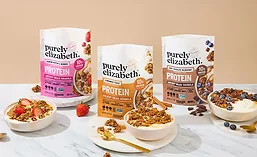
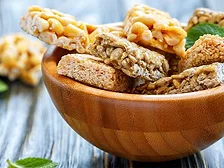
Purely Elizabeth is entering the protein-focused snacking space with a whole-food approach to granola formulation. Made with ingredients such as pumpkin seeds, almonds, cashews and chia seeds, the new line combines protein, fiber and ancient grains in gluten-free, vegan formulations designed to balance functionality and flavor.
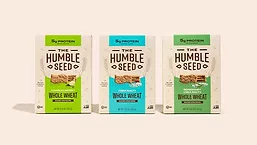
The brand’s new Whole Wheat Protein Crackers combine a blend of hemp, chia, flax, pumpkin, sesame, and sunflower seeds with whole wheat flour for a crunchy, satisfying snack.
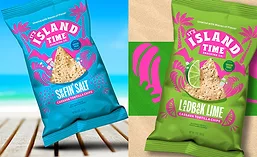
Island Time Chips are reportedly light yet crispy, with a subtle, natural flavor. Included among the snack's clean ingredients are cassava flour, avocado oil, and chia seeds while also remaining free of seed oils.
Made by chia experts who harnessed the extraordinary power of chia seeds, this creamy, nutrient-rich milk alternative combines sustainability, nutrition, and versatility.
In 2021, trends toward health and plant-based foods are driving product developers to formulate a wave of new products with grains and seeds. According to Innova Market Insights, grain product launches had a 7% average annual growth rate in the period from 2014 to 2018.
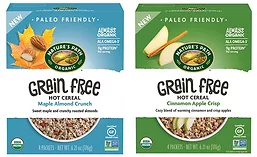
Each grain free hot cereal is rich in ALA Omega-3s
December 14, 2020
Nature's Path launched its first grain free hot cereals to inspire everyday breakfast. The two nutty, protein-rich hot cereals, Maple Almond Crunch and Cinnamon Apple Crisp, blend plant-based watermelon seed protein with nutrient-dense, healthy fats to jumpstart the day.
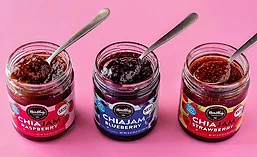
The new jam is allergen-friendly, gluten-free, peanut-free, low in sugar, and high in fiber
October 30, 2020
Healthy Crunch, a Canadian-based company, launched a Keto-Certified Chia Jam. The launch coincides with the company's flavorful line of Seed Butters. Both products are allergen-friendly, gluten-free, peanut-free, low in sugar, and high in fiber.
Chia powder is a cost-effective, clean-labelway to help Americans solve the dietary fiber gap
September 18, 2020
Five years after the FDA and USDA identified Americans’ significant fiber gap as one of our country’s primary health issues, it appears we’re no closer to solving the problem. The average American consumes just 12g of fiber, less than half of the recommended 30-32g daily amount.