The average American eats 7.4 pounds of peanuts each year and peanuts are staying relevant with younger generations as the favorite nut of millennials. But what are today’s trends with peanuts on menus and how can those ideas be adapted in prepared foods? Here are three key applications ripe for exploration:
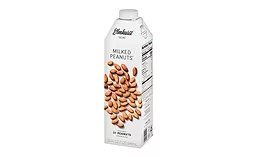
Elmhurst Milked Peanuts are non-GMO, gluten free, vegan, dairy free, lactose free and kosher
February 19, 2018
Over the past eight years, the National Peanut Board has been working to help bring peanut milk to market and into the homes of peanut lovers across the country.
The Peanut Institute recently held a symposium presenting the latest research on peanuts and indications are that the peanut is the most nutrient-dense of all nuts—not just in calories from protein, carbohydrates and healthy fats but vitamins, minerals and other functional compounds.
Children's allergies to peanuts, dairy and other foods cost the U.S. nearly $25 billion a year.
September 30, 2013
Expenses associated with buying special allergen-free foods, placing children in allergy-sensitive schools and making special arrangements for child care in facilities that are willing to banish peanuts represented a total $5.5 billion.
Children of those who ate peanuts and tree nuts while pregnant were less likely to develop asthma or allergies than the kids whose mothers shunned nuts.
Enjoy Life’s take on a handy snack is not only free of gluten but of all eight of the common allergens. Containing 40% less fat than leading potato chips, Plentils are made from high-protein lentils, long regarded as one of the best sources of plant-based protein and a staple in diets around the world.
Chinese authorities have detected a cancer-causing toxin in peanuts and cooking oil that was only recently discovered in milk, in the nation's latest food safety scandal.