The brand is repositioning hydration to address broader consumer needs beyond athletics. The shift highlights opportunities for clearer messaging and lower-sugar formulations in a crowded category.
PepsiCo introduced its first corporate rebrand in nearly 25 years, uniting its 500-plus food and beverage brands under a modernized identity. The update signals a strategic alignment around consumer-centric design, ingredient transparency, and sustainable growth.
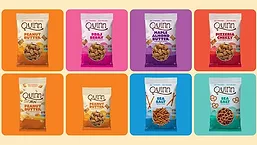
With vibrant colors, simplified messaging, and a fresh visual identity, Quinn’s updated design makes it easier than ever to find snacks made with purposeful, never-anything-artificial ingredients.
The new logo thoughtfully borrows equity from Pepsi's past whilst incorporating modern elements to create a look that is unapologetically current and undeniably Pepsi.
Transparency has become increasingly important to consumers and this has only been accelerated by the COVID-19 pandemic. In response, consumer packaged goods manufacturers are working harder to convey trust and communicate more stories behind their products and brands. This messaging—found everywhere from product packaging to social media and websites—involves topics of ethical sourcing, environmental stewardship and “clean” healthy ingredients.
Although there may be a pandemic-related slowdown, there’s no stopping new product development targeted at the commercial and non-commercial foodservice sectors. To help readers with new product development strategy, Prepared Foods asked Jeff Miller, founder and CEO of Cutting Edge Innovation, to create a thought leadership series connecting R&D strategy to foodservice sales. Cutting Edge Innovation advises on foodservice strategy, sales, business development, and innovation. Miller also created an online course, “Turbocharge Your Foodservice Sales.”