Cereals, Grains, and Inclusions are Coming Together into Better-For-You Breakfasts
Healthful ingredients such as heritage grains, seeds, and legumes, as well as inclusions like nuts and dried fruits, make contributions to the whole cereal package
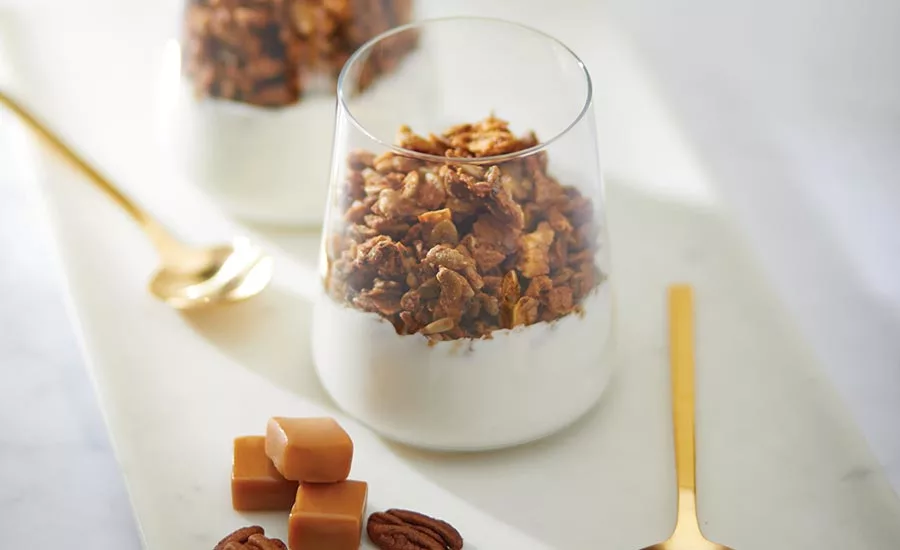
Healthful heritage grains and seeds are remaking the whole cereal package.
PHOTO COURTESY OF: NATURE’S PATH FOODS, INC. (WWW.NATURESPATH.COM)

High protein, high fiber, gluten-free, and no sugar – yet all the fun, flavor, and crunch – hit every mark in a well-designed “keto” cereal.
PHOTO COURTESY OF: CATALINA SNACKS, INC. (US.CATALINACRUNCH.COM)
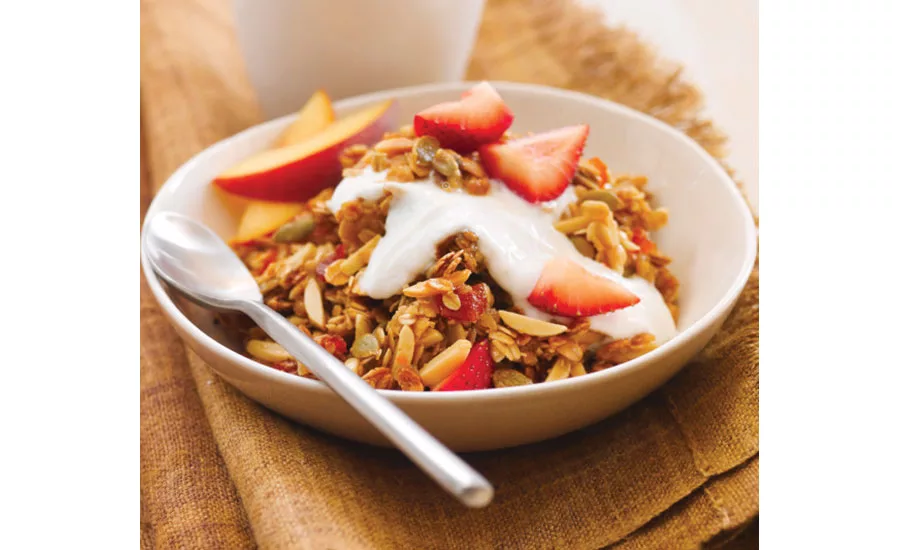
Almonds, always popular inclusions, are expanding their value into better breakfasts via gluten-free and keto almond flour.
PHOTO COURTESY OF: BLUE DIAMOND GROWERS (WWW.BLUEDIAMOND.COM)
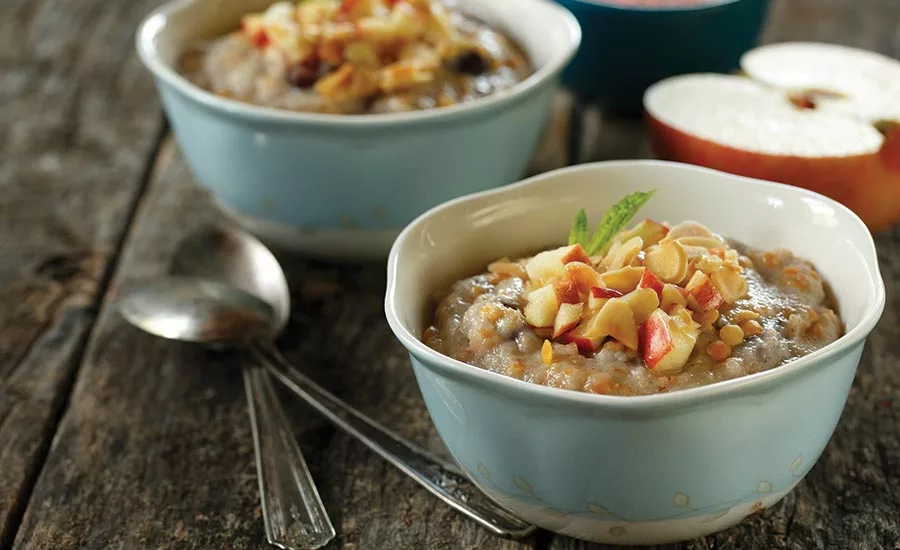
Lentils, peas, beans, and other legumes are the new darlings of breakfast, boasting high protein and minerals, no gluten, and untapped versatility.
PHOTO COURTESY OF: PULSE CANADA (WWW.PULSECANADA.COM)
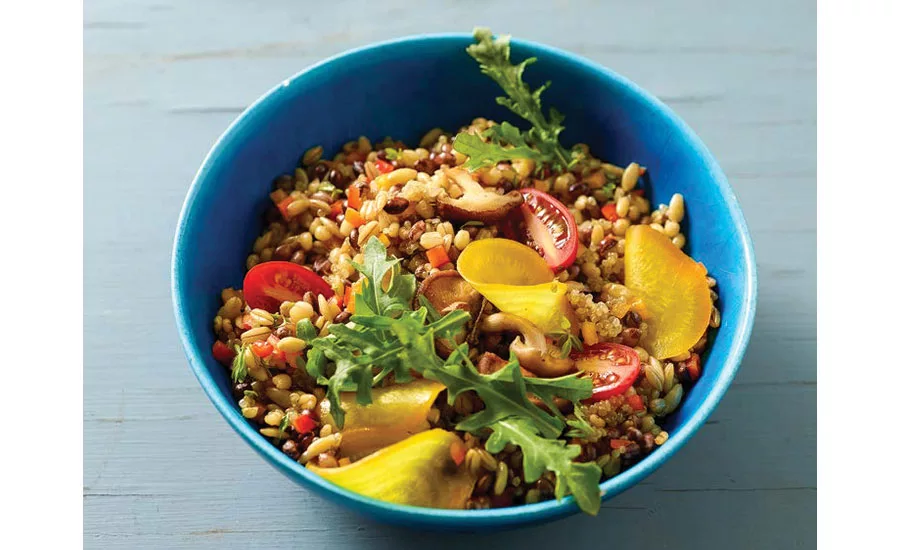
Whole cereal grains are for more than breakfast; their nutty filling flavor lends them perfectly to healthy savory dishes.
PHOTO COURTESY OF: ARDENT MILLS, INC. (WWW.ARDENTMILLS.COM)
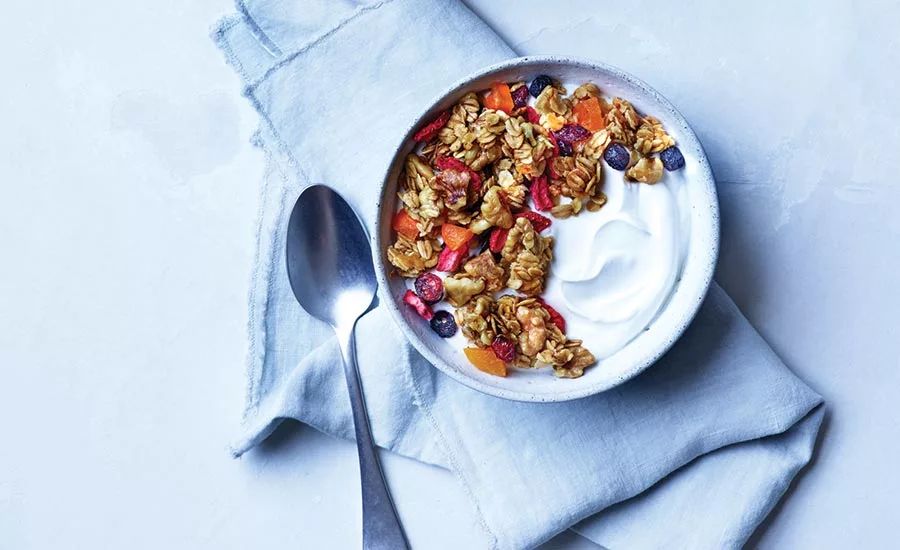
Nuts, such as walnuts, are important turn-to ingredients for adding protein, healthful fats, fiber, and minerals – and attractive flavor profiles.
PHOTO COURTESY OF: CALIFORNIA WALNUT BOARD (WWW.WALNUTS.ORG)
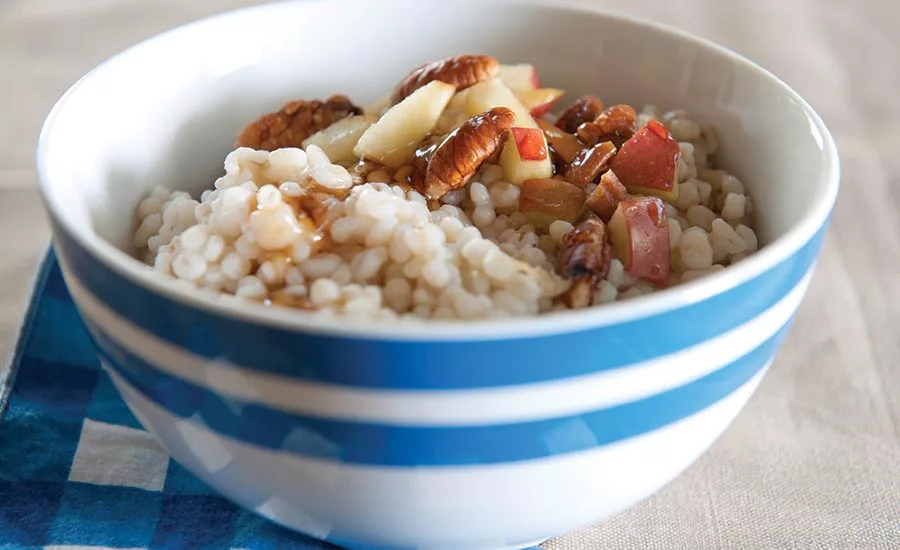
Ancient, nutrient-dense grains such as barley are enjoying a popularity boom among breakfast food makers.
PHOTO COURTESY OF: ALBERTA BARLEY GROWERS (WWW.ALBERTABARLEY.COM)
There was a time when cereal companies focused on milling and puffing grains to market and sell the latest and greatest cereal. Fast-forward 70 years and consumers are eating cereal at all times of the day. More importantly, today’s cereal lovers are seeking more nutrition from cereal, whether hot or cold. This is where healthful ingredients such as heritage grains, seeds, and legumes, as well as inclusions like nuts and dried fruits, make their contributions to the whole cereal package.
“The global breakfast cereal market is forecast to expand 3.0% per year, to $40 billion by the end of 2023,” according to a report by research group Packaged Facts. The report further states that the growth is being “supported by an ongoing shift toward value-added products that target health-conscious consumers in mature markets and increasing breakfast cereal penetration in developing markets.”
With cereal increasingly becoming an “all-day” food, it has evolved into a food with shared properties of indulgence and nutrition. Even the most indulgent of brands are working to appeal to consumers seeking healthier, less processed ingredients, according to the “Global Breakfast Cereals” report by Packaged Facts.
“Niche breakfast cereals cater to health trends such as gluten-free, keto-friendly, paleo, and organic/non-GMO. To add value and give products a health halo, cereal brands incorporate ancient grains, superfoods, probiotics, or seeds and nuts,” the report points out.
The addition of nuts and dried fruits to grain bases in cereal production not only appeals to a demographic seeking health and convenience, it also appeals to those who are tired of dense bars and nutritionally void snacks. In a survey by the Almond Board, consumers stated they “liked that almonds make cereals crunchier (44%), more nutritious (38%), tastier (35%) and higher quality (33%).”
One interesting trend is the merging of popular pre-sweetened “kid” cereals and the healthful “grown-up” types. “Gen Z and Millennials increasingly are reaching for sweetened cereals as a snack and as a tastier and less costly alternative to nutrition bars,” says Kantha Shelke, PhD, senior lecturer at Johns Hopkins University and principal of Corvus Blue, LLC, a Chicago-based food science and research firm. “But the addition of toasted grains, seeds, nuts, and dried fruits is making them more appealing to this demographic and their offspring.”
Cereal & Granola 2.0
Health-minded younger generations focusing on higher protein and fewer simple carbohydrates have pushed makers of RTE cereals, hot cereals, and cereal-like snacks such as granola and trail mixes to turn less to refined flours and more toward nuts, legumes, and seeds to boost protein content and other healthy properties. Moreover, other sources for the base ingredient in these items have extended far beyond the oat granola that held the pole position for so many years.
As cereal manufacturers seek to add higher levels of nutrition, traditional corn, wheat, and rice are making way for by ingredients like sorghum, millet, amaranth, and quinoa. Cultivated since the beginning of agriculture, these ancient grasses and seeds were replaced over time by selective breeds of wheat in Western countries. That is changing as consumers ask for wheat replacements.
Tiger nuts, nut-sized tubers from a sedge common throughout the Eastern hemisphere, are a unique ingredient used for flour, extruded cereals, and grain-free granola. The high-protein, high mineral tiger nut has been cultivated since Neolithic times, but it recently was rediscovered and is a perfect crop for poor soil conditions.
Legumes, too, have made inroads into cereals, with high-protein chickpea flour proving itself excellent for extruded cereals and for contributing a toasty, nutty flavor profile as well. Other legumes making it into RTE cereals have included red beans and pinto beans, although such cereals still remain on the fringes of both availability and consumer attraction.
Sweet Moves
While sweetened RTE cereals, hot cereals, and cereal-like snacks such as granola and trail mixes traditionally relied on sucrose, honey, and maple, in keeping with the drive toward healthier products, other sweeteners – caloric and non-caloric – are now making inroads. “Old-fashioned” sweeteners such as sorghum, molasses, and malt syrups are enjoying a renaissance, and fruit syrups and even sweetener blends with zero-calorie stevia and monkfruit are appealing to processors of cereal products shooting for a healthier appeal.”
Corvus Blue’s Shelke has been particularly interested to see cereals such as Native States Foods, Inc.’s Purely Pinole Power Breakfast hot cereal line. The convenient, high-protein, high fiber mixes claim to be developed with an “ancient Aztec blend” that, according to the company, is based on a cereal that was popular among the Tarahumara Indians of Mexico, known as the “running people,” who ate the cereal for energy and endurance to run hundreds of miles between villages.
Purely Pinole cereals start with anthocyanin-rich purple maize with 30% more protein than common corn varieties, more fiber, and a host of other nutrients. The inclusions comprise a veritable superfood shopping list and include blueberries, goji berries, coconut, pistachios, maca root, almonds, dates, sacha inchi, and chia. The cereals are flavored with cocoa, ginger, and turmeric.
Cereals Go Nuts
Almonds, pecans, and walnuts are a cereal formulator’s top choices for adding crunch, texture, flavor, and nutrition. Each nut within this trio is known for providing a whole form of plant-based proteins and alpha-linolenic acid (ALA) – the plant-based essential omega-3 fatty acid.
Nuts, and particularly the skins surrounding nut kernels, provide prebiotic fibers that support digestive health and beneficial microflora. Nuts also provide a rich source of polymerized polyphenols (ellagitannins and proanthocyanidins), which have demonstrated antimicrobial activity against pathogenic bacteria in the gut.
Taking a cue from the gluten-free bakery sector, nut flours and protein powders are other differentiators in the cereal category. Almond protein powder is ideal for fortified cereals and cereal bars because of its magnesium, phosphorus, manganese, and copper, as well as being a good source of protein, fiber, potassium, calcium, iron, and zinc. Almond flour contains health benefits similar to those of whole almonds, including protein, fiber, antioxidants, and healthy fats, and it serves a reliable substitute for traditional flours.
Nature’s Path Foods Inc., took the nut ingredient concept full tilt with the launch of its grain-free granola line made entirely of nuts and seeds. The ultra-crunchy cereals, which resemble sweet snack clusters, include nut and cassava flours, and are held together and flavored with coconut syrup and coconut oil.
Nature’s Path’s grain-free cereal line includes caramel pecan, coconut and cashew butter, maple almond, and vanilla poppy seed varieties. The ingredient list for each is lean in order to appeal to whole-food customers with the primary nut or seed variety and the addition of pumpkin seeds, sunflower, and/or chia seeds.
These cereals appeal to consumers following a keto diet or those who are simply trying to reduce their intake of refined grains. “We saw many Nature’s Path consumers striving to adhere to a keto diet, and others who just wanted to cut down on certain grains,” says Joe Graham, Nature’s Path brand director. “We wanted to create a product that addressed these needs, while also still being delicious and healthy and our grain-free line ticks all the boxes.”
Fortify Me
As companies seek to reduce traditional flours and refined grains in cereals, the downside becomes that some brands might no longer be fortifying the cereal with nutrients such as folic acid and other B vitamins. Including customized premixes not only can compensate for the losses but also can allow product makers to add other important nutrients — such as iron, zinc, and vitamin D — that are deficient in the diets of many Americans.
Folate fortification in these cereal-based products is crucial, especially for women of childbearing years, to avoid neural tube defects in unborn children. “We should not be telling people to avoid fortified cereals just because they are processed,” emphasizes Julie Jones, PhD, distinguished scholar and professor emerita of Foods and Nutrition for St. Catherine University, St. Paul. Jones cites a 2018 study that concluded, “women with restricted carbohydrate intake were 30% more likely to have an infant with anencephaly or spina bifida.”
While that study’s researchers noted that more studies are needed to fully understand the pathways that might increase risk of neural tube defects, Jones remarks, “the completely anti-processed food camp is dangerous and too simplistic.”
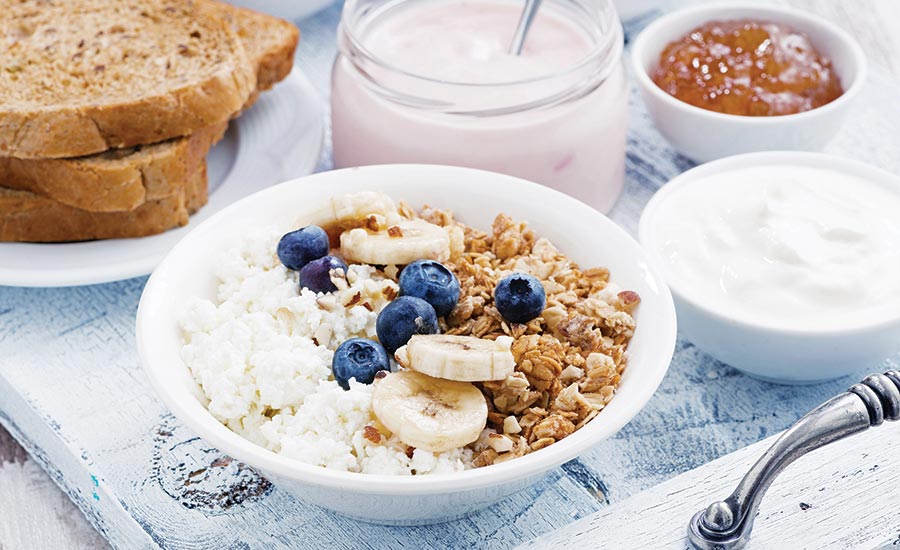
Natural, healthful fibers such as inulin boost the nutritional value of breakfast favorites without negatively impacting taste or texture. PHOTO COURTESY OF: BENEO, INC. (WWW.BENEO.COM)
Old is New
In recent years, sorghum experienced a revival thanks to its versatility, mild flavor, whole-grain status, and gluten-free properties. While sorghum is available in white, bronze, red, and black varieties, the latter two are popular among food manufacturers because they contain higher levels of antioxidants. “Certain waxy sorghums with a starch matrix known as amylopectins are better suited for cereal extrusion processes and uniform grain cuts,” says Jennifer Blackburn, external affairs director, United Sorghum Checkoff Program.
Silver Palate Kitchens, Inc., has exclusive licensing rights to a black, high-tannin sorghum discovered by Texas A&M University. Branded as “Onyx Sorghum,” the grain is used in the company’s Grain Berry cereal line. Peter Harris, president and CEO of Silver Palate, explains the choice was made by his father, Robert Harris, the former chairman of the company. “He was looking for a new healthy cereal ingredient and black sorghum came out on top,” says the younger Harris. “Onyx sorghum is significant for two reasons: it is higher in antioxidants than pomegranates, blueberries, and red wine, and secondly, it digests slowly and therefore slows sugar absorption.”
As a crop, sorghum is remarkably drought tolerant and uses far less water than other cereal grains and grasses. The Grain Berry cereals appeal to older, health-conscious consumers as well as parents of young children because the offerings are 30-70% lower in sugar than other similar cereals.
The resurgence of ancient grains has provided a new playground of vibrant colors, fibrous textures, and earthy flavors for cereal makers seeking a new spin on old ingredients. Popular examples include millet and amaranth.
Millet, with its corn-like flavor is ideal for creating light and airy puffs, as in Arrowhead Mills puffed millet, or for adding to bran cereal formulations such as Nature’s Path Millet Rice. Amaranth’s amino acid composition makes it a nearly complete protein that is relatively lower in starch than other cereal grains. Linoleic acid makes up more than 50% of total fatty acids.
Snack Away
With today’s consumers being busier than ever, cereal and cereal-like products provide a quick and filling snack. The category is now referred to as a “permissible” snack, without the same associative guilt as salty and sweet snacks. In a 2017 report, the research group Mintel revealed some numbers behind this conversion of cereal-type products into an anytime snack:
- 74% of cereal consumers eat cereal as a snack.
- 56% of Millennials (ages 23-40) eat cereal as a snack at home.
- 32% of Baby Boomers (age 53-71) are at-home cereal snackers.
- 22% of iGeneration (age 18-22) enjoy cereal on the go.
Quinoa, a seed that’s also referred to as a pseudo-cereal, contains 8g of protein, 5g of fiber, 58% of the RDA for manganese and 30% of the RDA for magnesium. Popped quinoa, a single ingredient cereal, is now popular in France, but has not yet caught on in the US with the same vigor, although Pereg Natural Foods Co. released a puffed baby quinoa cereal in 2017. The company also brought out a porridge made from the tiny African grain teff in that same year.
Consumers want more crunch. That’s why cereal companies added clusters to familiar brands by binding bits of oats, nuts, and seeds to create the desired tooth and texture that cereal eaters crave. For example, last year General Mills, Inc., introduced Fiber One Strawberries and Vanilla Clusters with 35% of the daily recommended intake of fiber. Also in 2019, Kellogg Co.’s Kashi Food Co., while launching Maple Brown Sugar Flakes & Clusters, shifted the name of its flagship brand “Go Lean” to “GO” to reflect consumers’ desires for energy-fueled foods.
Cereal Futures
As cereal moves away from the breakfast table, trend spotters like Shelke predict consumers will see more formulations that reduce sugar and slow digestion. This means formulators will continue to use ingredients like roasted beans, savory nut butters, and pea proteins.
“This new positioning of breakfast cereals is an opportunity to enhance their appeal to people who seek foods with more than just convenience, sweetness, and crunch. The range of textural and taste attributes that people seek in their discretionary foods is a call to breakfast cereal makers to identify nutritious ingredients and new processes to provide the sensual textures that one identifies with rich and creamy desserts and crispy fried foods,” says Shelke.
Shelke praises those formulators who have stretched out their ingredient selections to include flavorful and faraway ingredients like baru nuts from Brazil (which taste like a blend of peanuts and cashews with a hint of cocoa), watermelon seeds (upcycled ingredient from beverage makers), roasted chestnuts, pine nuts, chickpeas, sesame seeds, candlenuts, and tiger nuts.
One consumer hurdle for the more novel cereals is the price. Some of the newer brands cost anywhere from $6-12 per package. “The nutritional profile of cereals with added seeds, nuts, and dried fruits may be distinctly superior to those of traditional cereals made with refined carbohydrate as the lead ingredient, but the price point further emphasizes the not-so-affordable image of healthful foods,” says Shelke.
Although the sector is different than it was when we grew up, the magic of the cereal box (or bag) is still alive and well. And, as consumers reinvent cereal as more than a morning meal, the sector will continue to evolve and appeal to everyone at any time of day or night.
This article originally appeared in the February 2021 issue of Prepared Foods as Better Breakfasts or Cereal Upgrades.
Looking for a reprint of this article?
From high-res PDFs to custom plaques, order your copy today!


