The Power of Immunity
Nutritional modulation of the immune system may help reduce or delay the onset of diseases

Some three-quarters of natural immune protection is linked to digestive health.
PHOTO COURTESY OF: Deerland Probiotics & Enzymes, Inc.
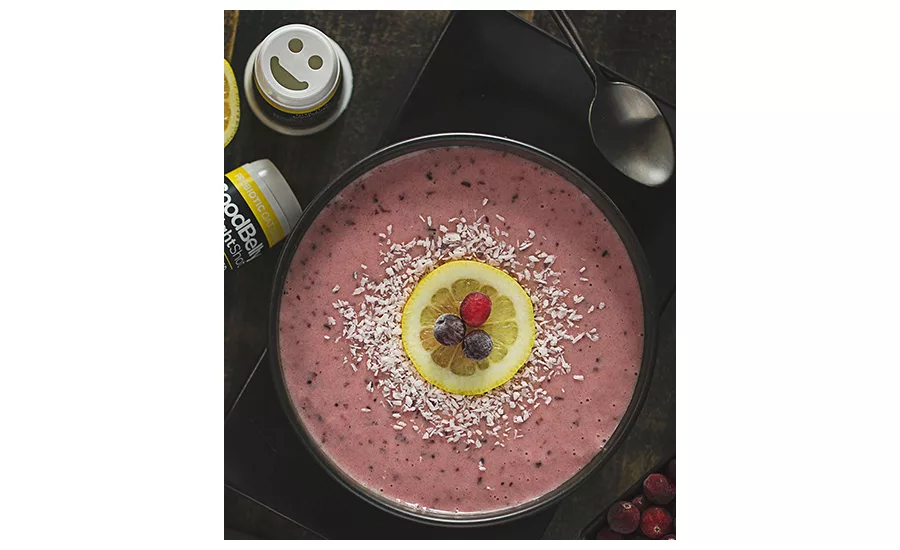
With a healthy and regular digestive system being one of the most important immunity organs in the body, probiotics are key players.
PHOTO COURTESY OF: NEXT FOODS, INC. (WWW.GOODBELLY.COM)
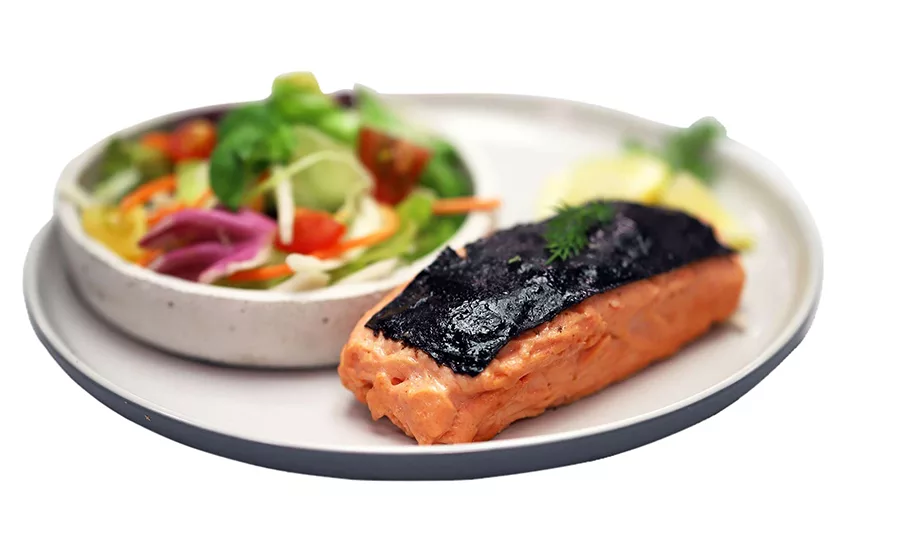
Prebiotic fibers have the dual advantage of being superb texturants, especially important in boosting the health profile of plant-based analogs.
PHOTO COURTESY OF: Planteneers, GmbH

When it comes to boosting intake of beneficial microbes, consumers consider functional foods and beverages superior to supplements.
PHOTO COURTESY OF: Deerland Probiotics & Enzymes, Inc.
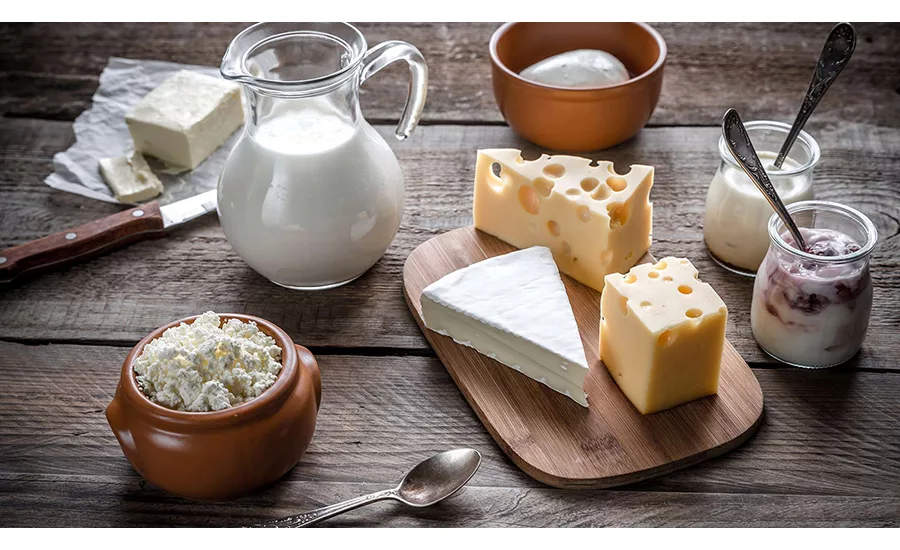
A strong microbiome from cultured dairy and other probiotic sources is important, these products also provide key vitamins and minerals to support immunity.
PHOTO COURTESY OF: Shutterstock for Dairy Management, Inc.
With the increased consumer interest in immune health, product developers are focusing on ingredients for helping to maintain, support, or boost immunity more than ever before. According to a 2020 Probiotic Survey by the FMCG Gurus research arm of M&R Insights Ltd., the number of consumers in North American stating that they purchased probiotic products in the 12-month pre-Pandemic period between 2018 and 2020 rose from 45% to 61%.
Such immune health ingredients generally fall into six main categories: probiotics, protein, botanicals, fungi, pre-and postbiotics, micronutrients and lipid-based nutraceuticals. Of these, the most heavily studied and well-researched are the probiotic bacteria, the prebiotic fibers that feed them, and the new class of digestive health ingredients known as “postbiotics.”
Digestive Health is now recognized by consumers as the primary dietary avenue to greater immune health. And, while scores of bacterial species and strains have been identified as providing direct or indirect advantages to healthy function of the digestive system, and thus immunity, with the number of contenders growing faster than a microbe culture on a petri dish, new discoveries are bringing some modern fine-tuning to the world of probiotic immunity.
Colonialist mentality
The key to successful probiotics is their ability to survive the digestive process in sufficient numbers to form colonies. Among the most-studied colony-forming probiotic organisms, two genera have stood out for a number of years, Lactobacillus and Bifidobacterium.
Probiotic ingredient scientists are discovering or creating new strains at a fast clip. Two recent examples are Bifidobacterium lactis-HN019 and Lactobacillus rhamnosus-HN001. These two have been branded “super-strains” after more than 60 combined human clinical trials revealed a range of benefits, especially to digestive health, and immunity, but also concerning skin health, women’s health, and even post-natal depression.
Another recent member of the Bifidobacterium genus, B. longum BB536, is making news due to studies showing that it can help stabilize the gut microbiota and work synergistically with other microorganisms to provide specific health effects.
Although popular, Lactobacillus and Bifidobacterium are by no means the only types of beneficial bacteria to become favorites of immune health product developers. Saccharomyces, a genus of fungi and some yeasts, contributes troops of its own in the battle for better immunity. Specifically, Saccharomyces-boulardii has gained attention for its demonstrated ability to improve gut health dysfunctions ranging ranges from loose stools to leaky gut, as well as protecting the g.i. tract from infections and mitigating symptoms from same.
Other clinical studies have shown that S. boulardii could upregulate enzyme production in the brush border of the intestines, specifically stimulating the digestive enzyme diamine oxidase (DAO), which also degrades histamine, an immune response compound produced by the body in response to pathogens.
Eat this, bacteria
Prebiotic fibers and similar complex carbohydrates have been trending high, especially the previously less familiar ones such as beta-glucans (from mushrooms, seaweed and algae, grains, and yeast) and resistant starch (from high-amylose corn, wheat, tapioca, and green bananas).
So, too, are the medium-chain saccharide polymers—not only the popular inulin and other fructo-oligosaccharides (FOS) but also galacto-oligosaccharide (GOS), xylo-oligosaccharide (XOS), galactomannan (typically from locust bean gum, also known as carob fiber) and glucomannan (typically from konjac, and also known as mannan-oligosaccharide, or MOS).
Gums also have been catching the “better for you” product developer’s eye when it comes to immune health. When acacia gum was shown to have strong enough prebiotic action to merit official approval as such, it brought attention to other gums.
A 2019 article in the journal Bioactive Carbohydrates and Dietary Fibre, “Prebiotic potential of natural gums and starch for bifidobacteria of variable origins,” investigating natural food thickeners as “useful potential prebiotics” noted that “locust bean, guar, tragacanth, and arabic gums represent possible prebiotic sources for Bifidobacteria.”
Leftovers again
While those prebiotic fibers are joining the more established ones like cellulose, maltodextrose, and others, the digestive health and immunity scene recently welcomed to the tool kit ingredients termed “postbiotics.”
These include deactivated probiotics and byproducts of prebiotic fermentation, especially the short-chain fatty acids (SCFAs) butyrate, propionate, and acetate, studied for their ability to help induce and extend satiety, modulate blood sugar levels, and protect against certain colon cancer types. Fermentation of prebiotics also creates lipoteichoic acids, peptidoglycans, and exopolysaccharides. In research, these compounds have demonstrated immune-modulating capacity and have been shown to counter pathogenic compounds.
A number of research papers have supported postbiotics’ ability to aid in promoting satiety and blood sugar and blood lipid management, as well as their anti-inflammatory action, especially inflammation along the digestive tract. They also have exhibited antioxidant capacity.
Another of these byproducts, phenylalanine-butyramide, is being used to elevate butyrate in the bloodstream as work as an active anti-inflammatory. It also is odorless and flavorless, and so can readily be incorporated into foods and beverages.
Even as the recent driver of consumer interest in immune health eases, the interest itself is expected to remain. For that reason, we can expect the flow of immunity-targeting foods and beverages to continue apace. Watch this space for future articles covering the botanicals, fungi, and other ingredients supporting immunity.
With thanks to Liz Isenring, PhD, for her help on this article. Dr. Isenring is an advanced accredited practicing dietitian and honorary adjunct professor at Bond University. A specialist in immunity through nutrition, she also is director of LINC Nutrition and may be reached via www.drliznutrition.com.
Let’s Get Small
A key manufacturing technique for protecting immune-enhancing activities of sensitive ingredients—especially live ones like probiotics—is microencapsulation. This covers small solid particles, liquid droplets or gases in a coating. Microencapsulation has been used to ensure viability of probiotic bacteria in commercial products. Several authors studied the probiotic strain survival under simulated gastrointestinal conditions) and similarly for liquid based products such as dairy products developed a technique to protect Lactobacillus delbrueckii ssp. bulgaricus by encapsulation of different lipid emulsions.
Looking for a reprint of this article?
From high-res PDFs to custom plaques, order your copy today!


