Tariff Surge Sparks Packaging Price Fears Across Food Industry
President Trump’s move to double steel and aluminum tariffs to 50% raises alarm among can makers and food producers
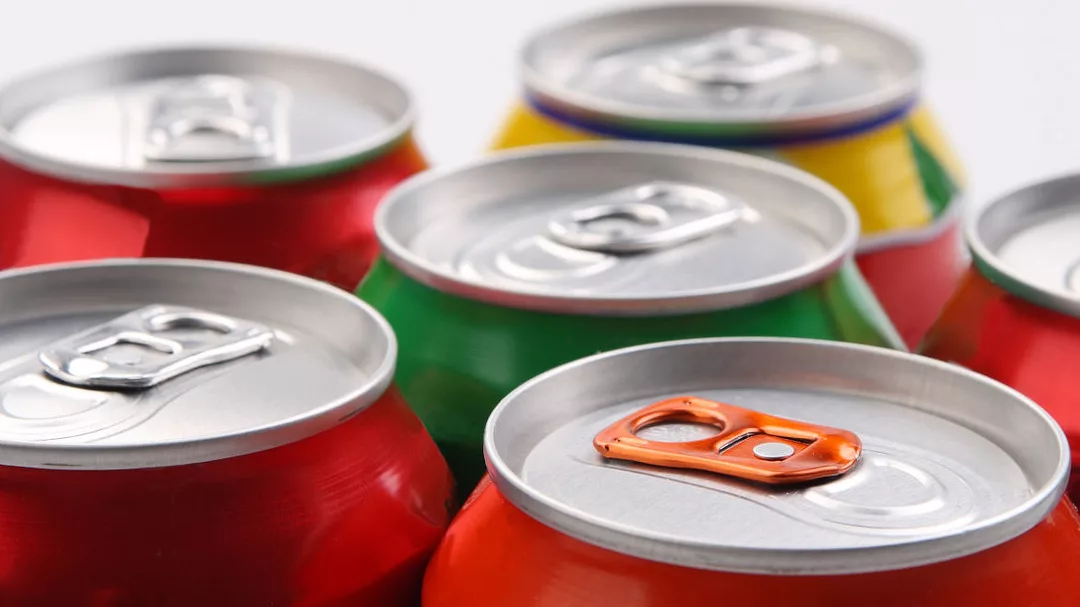
IMAGE COURTESY OF: Getty Images

IMAGE COURTESY OF: BlueTriton Brands
The food industry is bracing for impact to supply chains as President Donald Trump increased steel and aluminum tariffs to 50% on Wednesday. Food and beverage packaging supplies across categories could be affected by the tariff jump. Elevated duties could prompt pricing shifts among metal packaging manufacturers who produce caps and closures as well as foil products.
Experts warn that hiking tariffs on steel and aluminum could result in further increase at grocery store retail outlets.
Robert Budway, president, Can Manufacturers Institute (CMI), issued the following statement in response to President Donald Trump announcing a doubling of steel tariffs from 25% to 50%:
“The Can Manufacturers Institute supports President Trump’s decision to allow the combination of US Steel and Nippon Steel, but we strongly oppose any action that would raise steel tariffs to 50%.
Doubling the steel tariff will further increase the cost of canned goods at the grocery store. This cost is levied upon millions of American families relying on canned foods picked and packed by US farmers, food producers, and can makers.
A series of unfortunate decisions over the past eight years by domestic tin mill steel producers led to dramatic cuts that have decreased US production of the specialized steel used in can making by 75%.
As a result, domestic can makers and canned food producers now import nearly 80% of tin mill steel from trade allies. Doubling steel tariffs will inflate domestic canned food prices, and it plays into the hands of China and other foreign canned food producers, which are more than happy to undercut American farmers and food producers.
Ultimately, these metal tariffs put our nation’s food security at risk. We are asking President Trump for targeted tariff relief, on tin mill steel and aluminum produced by our allies and used in the production of cans that are made in America.”
According to Reuters, trade talks between the United States and European Union advanced quickly on Wednesday, as the new US metals tariffs triggered another disruption in the global economy and added urgency to the negotiations.
Looking for a reprint of this article?
From high-res PDFs to custom plaques, order your copy today!


