
Articles by David Feder , RDN


Paradigm Shifts in How Consumers and Product Developers Understand and Use Food Ingredients
A needless demonization of salt, fat, meat, and sugar has given way to a new focus on moderation
Read More
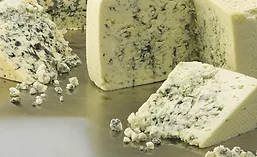
Cheese has a Solid Place in Today's Health and Diet Trends
American consumers seek foods that contain vital components, while providing high satiety, long-lasting energy and flavor.
Read More
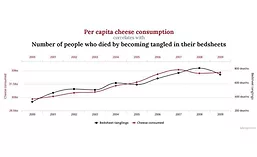
Misinformation in the Field of Nutrition
Correlations are not necessarily indicative of causation
Read More

Cheese: Where the Action Is
Cheese is a premium protein option for new snacks; shines as a key ingredient in salad kits and dressings in perimeter departments.
Read More
Nutrition Marches On
The Academy of Nutrition and Dietetics should be at the forefront of composing, guiding, and helping monitor nutrition messages
Read More

Bright is Back: Color Makers are Expanding the Rainbow
Consumer mandates place new burdens on the natural colorant palette
Read More

Creative Condiments and Sauces are Making a Splash
Sauce makers have plunged in to meet such demand-based trends as organic, gluten-free, non-GMO, and allergen-free
Read More
2019 PREDICTIONS
2019 Crystal Ball for Food Product Development
R&D professionals continue to discover ingredient value through rigorous study and data collection
Read More

2019 Predictions: Proteins
The Push For Proteins Shows No Signs of Slowing
Protein Powers Up
Read More