The Hot Drinks Market: Some Like It Hot
The market for coffee, tea, cocoa, and other such beverages is heating up.
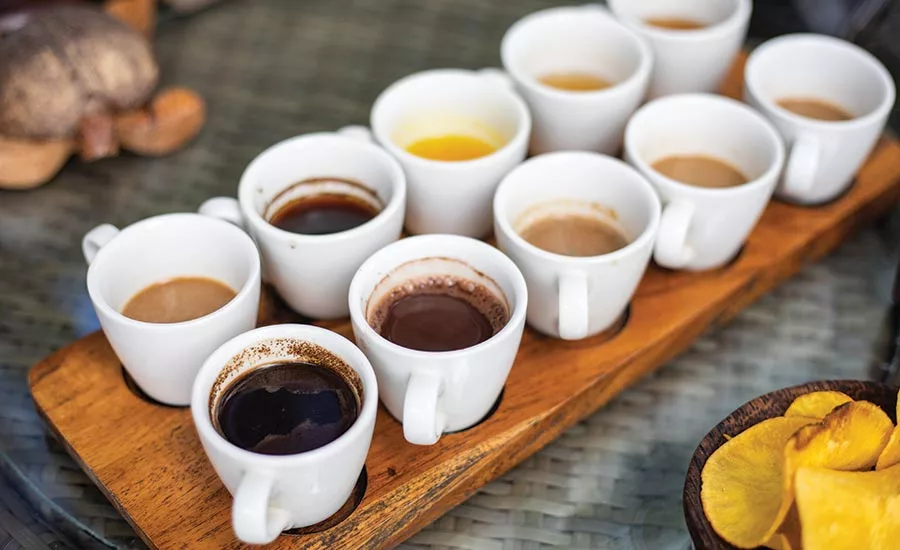
Formulators are mining successful confections, bars, meals, and snacks as inspiration for next-gen hot beverages.
PHOTO COURTESY OF: iStock/agrobacter (www.istockphoto.com)
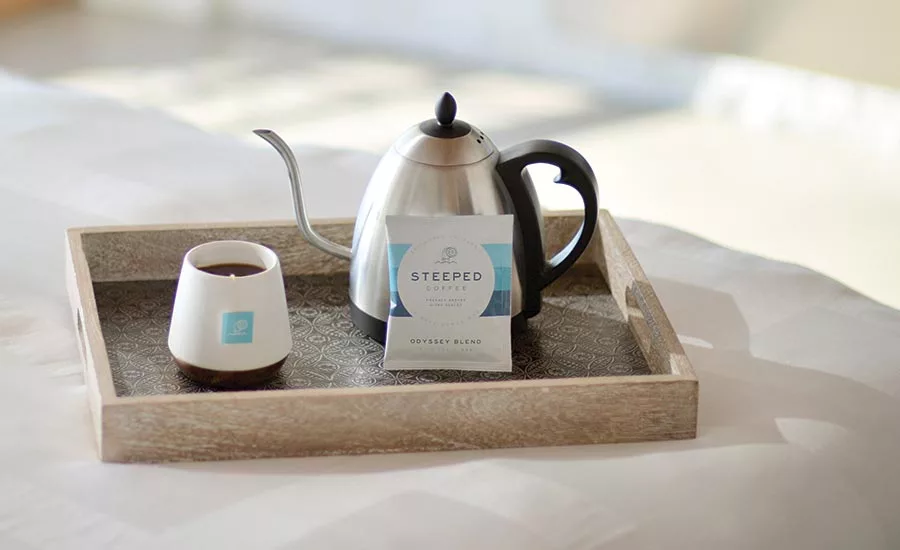
Beyond considerations of flavor, convenience, and fair trade, hot beverage makers are focusing on responsible packaging, such as compostable single-serve coffee packs.
PHOTO COURTESY OF: Steeped Coffee Corp. (www.steepedcoffee.com)
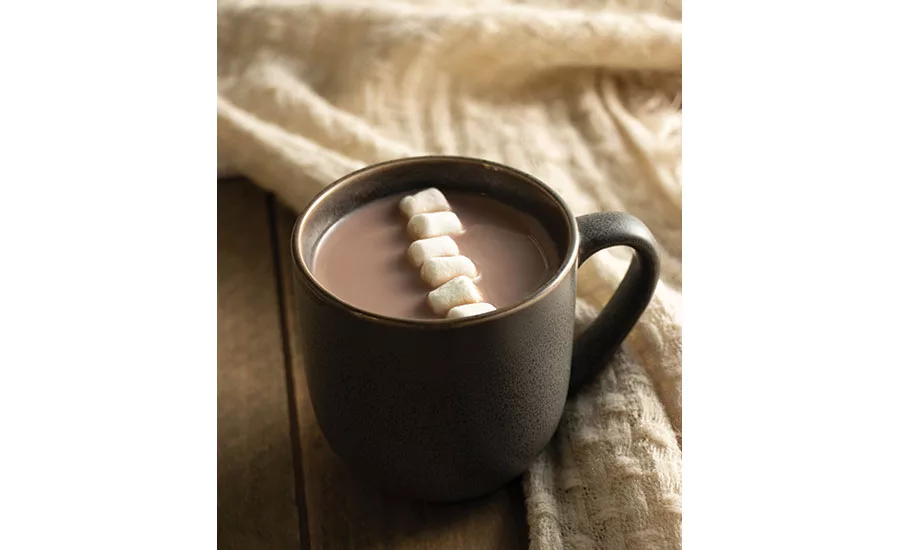
Texture and sweetener ingredient technology bring increasing creativity, nuance, and sophistication to today’s powdered hot beverage mixes.
PHOTO COURTESY OF: Ingredion, Inc. (www.ingredion.com)
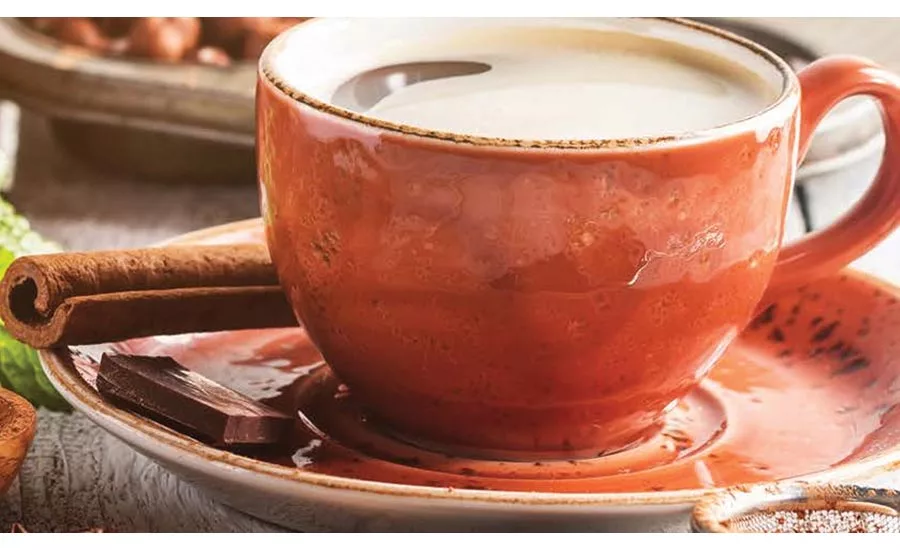
Clean-label, natural ingredients can help build a beverage that needs extra help for color or flavor.
PHOTO COURTESY OF: Dohler Group SE (www.doehler.com)
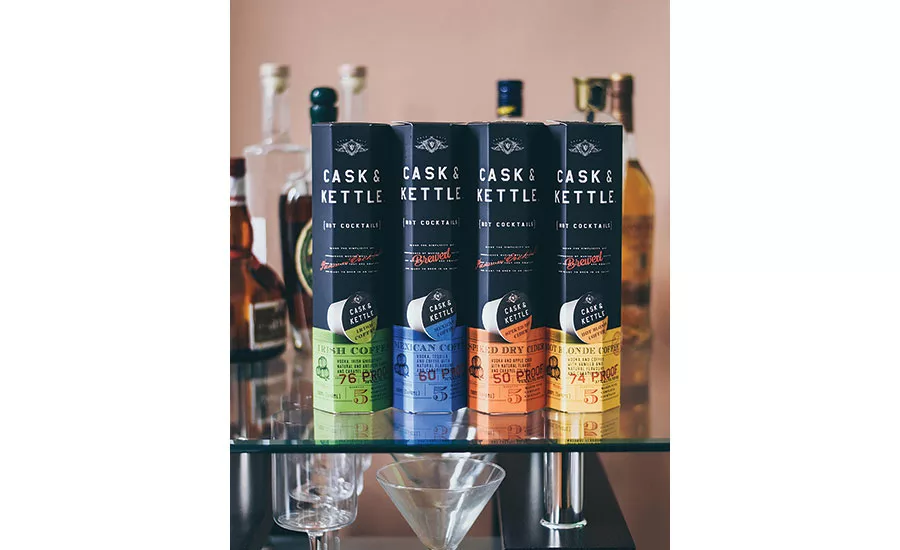
The ability to control the point of flavor release makes encapsulated flavors popular tools for developers of today’s hot beverages.
PHOTO COURTESY OF: Après Beverages, LLC/Cask & Kettle Homebrew. (www.ckhomebrew.com)
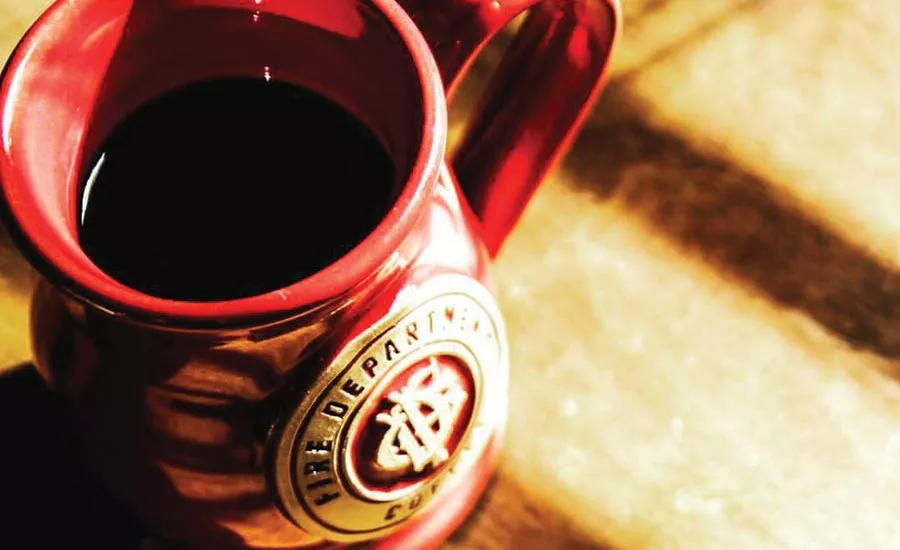
Coffee trends such as roast-to-order delivery, community support, tithing, and subscription services are keeping boutique and specialty coffee companies stronger than a dark roast triple espresso.
PHOTO COURTESY OF: Fire Dept. Coffee Foundation (www.firedeptcoffee.com)
The hot drinks market topped $250B globally in 2018, and is expected to maintain an annual growth rate of 6% until at least 2025. Consumers drink hot beverages on many occasions and for many reasons. Most do so as part of a daily routine and moment, points out Wendy Behr, former head of beverage R&D at Keurig, Inc.
“Coffee, tea, and cocoa are go-to beverages for consumers to fuel their daily rituals, savor a moment of solitude, connect socially with others, indulge in what brings them joy, or soothe their stress,” Behr says. Not surprisingly, coffee accounts for about two-thirds of that total volume.
According to a report by Market Research Future, the continued increase in worldwide coffee consumption is the primary driver of the growth in the hot beverage category. Citing improvements in packaging, such as sustainable materials and high-efficiency equipment, the quality, shelf life, and user experience of coffee beverages all continue to improve.
Another research company, Grand View Research, offers additional reasons for the current and future growth of the global hot drinks market: hectic lifestyles and consumer desires such as “a healthy cleanse,” healthier alternatives to carbonated sodas, and natural options for immune and gut health. “Many consumers drink coffee and tea additionally for their naturally occurring nootropics and other nutrients,” Behr agrees. “The focus on health and wellness is increasingly seen as a signal of quality rather than just a benefit.”
The result of this dualistic approach to hot beverages is that more of these products than ever are being fortified with, and marketed for, targeted nutrients and clean, pure, and simple ingredient lines.
While canned, bottled, and RTD hot beverages certainly dominate many segments of the market, there has been considerable growth in “hot and healthy” beverages formulated as dry mixes for consumers to make by simply adding hot water or milk. The advantages of these mixes for the consumer is their portability, ease of preparation, control over the strength of the finished drink, and especially the ability to have the beverage when and where they desire. For product developers, the advantages are simpler, easier production, packaging, storage, and shipping of such products.
Flavor and Health
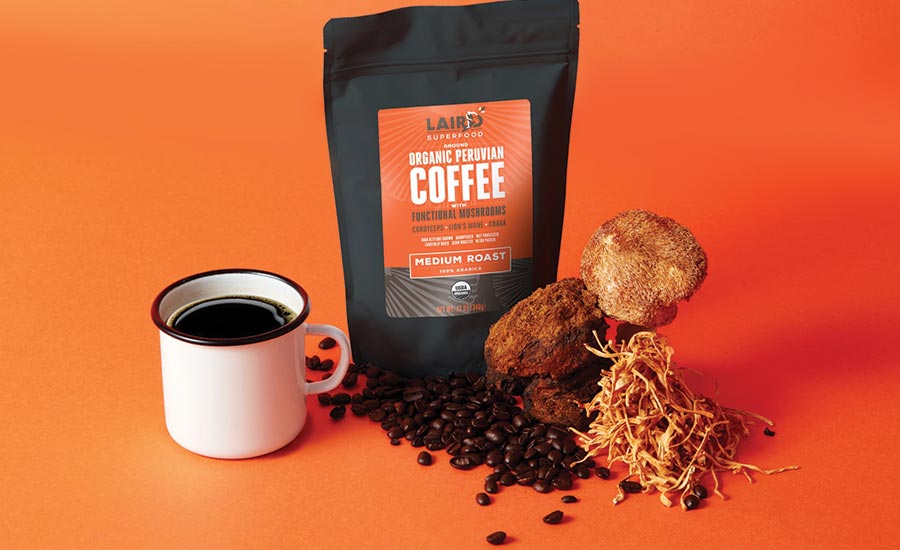
PHOTO: Laird Superfoods, Inc. (www.lairdsuperfoods.com)
In addition to the continued popularity of cocoa, coffee, tea, cider, and malt, recent hot beverage innovations have taken things up a degree. Items such as ready-to-brew hot cocktails for home-brewing machines, vegan versions of hot cocoa and lattes with plant-based milks (like oat and almond milk), and soups in a cup have become mainstream. Other new entries in the hot beverage line-up include coffee-based alcoholic drinks, ciders, non-coffee cocktails, and even bone broth. Meanwhile, a peek into restaurant trends and the global marketplace shows a glimpse of novel hot beverages like a ‘fluffy cheese tea’ with whipped cream cheese atop a tea, maple-bacon buttered bourbon, hot cider eggnog, and mulled wine. In addition to a range of flavors, functional ingredients can be added for healthy benefits like a health or energy boost from butter, matcha, collagen, protein, MCT from coconut oil, or —especially trendy of late — mushroom extracts. Ingredients such as goji berries and hemp-based CBD, provide antioxidants and relaxation.
Rules of Five
In creating a hot beverage dry mix, there are five core considerations for product developers. First, they must look at the consumer experience – begin with the end in mind, so to speak. What guardrails are in the product concept that help identify key formulation parameters?
Key questions to determining the end-user’s experience are: What is the occasion? What is the ideal temperature for mixing? What is the ideal temperature for consuming? What is the hold-time (or shelf life) once mixed? What will the sensory experience – appearance, aroma, flavor, and texture – be when the product is mixed? Will the consumer personalize the beverage with flavored syrups, spices, nut butters, creamers, or other add-ins, or must it stand alone?
Once the consumer framework is established, a product developer can identify key levers to formulate against. Such levers can be: serving size, nutritional requirements, food form, method of preparation, packaging, and shelf life.
Once the consumer framework is established, a product developer can identify key parameters for formulation. Such parameters could include serving size, nutritional requirements, food form, method of preparation, packaging, and shelf life.
The second core consideration for formulation of hot beverage mixes is a deep dive into the sensory experience based upon the usage occasion. Veteran product developers, like those who formulated dry mixes used in hot drink machines in convenience stores and kiosks, universally emphasize that a consumer’s olfactory satisfaction is paramount. Because the point of purchase might not carry as much credibility as an upscale coffee shop, the aroma is important to bring “believability” into the equation. The takeaway? Lead with the nose!
The third consideration has to do with meeting consumer expectations from a more complex beverage, such as cocoa or cappuccino. For these, four of the five main sensory science characteristics must be in balance. When hydrated, the beverage needs the right aroma, appearance, texture/mouthfeel, and flavor. To that end, a product developer must target balanced application and resultant flavor profiles (think: sweetness, “roastiness,” astringency), as well as proteins, fats, and carbohydrates.
Tools of the Trade
Product developers can structure product creation for hot beverage mix formulations using these five tools:
1. Evaluate the consumer target experience first – before the benchtop.2. Ensure that sufficient attention is given to the olfactory experience.
3. Gain momentum to maximize appearance, flavor, and mouthfeel.
4. Work toward rapid and complete hydration.
5. Stabilize and lock in the flavor system.
When a product’s framework must be non-dairy, whether due to nutritional, allergenic, or consumer lifestyle requirements, the application will not benefit from the functionality of caseinates, dairy proteins that contribute greatly to texture and mouthfeel plus a rich dairy flavor. Instead, non-dairy applications must rely heavily on other proteins – often from soy or pea – combined with gums or starches to add the viscosity and mouthfeel desired. Hot beverage additives, such as creamers, typically include such ingredients.
The fourth consideration is hydration. Since hot beverages are usually prepared and consumed within minutes, formulating for rapid hydration is critical. Hydration factors can be determined by understanding how the beverage will be used. Dry blends need to manage particle size and density to prevent ingredient separation and to reduce or eliminate clumping upon rehydrating.
A Quick Cup
Starches and hydrocolloids are often used in beverages to viscosify, suspend particles, and add mouthfeel. Starches, however, typically have two challenges. The first is the cooking step and the second is a possible negative impact on perceived flavor. As such, pre-gelatinized or modified forms hydrate more quickly and are often preferred. Hydrocolloids such as acacia, guar, gellan, and carboxymethylcellulose, typically used at low rates, can help overcome the challenges.
When dry blends are agglomerated, the benefits can be quicker wetting, reduced clumping, and quicker hydration. A good example of formulating for hydration using agglomeration is single-serve pod cups. These small cups hold all the components that deliver the necessary aroma, flavor, and mouthfeel to create a full-sized beverage.
Active Adults Only
Recent studies indicate that one-fifth of beverage consumers prefer spirit-based drinks, and 41% of homes own single-serve coffee makers. Apres Beverages, LLC’s Cask & Kettle Hot Cocktails was created in 2018 to serve those consumers. Cask & Kettle allows aspiring spirits aficionados the means to create their own curated beverages via ready-to-brew hot cocktail pods. Each pod combines everything into one place – the liquid spirit, sweeteners, and a complex flavorant system.
Given that these products have a preparation time of only about a minute, it is understandable that using ingredients in highly soluble forms is necessary. Originally developed for coffee, pod cups are now accommodating every type of hot liquid, including soup and OTC medications, or even liquid alcohol to create a cocktail.
Pod-cup volume is small, so formulas need to be optimized for volume, hydration speed, and shelf life. Ingredients ancillary to the base beverage powder – fats, gums, sweeteners, and starches – must go into solution, without clumping, within that single minute of preparation time.
Indulgent concepts for brew cups may require more sugar than can be carried in the cup or hydrated in the short amount of time available. In these instances, meeting consumer expectations of sweetness may have to be achieved using combinations of sugar and high-intensity sweeteners like acesulfame potassium or sucralose.
The use of agglomerated, pre-gelatinized, or modified forms of hydrocolloids, along with emulsifiers, may be necessary to ensure that the sweeteners go into solution quickly. When liquids are involved in the brew cups, care must be taken to minimize chemical interactions between the ingredients and with the package.
Flavor at the Core
The last core consideration is by no means the least. Flavor is paramount to an enjoyable experience and repeat purchases. Flavored coffee, tea, and other hot beverages can use either liquid or dry flavorings. Flavored whole-bean coffees are sprayed with liquid flavors. For ground and instant coffee, liquid or dry flavors can be used. Teas can be sprayed with liquid flavors, although dry flavors function well, too.
Bones to Go
Emphasizing the functional benefits of bone broth in single-serve “heat-and-go cups” Bonafide Provisions, LLC co-founders Reb and Sharon Brown created Classic Butter Keto Broth, plus two lemon and turmeric versions. And Bulletproof 360, Inc. crafted a line of hot beverage powders designed for performance and quick, sustained energy. They include MCT oils, collagen, ghee (clarified butter), and polyphenols.
Hot beverages can benefit from encapsulated flavors. The encapsulation process keeps volatile flavor components from dissipating over time and provides the flexibility of controlling when the flavor is released. Flavors can be released into the beverage at specific times, such as when exposed to hot water during brewing of coffee or steeping tea. Encapsulation materials can be carbohydrates, proteins, gums, polyols, polysaccharides, fats, cyclodextrins, or composites of these materials. Each component has varying degrees of solubility and different release properties.
In bagged teas, encapsulated flavors are designed to be retained in the tea bag until the flavor is released during steeping. Stabilizing the flavor compounds for longevity ensures consistent quality throughout the product’s shelf life.
Tea and Other Traditions
While most innovation in coffee and tea tends toward cold beverages, mixologists around the globe are blurring the hot and cold lines with coffee and tea in cocktails. A tea base can serve as a springboard for a heightened flavor experience. Base teas from matcha to rooibos to gunpowder, and from Assam to white tea, are spun into delicious creations flavored with honey, guava, nut syrups, bitters, or smoked ingredients.
The third generation of her family working in coffee and tea, Dianne Trinh, CEO of Nam Gourmet, LLC, modernized a traditional favorite: the Vietnamese coffee latte. As a senior food science professional, Trinh merged traditional family recipes with a fresh approach – no roasted carbohydrates, no hydrogenated oil, and no added flavors – while delivering classic Vietnamese coffee latte flavor. She then opted for a sustainable package of fully soluble edible film. Consumers can drop the bag of coffee into hot or cold water, stir, and the latte is ready to drink.
Chicago-based research chef Charlie Baggs and his team at Charlie Baggs Culinary Innovations summarized hot beverage trends as “flavors and functions.” “Hot beverages have become another venue for a delicious and memorable sensory experience,” he says. “With a melting pot of flavors and textures, hot beverage trends are ranging from sweet to savory to everywhere in-between.”
Baggs’ culinary team created tahini hot chocolate – cocoa made with sesame paste – as well as breakfast-inspired coffees flavored like French toast, and warm Russian tea made with citrus juices, sugar, vanilla, and almond extract.
Foodservice trends in hot beverages center on sustainability and functionality for the consumer, according to Kathy Holt, an advisory team leader for JPG Resources LLC. She notes that innovative ingredients, including plant-, nut- or grain-based milk products blended with adaptogens such as ginseng, holy basil, or other herbs bring functionality and a healthy halo to hot beverages.
“Sustainable production of beans, cacao, and other ingredients, along with green packaging, combine to help a growing number of consumers limit their carbon footprint,” Holt adds. “And flavor and mouthfeel continue to grow in importance as nitro products, anything botanical, and sweet nostalgia coffee and tea flavors – cotton candy, cookie dough, caramel, and marshmallow – are trending upward.”
Both cold and hot beverage offerings in the RTD retail, convenience store, and drive-thru coffee shop settings are often loaded with sugar or served with “add-your-own indulgence” ingredients. As consumers demand less sugar in foods, smart innovators are exploring ways to balance the sweet tooth while reducing the carbohydrate load.
Careful use of flavor maskers can be used to offset the bitterness or off flavors that are sometimes associated with monk fruit, stevia, and other non-nutritive sweeteners. And with allulose now on the scene, providing natural sugar-like sweetness and texture with 90% fewer calories than sucrose, even greater promise exists for ultra-low calorie, high-flavor sweetened hot beverages.
“New hot beverage development should deliver against key liking drivers and benefits, such as energy, happiness, relaxation, and fulfillment,” concludes Behr. “As work, home, and play times become ever more fluid, the beverages offered need to be great tasting, sustainable, relevant, and available on-the-go or at home.”
Jeff Grogg is founder and managing director of JPG Resources LLC, a food business innovation and commercialization consultancy. George Squire, a veteran product developer, and Lynn Townsend, a food industry generalist, are JPG Business Partners. Connect with Jeff, George, Lynn, and the JPG team at www.jpgresources.com.
Looking for a reprint of this article?
From high-res PDFs to custom plaques, order your copy today!


