Cheese: An Unqualified Favorite
As specialty cheeses become more popular, their manufacturing processes become more streamlined, mechanized, and efficient
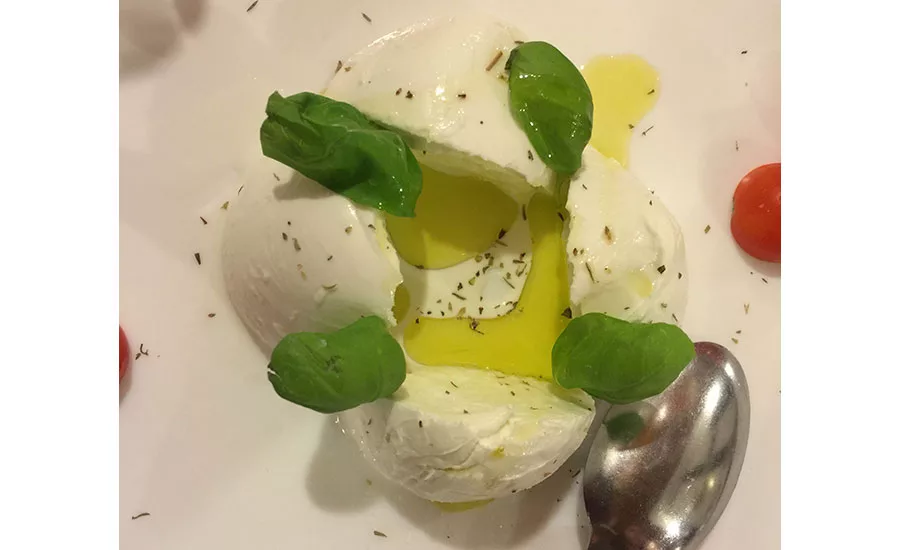
Cheese and cheese flavors are exercising their universal appeal with more artisanal offerings.
PHOTO COURTESY OF: Oldways Preservation Trust/Oldways Cheese Coalition
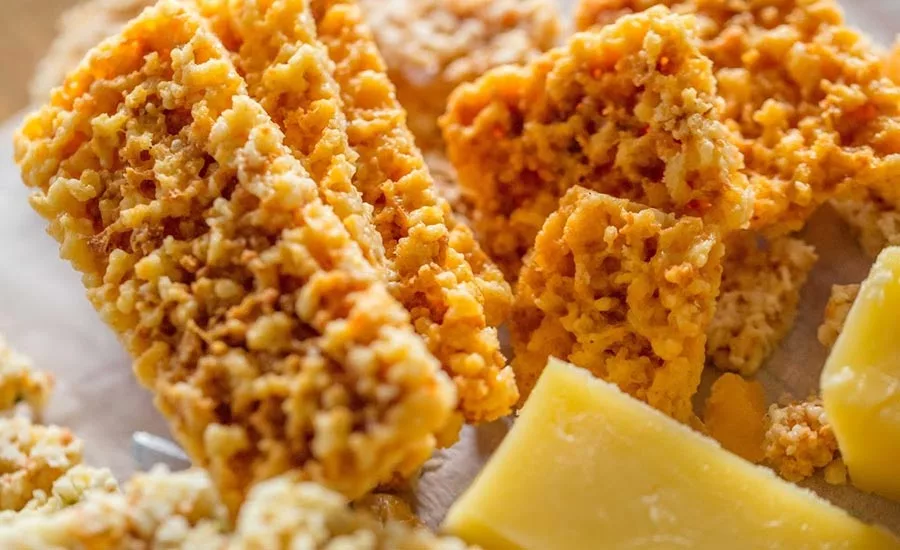
Fewer ingredients and authentic flavors are making products such as single-ingredient crispy cheese snacks immensely successful.
PHOTO COURTESY OF: Jacqueline_Felix for Specialty Cheese Co., Inc.
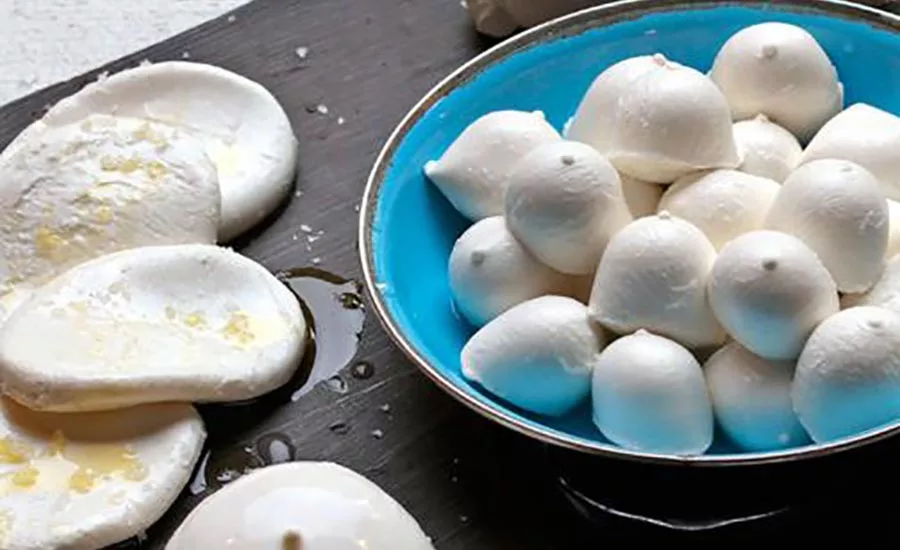
Fresh mozzarella has been competing strongly against the old favorite firm, shredding low-moisture mozzarella type.
PHOTO COURTESY OF: Caputo Cheese Co.
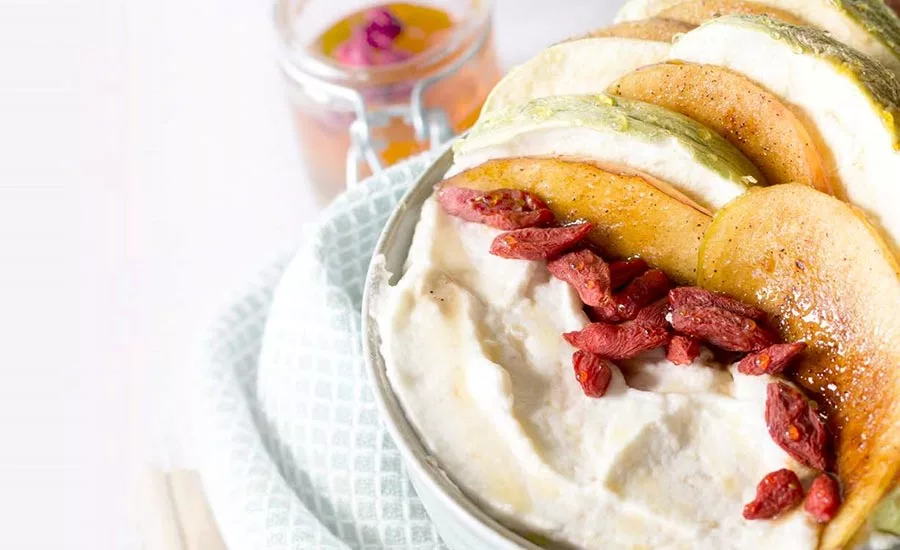
Beyond cheesecake, fresh soft cheeses, such as ricotta, are increasingly popular carriers of sweet natural flavors, such as honey and lemon.
PHOTO COURTESY OF: Kerry Ingredients, Inc.

Real dairy flavors, such as powdered cheeses, are increasingly popular in grab-and-go snacks such as chips.
PHOTO COURTESY OF: Land O’Lakes, Inc.
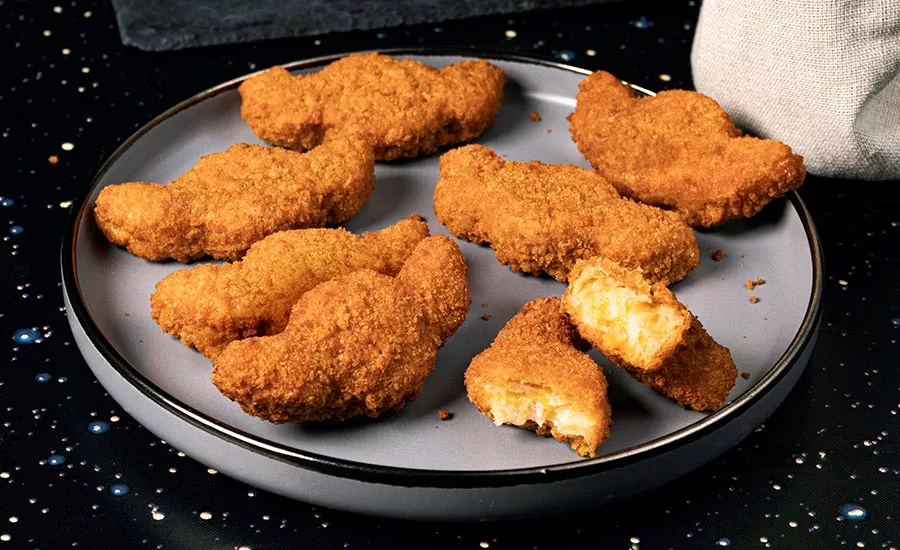
Finger-sized fried cheese snacks in popular shapes and with healthier coatings such as shredded potatoes, are especially appealing to kids aged 3-83.
PHOTO COURTESY OF: Farm Rich Foods, Inc.
Over the past decade, the cheese industry has exploded, with small-batch artisanal cheesemakers popping up in every state and the large cheesemakers increasing the sophistication of their offerings to compete. As specialty cheeses become more popular, their manufacturing processes become more streamlined, mechanized, and efficient.
Food producers are doing their part by creating innovative snacks, sauces, and dressings —and a variety of RTE and RTC products—made with higher-end, cheese flavor profiles. Developers can now easily source aged, specialty cheeses to enhance their formulations.
Cheeses such as Emmentaler and Jarlsberg now stand in where plain Swiss once was. Gouda, Fontina, Asiago, and Comté are gaining popularity in prepared foods. And instead of generic parmesan cheese in breadings, toppings, and fillings, authentic Parmigiano-Reggiano, Asiago, or Pecorino abound. Sweet cheese snacks, fresh farmer-style cheese sweetened with honey or sugar, and even cheese flavored with fruit or coated in chocolate are found in most dairy cases.
Making cheese work
The main challenge for formulators is the variability of small-batch or artisan cheeses. While the manufacturers of commodity counterparts benefit from milk mixed to match a recipe year-round, rigid culture formulas, and carefully adhered-to product attributes, smaller cheese producers experience the opposite: The flavor, texture, and even color of their cheeses will vary depending on the herd the milk was pulled from, the time of year, weather, grazing practices, and smaller batch sizes.
Natural yeasts and bacteria in the environment also cause subtle changes in flavor from batch to batch. All of these factors guarantee that a product developer will have to use an arsenal of methods to ensure a consistent end product when creating with artisan or specialty cheeses.
The type of cheese—soft cheeses, fresh cheeses, semi-firm or firm cheeses, aged cheeses, and ripened cheeses—and the method in which the curds are created (rennet versus those made with acids) will dictate the methods and solutions used in the end formula. In cheeses made using cultures and rennet, the lactose in the milk converts to lactic acid as the cheese matures, increasing the cheese's acidity, thus lowering the pH.
The cheeses made using this process—typically semi-firm and firm cheeses—melt perfectly when heated, making them ideally suited for topping pizzas and flatbreads, filling sandwiches, stuffing meats, or folding into baked pasta dishes. However, it is important to avoid overheating such cheeses, and par-cooked RTC products should be cooked quickly, using the lowest heat possible to avoid separating the casein proteins. Otherwise, overheating these cheeses will create an oil slick in the final cooked product.
In cheeses made using direct acidification, lactose is not converted into lactic acid and remains in the final product. Cheeses made using this method—soft and fresh cheeses, such as fresh mozzarella—will soften but will not melt. Instead, they will brown and keep their shape. These crumbly cheeses also separate and flow a little more easily than cheeses made with cultures. As a result, these cheeses are perfect for toppings, breading and coating applications, as well as no-heat applications like dressings and salad kits.
The type of milk critically affects product performance. Sheep’s milk cheese, for example, has almost twice the butterfat content of cow’s milk cheese, which makes separation and oil pools in the end product more likely at high temperatures.
Goat’s milk cheese also has a higher fat content than cow’s milk cheese and can be temperamental, excreting oil when not properly handled. Both sheep’s and goat’s milk cheeses can benefit from a little added starch to absorb oil and maintain emulsification where needed, and cooking temperatures should stay low.
Good old cheese
The aged nature of a cheese also factors into the formulation, affecting everything from flavor to texture to viscosity. As cheese ages, the fermenting process breaks down the milk proteins and fats, increasing flavor intensity, decreasing emulsification abilities, and changing texture attributes. When using more mature aged cheeses in applications like sauces, soups, and fillings, the addition of some type of hydrocolloid or starch is recommended. These ingredients help stabilize emulsification and maintain a smooth texture.
Heat can also damage proteins and decrease the emulsifying stability of cheese. When formulating soups and sauces for retort or aseptic applications, where shelf stability is not a big issue, developers can get away with using more moisture, little to no acid, and less cheese.
Hot-filled products will likely need more cheese, plus something acidic to maintain proper pH for safety. However, hot-filled products tend to have a better mouthfeel and texture than products cooked using retort or other high-heat processes.
Just as heat can affect cheese quality, so can extreme cold. Freezing temperatures destroy soft cheeses, kill aromatic bloomy rinds, and dull delicately flavored cheeses. Hard, aged, grated cheeses fare the best, as their density, high protein, and low water activity prevent excessive damage during freezing. Generally, shredded or grated semi-hard cheeses incorporated into a sauce or soup will hold up if frozen before use, but the quality will suffer slightly.
Worth their salt
In developing sauces, soups, fillings, and other cheese-dense products, and in any frozen product that includes cheese, the addition of emulsifying salts, starches, and/or hydrocolloids can help control cheese properties throughout processing and continuing through to the consumer's table.
Emulsifying salts, including phosphoric- and citric-acid salts, disodium citrate, sodium aluminum phosphate (SALP), monosodium phosphate (MSP), disodium phosphate (DSP), and trisodium phosphate (TSP), help prevent syneresis.
Hydrocolloids and starches help stabilize cheese products; control water activity, viscosity, and texture; and are essential in products requiring freeze/thaw stability. Hydrocolloid selection will depend on the processing method, packaging, pH, dispersibility, and cost. For example, carrageenan has a lower acid tolerance than xanthan gum, and guar gum offers a lower-cost option. All these are natural ingredients and can help with clean-label formulating.
Once a developer tackles issues such as water activity and syneresis, flavor development comes into play. While a cheese product should contain its namesake ingredient, it may also contain ingredients to amplify or improve cheese flavor in the finished dish or to control cost. Authentic aged cheese brings the above challenges to the party. The price is usually high, which could be problematic for a product made with 100% aged artisan cheese. Enzyme-modified cheeses (EMCs), dehydrated and desiccated cheeses, and dairy flavors can play important supporting roles.
Ingredient technology brings us cheese in other forms that can augment or replace dairy cheese in recipes or are simply a better option for the processor. Powders, shreds, and chunks are all available to add to dry mixes, sprinkle on snack foods like chips and popcorn, and incorporate into soups, sauces, and salad dressings. EMCs are produced using the source cheese. The process is similar to that used to accelerate cheese ripening, resulting in a reduced-cost option versus the original cheese.
Dairy flavors (not just cheese flavors, but other dairy notes) also improve cost-effectiveness and, importantly, help ensure consistency. Because milk terroir will vary based on source, season, and area, developers can adjust flavorings to provide a consistent product year-round. Adding dairy flavors also can combat flavor loss from fat reduction by adding back milkfat notes that were lost when a lower fat cheese was used.
The artisan and specialty cheese market is showing no signs of slowing down. As popularity increases, food producers will be on point to provide consumers with something above commodity cheese in prepared foods. With a bit of knowledge and insight into these cheeses, your product development work will keep pace with this cheesy phenomenon. Getting to know the producers and the unique attributes of their products can go a long way toward ensuring success.
Anne-marie Ramo is a Seattle-based research chef and food writer with more than 25 years of experience in flavor development. She was director of culinary development for Revolution Foods Inc., executive chef of Fork in the Road Foods, LLC, and executive chef for Aidell’s Sausage Co. Ramo is a regular industry contributor and writer, and co-authored The Great Meat Cookbook (Houghton Mifflin Harcourt, 2012). Read more of her articles at www.preparedfoods.com. You may contact her at aramo@me.com.
In using a starch to stabilize a cheese formulation, the composition is an important factor. For example, a developer should choose a waxy-type starch for a soup because of its high amylopectin content. Amylopectin aligns in a less-rigid structure than amylose and retains more moisture and a smoother texture. Grain-derived starches like native rice starches provide a fatty mouthfeel, which improves the texture of low- or no- fat formulations and reduces syneresis, thereby improving freeze/thaw stability.
Looking for a reprint of this article?
From high-res PDFs to custom plaques, order your copy today!


