Natural Food Colors for a New World
The future of natural colors is brighter than ever
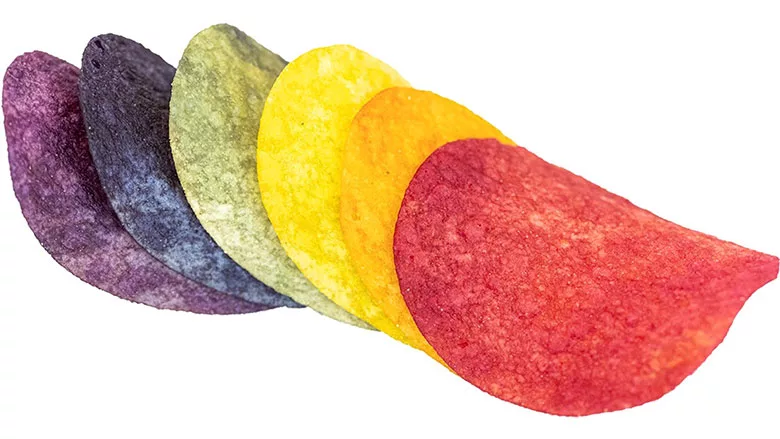
Ingredient technology is expanding in leaps and bounds to allow natural colors to perform as strongly as artificial colorants in many formulations.
PHOTO COURTESY OF: Sensient Colors, LLC
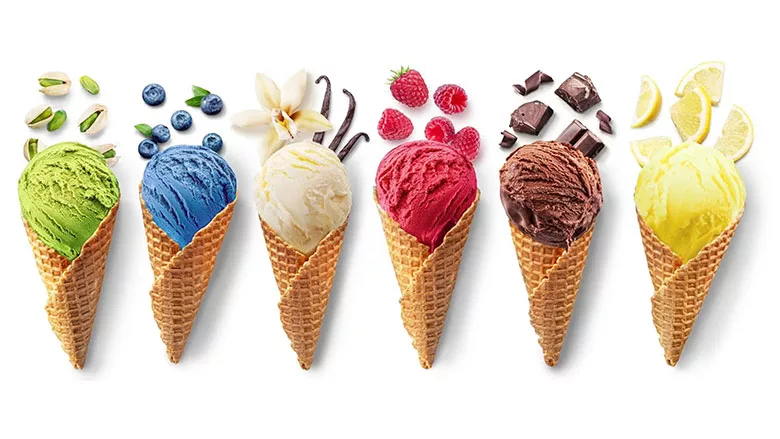
Today’s natural colors options have grown markedly due to an exponential expansion of fruit, vegetable, and edible flower sources.
PHOTO COURTESY OF: ROHA Dyechem Pvt. Ltd.
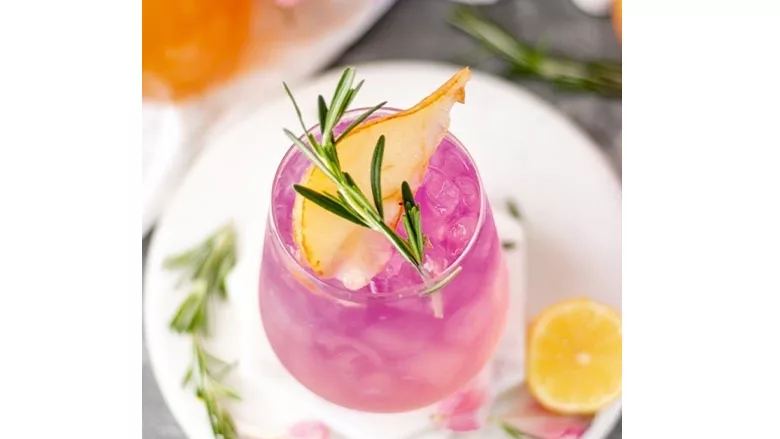
The mocktail trend brought to the beverage world naturally vibrant colors that signal excitement and intensity of real flavor.
PHOTO COURTESY OF: Mingle Mocktail Beverage Co.
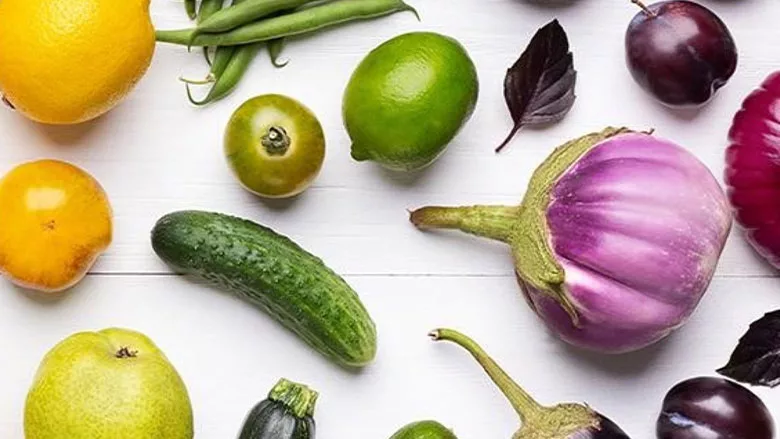
Various drying methods of fruits and vegetables can yield highly saturated and soluble dry pigment preparations.
PHOTO COURTESY OF: Van Drunen Farms/FutureCeuticals, Inc.
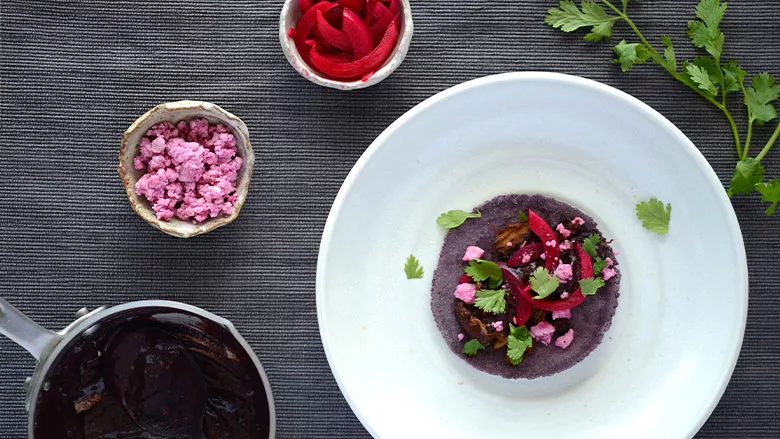
Clean-label natural colorants are typically extracted from edible plants via methods such as pressing, crushing, and filtering.
PHOTO COURTESY OF: GNT Group B.V./Exberry
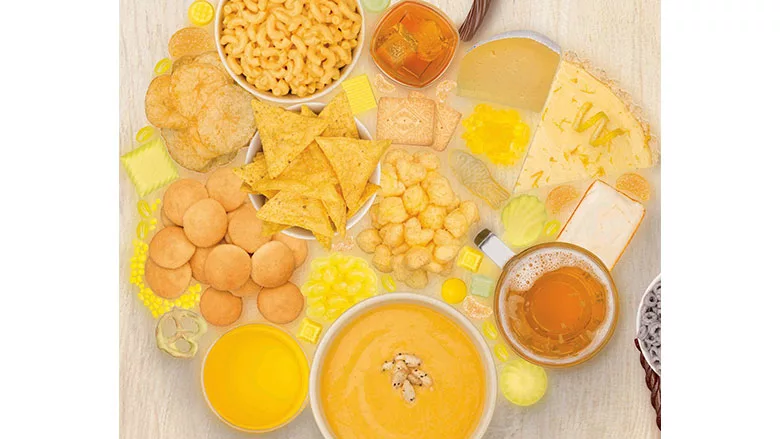
Warm colors have been trending up as consumers seek more comfort and less stress.
PHOTO COURTESY OF: DDWilliamson & Co.
“Healthy Hedonism” is a new consumer mindset that combines innovation and playfulness with an interest in health and wellness, tempered by a keen commitment to social and environmental concerns. In this newly established landscape, consumers are seeking food and beverages that deliver a holistic package of benefits.
Looking ahead to 2030, the food and beverage color palette will almost exclusively contain vibrant, naturally-derived hues that offer clean-label charm, as consumers continue to seek better-for-you products.
From saturated hues to pastels, proper execution of color in a food product serves as an indicator for sensory attributes such as flavor, aroma, and texture. A lemonade-flavored beverage with the perfect pale pink hue can transport us back to our childhood lawn in summertime. The whimsical periwinkle shade of a specialty cocktail made with butterfly pea flower extract creates a unique and unexpected happy hour experience.
Today’s natural colors are vibrant enough to communicate product attributes, such as perceived healthfulness and functional efficacy. The verdant green hue of a matcha-flavored beverage is perceived as fresher, and thus more effective at delivering a healthy kick.
Looking ahead in the natural colors space, additives, preservatives, and innovative production methods that help maintain sensory appeal over shelf life will allow brands to deliver food and beverage options that meet today’s high bar when it comes to freshness and quality.
Natural Blooms
According to Food Market Insights’ “Food Additives Market Outlook,” released last February, the global food additives market is set to expand to $4.62 billion by 2033, with an estimated CAGR of approximately 6.6% over the next 10 years. The global natural colors market is on a similar trajectory, projected to grow by an estimated CAGR of 7.4% from 2022 to 2030, reaching approximately $2.89 billion by 2030.
Certain challenges in formulating with natural colors still pose hurdles for developers.
In choosing a natural colorant for a food or beverage, considerations include the physical and chemical make-up of the ingredient characteristics of the colorant itself. These affect its ability to hold up under heat, shear, pressure and other processing conditions. They also determine consistency of the color throughout the shelf life. All are important to ensure both consumer appeal as well as final cost-in-use.
Making Natural Work
Tried-and-true artificial colors have always provided the benefit of being reliable and predictable in a variety of food matrices. On the other hand, natural colors have historically posed functional drawbacks such as instability in certain environmental conditions, leading to undesirable effects such as fading and bleeding.
Cost and availability are significant factors when formulating with natural colors. With the need for natural colors to provide as close to the same final results as artificial colorants, some of the more advanced colorant systems could pose price challenges due to supply and demand, as well as consistent availability. It is important to work with a reputable color supplier that can ensure consistent quality and supply to avoid reformulation occurrences and avoid supply chain breakdowns.
To combat the challenges natural colors face in foods, color manufacturers enhance pigment preparations by understanding the unique functionality of the pigment. Natural pigments are often susceptible to more than one formulation or processing-related factor.
For example, anthocyanins and betalains are prone to fading and bleaching in high pH, high light exposure, and high temperature conditions. Similarly, the phycocyanin pigment, which gives a highly sought-after bold blue shade, is sensitive to high temperatures and acidic conditions.
Negative ingredient interactions can also be a challenge. In certain applications, some colors require the help of emulsification or stabilization systems to enhance solubility. Beta-carotene used in a beverage application is one common example. Negative interactions of the emulsifier with other emulsification systems or ingredients in the formula can cause the color emulsion to break, leading to pigment separation or precipitation.
To address many of these challenges in natural colors, the use of preservatives, such as antioxidants and acidulants is becoming more common. These are used to enhance stability, functionality, and, therefore, cost-effectiveness.
Beverages that Glow
When it comes to beverages, alcohol content (% ABV) is another a factor that can negatively impact natural color performance. Beverages with an ABV of 20% or higher are typically harsher on natural colors, which can lead to fading.
Color deterioration can also be caused by oxidation. Common natural color compounds susceptible to oxidative degradation include those lending shades of red, orange, yellow. These include carmine, carotenoids, and paprika extract. The addition of antioxidants, such as ascorbic acid, or its stereoisomer, erythorbic acid, can help prevent discoloration and fading.
Formulators should avoid using ascorbic acid in foods and beverages that are colored with anthocyanins, as it causes degradation of anthocyanin molecules. This kind of negative interaction is especially important for beverage formulators to keep in mind, as vitamin C fortification is a common method to add health value to drinks.
Color manufacturers and suppliers may add antioxidants directly to the color preparation in order ensure its stability when added to a formulation. In other cases, the formulator of the end product should work closely with the color supplier, as fortification of the end product with the antioxidant may be more effective for certain matrices.
Meanwhile, acidulants can be used to leverage the pH-dependent nature of natural color molecules such as anthocyanins, betalains, and phycocyanin. Citric acid is a common additive found in color preparations to create the ideal pH environment for the color compound.
Anthocyanins derived from Butterfly pea flower (Clitoria ternateea) extract has gained popularity in recent years, known for its pH indicating property amidst. The anthocyanin-rich flower, native to Southeast Asia, displays a stunning variety of shades. In its natural pH range of 6.0-8.0, the flower extract is a unique blue-purple hue. Under acidic conditions, the butterfly pea flower extract shifts to emit delicate blue-pink and light purple shades, turning to a green shade at pH values ranging from 8.0-9.0. At pH values of 4.0-5.0, the extract is colorless.
Similarly, phycocyanin, the bright-blue-emitting protein found in spirulina, is sensitive to pH changes. Researchers at Cornell University have recently uncovered the mechanism of action for the fading of this pigment. In acidic environments, the molecular structure of the protein undergoes a disassembly reaction, removing the pigment’s blue-emitting property. In alkaline conditions, the pigment re-assembles, displaying the impressive cerulean shade that is highly desired today for its novelty and shock value.
Luckily for developers seeking acid-stable natural blues, there is a new phycocyanin pigment on the scene. Derived from Galdieria sulphuraria an extremophilic microalgae whose native environment causes its blue-pigment to be much more acid-stable than the phycocyanin found in Spirulina.
Enveloping Colors
Micro- and nano-encapsulation are post-extraction natural color processing methods that can combat the wide array of challenges natural colors face in formulations, protecting pigments from pH, light, high temperatures, and even oxidative threats. Encapsulated natural colors also offer the value-add of being more versatile amidst a variety of processing conditions.
For example, confectionary processes typically require high temperatures and longer hold times. In frozen or ready-to-heat meals, encapsulated colors may also be desirable, as they can better withstand the cooking or microwave heating steps required. In multi-layered products such as cookies, cakes, energy bars, and paned confections, the use of encapsulated natural colors can prevent color bleeding.
Other natural color preparation methods that can enhance functionality, and help keep costs relatively low, include improved drying techniques. Notably, vacuum belt drying is an effective method for yielding highly saturated and soluble dry pigment preparations. The low vacuum pressure facilitates very low water evaporation temperatures, which helps preserve the benefits of the botanical extract.
Looking ahead towards 2030, novel production and preservation methods in the natural colors space will continue to expand the bounds of what food and beverage formulators can deliver to the ever curious, ever health-conscious consumer.
Regular contributor Olivia Conrad is a product development scientist and freelance science writer based in Boulder, Colo. She has extensive experience in natural food product development in categories ranging from frozen desserts to meat snacks. She also is an expert in food safety with a strong working knowledge of FSMA and HACCP. Contact her at oconrad2013@gmail.com.
Beyond Performance
The use of clean-label-friendly additives, microencapsulation, sophisticated agronomy, and innovative production methods are all levers that natural color manufactures will pull to yield a brighter, bolder rainbow in foods and beverages. Beyond color performance, future opportunities for natural colors to shine may be in conjunction with the health-promoting functionality of botanical extracts.
Looking for a reprint of this article?
From high-res PDFs to custom plaques, order your copy today!


