Color Shift: Change to Natural Colorants from Artificial Moves Into High Gear
The gradual shift in dominance from artificial food colors to natural ones has ramped up ten-fold now that newly appointed Health and Human Services Secretary Robert F. Kennedy Jr. has targeted elimination of artificial food colors as one of his major goals. But this isn’t a shock to food and beverage developers because consumers had been pushing for the same thing for at least the past 10-20 years.
While many in the media have been trying to turn the artificial colorants vs. natural colorants issue into a political issue, the argument over whether or not any natural colors and artificial colors are better or worse than each other is irrelevant. The fact is, many product makers are finding themselves having to shift to natural colors by consumer demand.
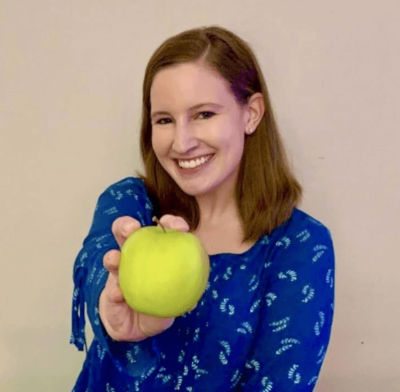
To address some of the challenges product makers could encounter with a natural food colorant that they would not have with an artificial one, Prepared Foods asked Abbey Thiel, PhD, food scientist and expert in ingredient functionality and food innovation (and host of the popular “Abbey the Food Scientist” YouTube show), to provide some insight into what the shift from artificial to natural food coloring could entail.
It turns out that there are quite a few challenges across the entire production chain when making this color shift. “First and foremost,” notes Thiel, “although the prices are falling, natural colorants are more expensive and, in some formulations, can even account for half of a product's formulation cost! This is because of both a higher initial purchase price as well as the fact that natural colorants need to be used in much higher amounts compared to artificial colors.”
Other hurdles Thiel covers include: limited availability of some natural colorants that can turn into disruptions in the supply chain, price volatility, and production delays. These also impact consistency in ingredient quality and supply. But Thiel does allow that color makers have “made significant advances in ensuring supplies and quality are stable, so it’s becoming less and less of a concern.”
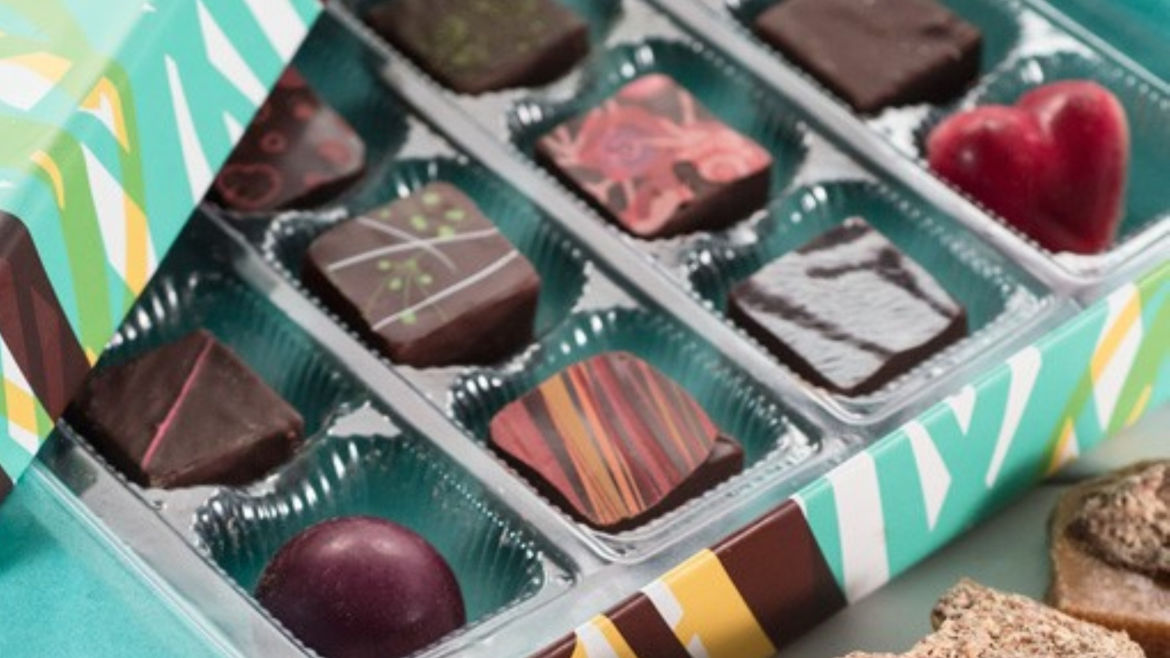
Thiel further notes that, because of the higher concentrations needed with most natural food colors, flavor can be compromised, necessitating the use of maskers. “The higher concentrations also could be more likely to affect the texture of the formulations as well,” she adds. She continues to discuss these issues in full in her video podcast.
You’ll also find dozens of other articles, videos, podcasts, and other content on food and beverage colorants.
Color Shift
Food and beverage makers are switching from artificial to natural colors in double time.
Listen to more from the Prepared Foods podcasts.
Looking for a reprint of this article?
From high-res PDFs to custom plaques, order your copy today!


