Rush to Shift to Natural Colors is Accelerating
Understanding the impact of new food dye policies and how market research can help businesses navigate the transition is crucial for staying competitive.
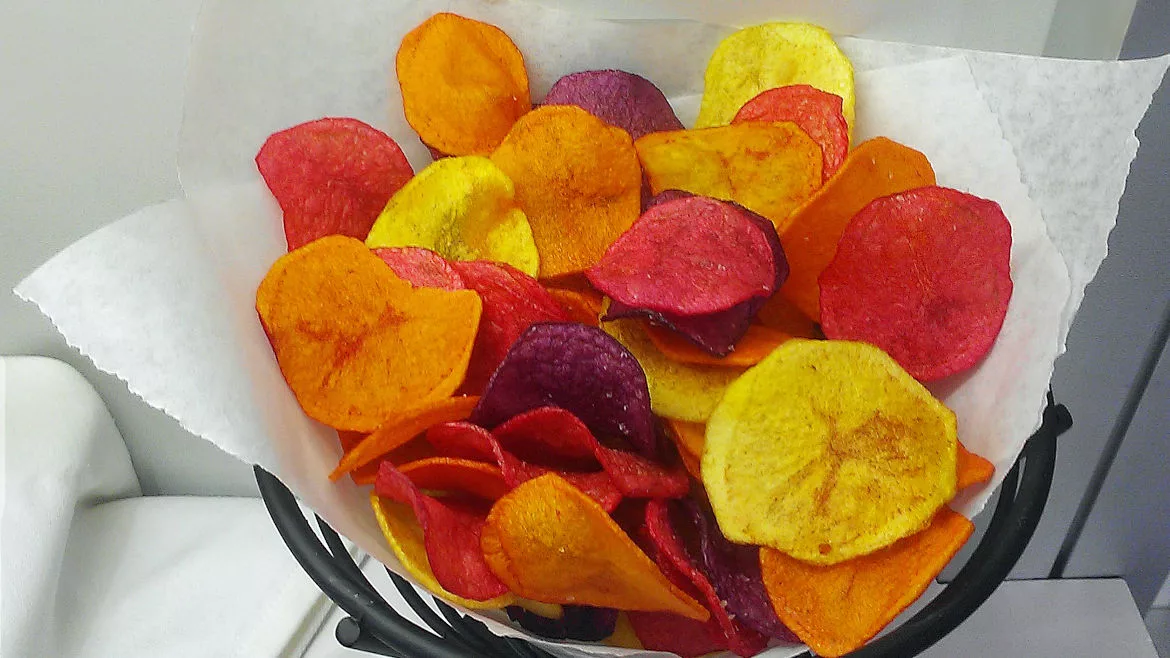
New regulations on artificial food dyes not only create reformulation challenges for developers, but labeling and marketing challenges as well. Photo by: Givaudan, SA
The US Department of Health and Human Services and the FDA are working to phase out eight petroleum-based synthetic food dyes from the US food supply. While some of the larger food and beverage makers have already pledged to remove them voluntarilyꟷThe Kraft-Heinz Co., Nestlé, SA, and General Mills, Inc. are ditching artificial dyes over the next 18 monthsꟷmany, if not most, food and beverage manufacturers will be searching for new solutions that will resonate with consumers.
While candy will be the product most affected by the change to natural colorants, everything from cereal to pickles to yogurts, from confections to canned vegetables will be affected. Understanding how this new policy will impact the industry—and how market research can help businesses navigate the transition by identifying acceptable alternatives—is crucial for staying both competitive and compliant.
CASE STUDY 1:
Dye Ban Details
Fighting against unsafe dyes in American food and beverage is nothing new. Various administrations, groups and individuals have long advocated for limiting synthetic food dyes, citing potential links to hyperactivity and other health issues. Consumers also are demanding greater transparency and fewer artificial ingredients in their foods.
Colorful Benefits
Of course, the shift to natural colors carries benefits other than avoiding synthetic chemicals and certain allergens. Most natural colorants have beneficial phytochemical compounds, especially antioxidants. While the amounts of the specific bioactive compounds are too small for health claim, they naturally contribute to the total such ingredients consumed in a day.
The FDA is currently working on phasing out synthetic, petroleum-based dyes like Yellow No. 5 and Red No. 40 in favor of presumed safer, plant-derived alternatives, as part of a broader effort to reduce exposure to potentially harmful chemicals in food. Artificial food colorants are commonly used in processed foods to maintain color, correct variations in tones and shades, enhance natural hues, and add vibrancy to colorless products. Transitioning to natural dyes in some formulations could lead to less vibrant colors, higher production costs, and challenges with shelf stability.
As food manufacturers face the challenge of complying with any new guidelines, they also must respond to consumer preferencesꟷand the results of transitioning to products that could look quite different from their original format. While some consumers might embrace such changes, others might resist, particularly in cases where reformulation impacts color vibrancy, consistency, or other visual appeal, or if it raises the price of the product.
Vital Marketing
Market research will be vital in assessing how consumers respond to color changes in their foods and beverages. Effective research and marketing can ensure that products remain palatable and appealing to mainstream consumers as well as to those consumers who prioritize health-targeting or natural ingredient profiles.
Leveraging a variety of consumer research approaches can help brands stay ahead of consumer expectations and manage the shift to natural alternatives effectively. These approaches include:
- Concept Testing: By testing different dye alternatives early on with consumers, food companies can gauge how these changes could affect consumer perceptions and preferences. Such insights help ensure that the final product not only complies with regulatory changes but also aligns with consumer expectations for both flavor and appearance.
- Product Testing: Product testing is essential for making informed decisions throughout the product development lifecycle as changes to existing products are made or reformulations developed. Product testing can help refine colors, flavors, and textures, track in-market performance, and ensure long-term success.
- Mobile Research: Mobile consumer research tools allow food companies to gather real-time, real-world feedback from consumers and understand how the shift to natural colors influences purchase decisions. It also can be a method of teaching consumers about these changes.
- Launch-Phase Research: Launch-phase market research gathers immediate consumer feedback during the product’s initial release, assessing how new formulations are received in real-time. This helps manufacturers quickly gauge reactions to changes in color, flavor, and appearance, allowing for data-driven adjustments to ensure the product aligns with consumer preferences and expectations.
- Message Testing: When changing a food or beverage, it is important to understand what claims, marketing and messaging resonate with consumers. Message testing research helps brands ensure the benefits of the new formulation—such as natural ingredients and health-conscious choices—are clearly conveyed. Testing helps refine communication strategies to address potential concerns and highlight the positive aspects of the change, leading to stronger consumer acceptance.
- Tracking Studies: Analyzing purchase behavior over time lets food manufacturers understand how shifts in product color and ingredients affect sales. By tracking consumer behavior and purchases, companies can gain a clear picture of consumer demand for products with natural dyes and highlight potential barriers to adoption.
- Pricing Studies: Pricing studies help brands understand how increased costs could affect consumer purchasing. Testing price points and resulting consumer reactions allows assessment of any impact on demand and identifies optimal pricing.
By incorporating these market research techniques, food and beverage brands can effectively navigate the challenges posed by new food dye regulations and ensure that their product changes are in line with consumer expectations. These insights will help brands stay competitive, compliant, and ready to meet the evolving demands of today’s health-conscious consumer.
Challenges Ahead
There is no doubt that proposed phased removal of synthetic food dyes will create challenges for some food and beverage developers and manufacturers. Many of the most popular artificial food colors have long been relied upon to give processed foods a consistent, vibrant appearance.
Bridging the Color-to-Consumer Gap
For marketers, the challenge will be bridging the gap between what consumers say they want and what they do. Understanding how such appearance changes will impact the industry both regarding formulation and consumer attitudes is critical. The combined forces ingredient technologists and experienced market researchers can help businesses navigate the transition while staying both competitive and compliant.
Transitioning to natural alternatives such as beet juice or turmeric could result in changes to the look and even the mouthfeel of these products. Twizzlers could lose their signature bright red, Fruit Loops and Trix would become a duller rainbow in the cereal bowl, and those Fuego Takis? That signature red-orange color would definitely change under such new regulations.
Switching from artificial to natural food colorants also can cause differences other than in appearance. Since natural colors tend to produce less vibrant colors, a greater amount of the substance is needed, and this can ultimately impact texture and even performance. Using more of a substance also can cause price increases. And, while natural colors are benefiting from increased refining technology, they are likely to still have stability issues in both processing as well as storage and shelf life. Natural colors tend to be more sensitive to the effects of temperature, light, and oxygen.
CASE STUDY 2:
Food Dye Futures
The impact of these regulatory changes will extend beyond just food manufacturers. The supply chain, ingredient sourcing, and production processes will all experience ripple effects as the food industry adapts to the shift away from petroleum-based dyes. Suppliers of natural colorants will likely see an uptick in demand, while those who rely heavily on synthetic dyes will need to adapt or risk falling behind.
Market research is the key to unlocking the potential of this transition. It helps food and beverage companies make informed decisions about which ingredients to use, how to communicate these changes to their consumers, and how to maintain brand loyalty in an era of increasing transparency and consumer advocacy. By tapping into the power of market research, the food and beverage industry can successfully navigate the regulatory changes surrounding food dyes—creating products that are both legally compliant and appealing to the modern consumer.
Looking for a reprint of this article?
From high-res PDFs to custom plaques, order your copy today!


