From Korean street food and seafood snacks to pistachio mania and chili-infused sweets, the Specialty Food Association’s panel highlights the emerging and evolving trends shaping the future of specialty foods
The 2025 Summer Fancy Food Show revealed a diverse range of emerging and evolving trends shaping the specialty food market. Korean flavors stood out with products inspired by popular dishes, beverages, and pantry staples, while ingredient innovation brought new offerings such as cupuaçu, yaupon, and plant-based dairy alternatives. Global convenience remained a key driver, with meal kits, ready-to-eat dishes, and sauces making international flavors more accessible.
For product developers, this signals a growing market emphasis on personalization, health-forward meals, and flexible prep formats—all driven by data-backed consumer demand.
While the grade given to their personal diets has not significantly changed since Americans were last to examine their diets in 2013, there is improvement in the grade given to the average American diet—up 11 percentage points since 2013.
Tariff policy changes raise concerns over ingredient cost volatility, with potential implications for menu pricing, sourcing strategies and supply chain planning
"Operating a restaurant is becoming increasingly difficult due to economic and regulatory pressure and a nearly 5% increase in wholesale food costs since last year. These new tariffs on food and beverage items will exacerbate the situation," said Michelle Korsmo, president & CEO, the National Restaurant Association
The collective's ultimate goal is empowering and enabling busy consumers to make well-informed decisions for themselves and their families without the burden of decoding complex and misleading labels.
New research reveals most North American consumers prioritize taste and affordability over avoiding so-called “bad” ingredients, despite rising media buzz around ultra-processed foods and food additives
While tracking cultural conversations around demonized ingredients is essential, immediate action to remove them from the food supply is not always necessary.
Our editors found an inspired collection of new and small brand owners guiding their products into the market with cutting edge approaches and refined product messaging. Sustainability, cultural significance and better for you trends were all present among the young brands in the startup space.
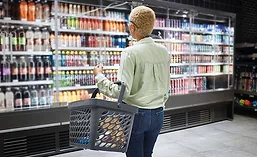
With 80% of shoppers feeling no relief from grocery inflation, more are turning to product labels and QR codes to make informed, budget-conscious decisions at the shelf
Now in its 30th year, the report highlights the top food, beverage, and nonfood launches that resonate with today’s consumers—driven by convenience, functionality, and powerful brand storytelling
This year’s report underscores consumer packaged goods (CPG) companies’ commitment to consumer-centric innovation, prioritizing solutions that solve for evolving lifestyle and occasion needs.
As US shoppers brace for price hikes, most expect brands to offset tariffs with free shipping, loyalty rewards, and clear communication—while spending cuts loom for electronics, apparel, and home goods
The survey, “Impact of Tariffs on Purchasing Decisions,” also reveals that, aside from discounts or promo codes, consumers want free shipping, loyalty rewards, and transparent communication about price increases in exchange for higher tariff-induced costs.