Botanical ingredients like curcumin, ashwagandha and quercetin continue to gain traction in immune health, but questions remain around efficacy, dosing and bioavailability. For product developers, the research underscores the importance of formulation strategies, standardization and ingredient synergies to deliver meaningful functional benefits.
A new era of microbiome-first design, functional proteins, botanicals, and plant-powered ingredients is redefining how consumers expect foods and beverages to support everyday immune health
Immunity is now a daily wellness priority, fueling innovation across gut health, clean label, protein, and functional beverage categories. As Gen Alpha reshapes expectations, brands are racing to deliver multi-benefit products that blend science, flavor, and immune-support functionality.
Discover how Vitamin A, in its forms like retinoids and carotenoids, powers your immune system, supports vision, and offers protective benefits against various health challenges.
Vitamin K—natural phylloquinone and menadione—is rarely recognized but prominent when discussing nutrition intervention for protecting us from diseases, dysfunction, and the endogenous (think: aging) and exogenous catalysts.
Exploring the rise of gut-friendly ingredients and their role in boosting immunity, supporting mental health, and driving innovation in food and beverage products
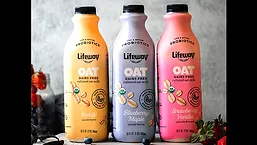
The primary immune-supporting ingredient category is that of probiotics, those beneficial microbial organisms that confer some form of health benefit either directly or indirectly when ingested. With probiotics carrying the immune health banner, it’s no surprise that throughout 2024 interest in probiotics and health by both consumers and product makers rose beyond even those levels seen in 2023.
Fermented foods other than dairy are trending, with sauerkraut, kimchi, pickles, and other vegetables; kombucha; sourdough; natto and tempeh leading the pack. Yet with cultured dairy still at the forefront, there are multiple fermented dairy products that offer benefits besides the immunity support of probiotics.
Enriching the diet with regimens of prebiotics, probiotics, postbiotics, and other ingredients can establish greater microbial diversity in the gut and has been reported to improve immune function in the aging population.
It has been well established that long-term nutritional imbalance due to low-fiber diets leads to increased incidence of noncommunicable diseases, such as heart disease, diabetes, gut dysbiosis, cancer, metabolic syndrome, allergies, inflammatory bowel disease, obesity, and autoimmune diseases.
Functional foods and flavors continue to climb in popularity as such foods achieve just that: beyond providing nutritional benefits, they bring flavor, comfort, and excitement to the table. Among these, immunity-targeting products are in the forefront.