Technologies | Minerals for Immunity
Minerals Play Critical Role in Immune Health
Often overshadowed by probiotics and vitamins, essential minerals offer product developers new opportunities to support immunity and metabolic health through food formulation.
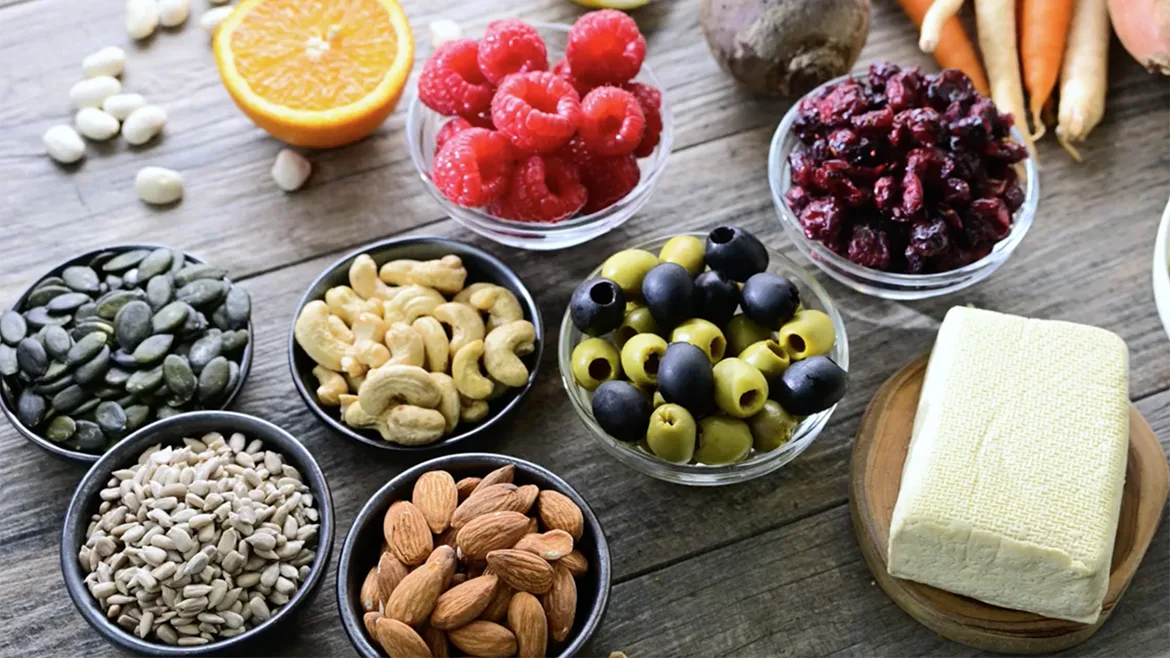
Mineral-rich ingredients from dried fruits, nuts, and seeds to dark leafy greens, meat, and fish give immunity an unexpected boost.
While probiotics, prebiotics, and postbiotics dominate most discussions of nutrition-based immune support—and remain essential in helping to prevent and mitigate disease and dysfunction—there are numerous micronutrients that are indispensable in that role.
Immunity begins with metabolic regulation and overall physiological function, processes in which all vital nutrients play a part. But one class of micronutrients that can get overlooked in supporting immune function is minerals. Estimates ranging from around half to more than three-quarters of metabolic processes require some metallic ion or metallic catalyst to occur. And unlike many nutrients, minerals cannot be synthesized by the human body and must be obtained through the diet.
Although balanced eating patterns can satisfy most nutritional requirements, low-grade deficiencies of minerals and other micronutrient remain surprisingly common in the Western diet. Over time, these inadequacies can contribute to impaired immune responses, metabolic dysfunction, reduced cognitive performance, anemia, and increased disease susceptibility.
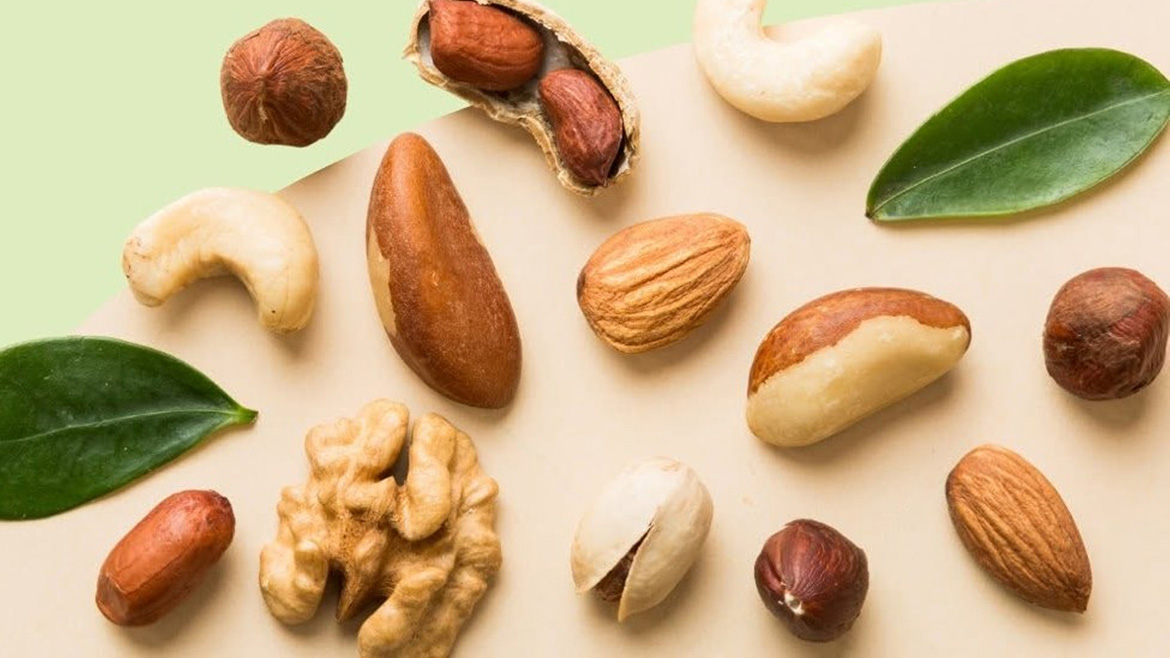
Nuts, especially Brazil nuts, are rich sources of the antioxidant mineral selenium. IMAGE COURTESY OF: International Nut & Dried Fruit Council
Consumers frequently turn to multivitamin supplements to address nutritional gaps, yet dietary minerals often receive less attention despite their critical biological functions. Mineral deficiencies can develop gradually and silently, influencing immune and metabolic regulation long before clinical symptoms become apparent. While deficiencies of minerals such as copper, phosphorus, molybdenum, manganese, and chromium are relatively uncommon among healthy individuals consuming diverse diets, inadequacies in magnesium, zinc, iron, iodine, and selenium remain global nutritional concerns.
For formulators targeting immune-support applications, these minerals represent important opportunities due to their involvement in immune-cell function, antioxidant defense, endocrine regulation, and cellular metabolism.
Iodine: Supporting Thyroid Function and Immune Regulation
For nearly a century, iodine deficiency fell markedly principally through the introduction of iodized salt as a standard in America. However, from the beginning of the 21st century iodine intake began a decline that continues to the present day.
A combination of factors is at fault, chief among them consumers opting for non-iodized salt—research has indicated that roughly half of the salt sold at retail is non-iodized. Moreover, a significant proportion of salt intake comes from processed foods, which commonly use non-iodized salt. Consumption of cow’s milk, another source of iodine, has also steadily decreased.
Iodine's principal role is the synthesis of thyroid hormones, which influence metabolic activity, neurological development, growth, and immune regulation. Adult requirements are relatively modest—approximately 150mcg/day—though demands increase during pregnancy and lactation.
Even mild iodine deficiency can impair thyroid function and indirectly affect immune performance. However, iodine illustrates an important principle in micronutrient nutrition: more is not necessarily better. Excessive iodine consumption, particularly through supplementation, may contribute to thyroid dysfunction, including hypothyroidism, hyperthyroidism, goiter formation, and autoimmune thyroid disorders. Maintaining intake within recommended ranges remains critical for long-term endocrine and immune health.

Iodine deficiency, on the rise for more than 20 years, can be easily remedied by high-umami seaweed ingredients. IMAGE COURTESY OF: Snacks from the Sea/HSJR, Inc.
Selenium: Antioxidant Protection and Thyroid Synergy
Selenium plays two distinct roles in immune support. First, the mineral operate in close physiological partnership with iodine in thyroid function. While iodine is required for production of thyroid hormones, selenium-dependent enzymes facilitate the conversion of thyroid hormones into their biologically active forms.
Beyond thyroid metabolism, selenium serves as a critical component of glutathione peroxidases, antioxidant enzymes that utilize glutathione to neutralize reactive oxygen species and limit oxidative damage. Because oxidative stress is closely linked to inflammation and immune dysfunction, selenium status can significantly influence immune resilience.
Adult selenium requirements average approximately 55mcg/day, although actual intake varies considerably depending on dietary habits and regional soil composition. Selenium content in agricultural products can differ dramatically between geographic regions, making deficiency more prevalent in some populations than others.

While red meat and dark meat poultry are the foods with the highest iron content, dried fruits such as figs are superior plant-based options. IMAGE COURTESY OF: California Fig Board
Magnesium: A Multifunctional Mineral
Magnesium is among the most versatile minerals in human physiology, participating in hundreds of enzymatic reactions. It contributes to the production of adenosine triphosphate (ATP), the main energy transport molecule that fuels all living cells for all biological processes. Magnesium also powers protein synthesis, muscle contraction, calcium regulation, cellular signaling, and vitamin D metabolism.
Approximately half the body's magnesium is stored in bone tissue, with most of the remainder located in muscles and soft tissues. Yet magnesium insufficiency remains widespread and has been associated with cardiovascular disease, hypertension, osteoporosis, metabolic syndrome, type 2 diabetes, and chronic low-grade inflammation.
Magnesium supports immune-cell signaling pathways, inflammatory regulation, and vitamin D activation. Research suggests magnesium deficiency can alter macrophage and lymphocyte function while promoting elevations in pro-inflammatory cytokines. Although magnesium should not be viewed as a direct immune stimulant, adequate status appears essential for maintaining normal immune and metabolic function.
As with other minerals, excessive supplementation may create challenges, including gastrointestinal disturbances, hypotension, and in severe cases, cardiac complications. Current recommended intake is approximately 400mg/day for adult men and 310mg/day for adult women, although individual needs vary. The main food sources include seeds, whole grains, nuts, and legumes as well as dark leafy greens. Yet these ingredients are still underserved in many Americans’ daily diets.

Magnesium—especially high in pumpkin seeds—is increasingly recognized for its many health benefits, including immune support. IMAGE COURTESY OF: iStock/bhofack2
Zinc: A Cornerstone of Immune Function
When it comes to minerals for immune health, few are as closely associated with immunity as zinc. The trace mineral plays a central role in the development and function of T-lymphocytes, natural killer cells, antioxidant enzymes, sexual maturation, and wound-healing processes.
Zinc also serves as a cofactor for hundreds of enzymes involved in gene regulation, cellular signaling, protein synthesis, and DNA replication. Deficiency is strongly linked to impaired immune function, chronic inflammation, and increased susceptibility to infection, as well as slow or poor wound healing.
Although severe zinc deficiency is relatively uncommon in developed markets, marginal insufficiency remains prevalent among older adults, individuals following restrictive dietary patterns, and persons with gastrointestinal disorders affecting nutrient absorption. Recommended intakes are approximately 11mg/day for men and 8mg/day for women.
Bioavailability considerations are particularly important for formulators. Zinc derived from animal-based foods is generally well absorbed, whereas phytates present in whole grains and legumes can reduce absorption efficiency. Interactions with iron supplementation can further influence zinc status, particularly during pregnancy and other high-demand physiological states.

Grape juice is one of the highest natural sources of chromium at around 7.5 mcg per cup—more than 20% of the recommended Daily Value. IMAGE COURTESY OF: Welch’s
Iron: Balancing Immunity and Oxidative Stress
Iron is best known for its role in oxygen transport through hemoglobin, but its biological importance extends far beyond red blood cell function. Iron participates in energy production, DNA synthesis, mitochondrial respiration, and numerous enzymatic reactions essential for cellular survival.
Despite relatively modest daily requirements of approximately 8mg/day for most adults, iron deficiency remains one of the world’s most prevalent nutritional disorders. The immune implications of iron deficiency are significant. Insufficient iron availability can impair T-cell activity, alter cytokine production, reduce antimicrobial defenses, and compromise resistance to infection. At the same time, excess free iron presents its own risks, as it can catalyze the formation of reactive oxygen species and contribute to oxidative damage. During infection, the body intentionally restricts iron availability to reduce access to a nutrient required by many pathogenic microorganisms.
The most common and cost-effective form of iron used in food fortification is ferrous sulfate. It is water-soluble and well absorbed. However, it can also present color and flavor challenges. For some formulations, product developers might choose to use ferrous gluconate or ferrous lactate. Both are highly available, and less likely to impact flavor or color, but they cost significantly more than ferrous sulfate. Ferrous fumarate is more common in flours and similar baking ingredients. It’s highly bioavailable and less likely to impact flavor and color.
Chromium: Emerging Questions in Metabolic Health

Tofu is one of the best plant-based sources of zinc, a mineral with multiple benefits for immune health support. IMAGE COURTESY OF: The Soyfoods Council
Chromium remains one of the least understood trace minerals in human nutrition. While clinically significant deficiency is exceedingly rare, evidence suggests chromium plays a role in insulin signaling and glucose metabolism.
Researchers have observed interactions between chromium and iron metabolism, including competition for binding sites on transferrin, the primary iron transport protein. Vitamin C has been shown to enhance absorption of both minerals, while diets high in refined carbohydrates have been associated with increased chromium excretion.
Although chromium supplementation has been explored as a strategy for improving insulin sensitivity and glycemic control, findings remain inconsistent. Additional research will be necessary to clarify chromium’s physiological significance and potential opportunities in future better-for-you food and beverage formulations.
Minerals in Focus
The immune-health marketplace has traditionally focused on vitamins, botanicals, and functional bioactives. Yet minerals remain foundational components of immune resilience and metabolic health. Magnesium, zinc, iron, iodine, selenium, and other metal ions each contribute to critical physiological pathways involving inflammatory regulation, antioxidant protection, endocrine signaling, and immune-cell activity.
While severe deficiencies have become less common in many developed markets, subclinical inadequacies remain widespread and contribute to long-term health challenges. Modern dietary patterns, food insecurity, restrictive eating approaches, and emerging pharmaceutical interventions such as GLP-1 receptor agonists could further increase vulnerability to micronutrient gaps.
For ingredient suppliers and product formulators, these trends present continued opportunities to develop science-backed solutions that address foundational nutritional needs. As consumer understanding of immune health matures, minerals are likely to remain essential components of the conversation—not necessarily as stand-alone “immune boosters,” but as indispensable contributors to the complex biological systems that support health throughout the lifespan.
Looking for a reprint of this article?
From high-res PDFs to custom plaques, order your copy today!


