The Fermentation Frontier: An Expanding World of Probiotic Food
Consumers are aware of the probiotic impacts of products such as yogurt, but other fermented products can offer an array of health benefits
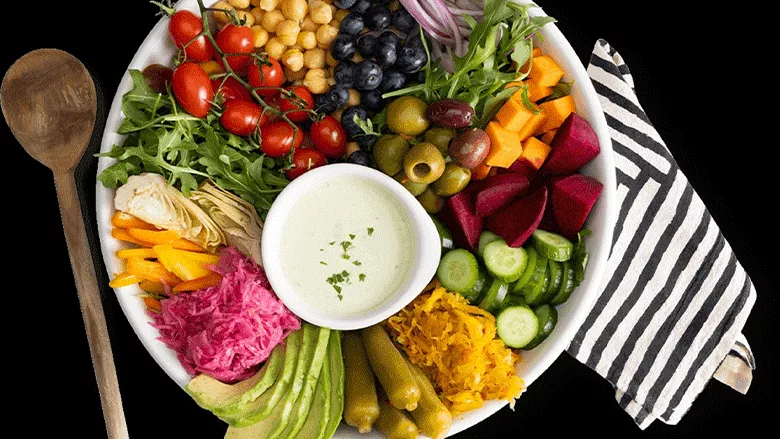
The variety of fruits, vegetables, and other foods that can be fermented for flavor and health is limited only by the creativity of the formulators.
PHOTO COURTESY OF: Olive My Pickle/The Pickle Factory Co.
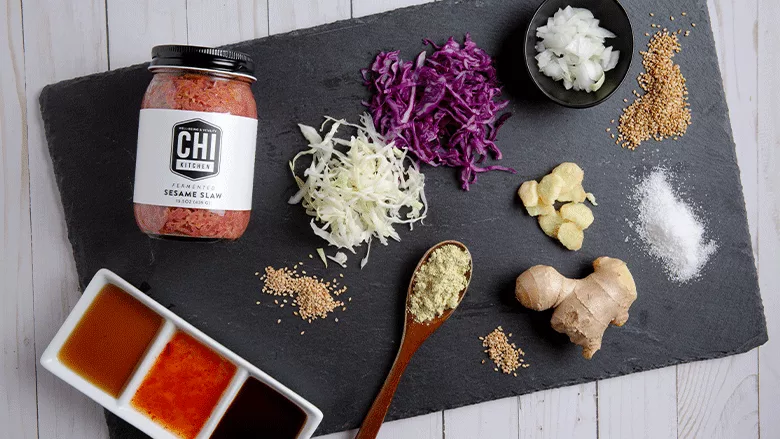
From kimchi to kraut, fermented vegetables with active probiotics have been trending especially well among younger consumers seeking global and ethnic flavors.
PHOTO COURTESY OF: CHI Kitchen/Chi Foods, LLC.
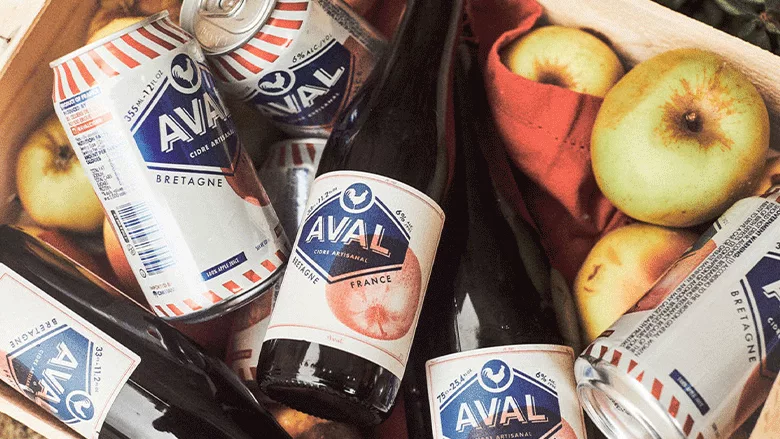
Cider, one of the most ancient fermented beverages, allowed for safe drinking before water purification was possible. Today its known that naturally fermented cider preserves vitamins and antioxidant polyphenols.
PHOTO COURTESY OF: Aval Cider Co.
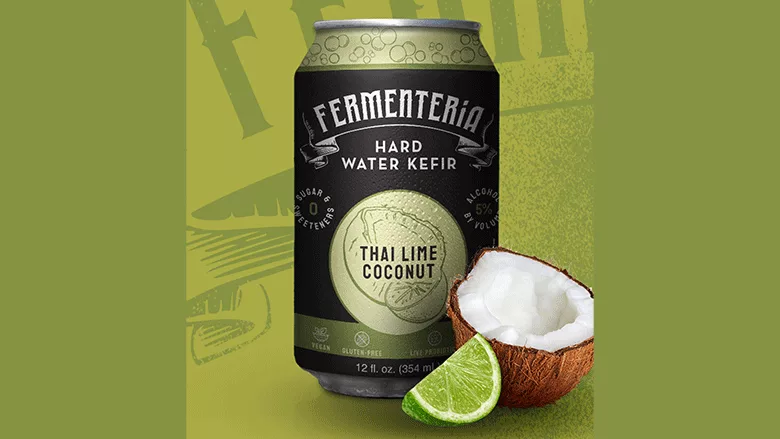
An interesting take on fermented beverages is a new drink line “made with only water, kefir crystal grains, raw cane sugar, and the magic of natural fermentation.”
PHOTO COURTESY OF: Fermenteria/Dragonstone, LLC
While the focus on immunity-supporting foods has centered on cultured yogurt and kefir and their plant-based analogs, the world of fermented food is vast and diverse. Both within the dairy category and beyond, fermented foods are not only flavorful and popular, but their health benefits are not limited to probiotics.
Fermented foods other than dairy are trending, with sauerkraut, kimchi, pickles, and other vegetables; kombucha; sourdough; natto and tempeh leading the pack. Yet with cultured dairy still at the forefront, there are multiple fermented dairy products that offer benefits besides the immunity support of probiotics.
While yogurt and kefir are certainly the stars in the world of fermented foods, their impressive growth in demand and sales led to a big—and welcome—boost in other cultured dairy products. Cottage cheese, when made from milk pasteurized prior to fermentation, develops live microorganisms with probiotic activity.
Quark is similar to cottage cheese in flavor and probiotic impact, but has a more dense texture than cottage cheese, similar to a soft cheese. Quark is a traditional and largely homemade staple throughout Europe, and especially Eastern Europe.
Both of these mild, creamy dairy products are prized for their high protein content and as excellent sources of calcium. Product makers and consumers alike appreciate their mild-to-neutral flavor that makes them perfect supporters of healthful stir-ins and inclusions, especially fruits, nuts, and seeds.
Similar to cottage cheese and quark, some aged cheeses such as cheddar also have a probiotic impact when consumed. Compared to yogurt and yogurt products, aged cheese contains more concentrated fat and protein content, reduced acidity, and individually unique textures that not only help support and protect the microorganisms from acid in the stomach, but also promote beneficial microbial establishment in the g.i. tract.
Assessment of probiotic survivability during aging is seemingly contradictory to the normal thought process of survivability of probiotic cultures. Probiotic-containing fermented foods typically need to be consumed as quickly as possible after fermentation to receive the most benefit from the probiotic strains. During storage under refrigerated conditions, probiotic survivability increases but will still decline over time, meaning the fresher the product, the better.
In cheese, however, the aging process—which can last anywhere between six to twelve months or even several years, depending on the variety—does not always prove fatal to the helpful bacteria. (This is especially true of blue cheeses, which include cultures of a number of “good” microbes.)
Studies have supported positive survivability of Bifidobacteria and Lactobacillus strains in cheddar and gouda cheese varieties, among others. Moreover, assessment of probiotic performance during ripening reveals that, while some strains do die, they leave behind other beneficial products of fermentation including short-chain fatty acids (SCFA), which are responsible for some of the characteristic flavors associated with fermented dairy products. SCFA are known to have a positive influenceon intestinal barrier integrity and boost immune function, and are present in most fermented foods in varying concentrations.
Although cheese can have probiotic qualities when consumed under refrigeration, cooking with cheese will reduce or completely remove any probiotic impact cheese could impart on the consumer. Many dishes include cooked and melted cheese, so these foods will only provide the benefits of the products of fermentation, such as short-chain fatty acids, from the probiotic organisms.
Getting Cultured
Buttermilk is not in and of itself a probiotic product. Buttermilk is the byproduct of churning sweet cream into butter. Cultured buttermilk, however, is produced by culturing skim milk with a bacterial culture and allowing it to mature. The two types of buttermilk are commonly confused, but only cultured buttermilk made from the addition of bacterial cultures has an opportunity for probiotic impact.
The probiotic impact of cultured buttermilk is comparable to that of yogurt, kefir, and other fermented dairy products. However, the more liquid consistency of cultured buttermilk allows for it to be used as a replacement for milk products for individuals experiencing lactose intolerance, providing the health benefits of both milk and cultured milk products. Even in uncultured form, buttermilk is a unique product in the sense that it contains greater levels of phospholipids and can act as an emulsifier. This makes it popular in the baking industry as an ingredient to improve the quality of baked goods.
Beyond Dairy
Dairy products are not the only fermented foods that confer a probiotic benefit to the consumer. Many vegetables have been successfully fermented and are regularly consumed around the world. Cabbage, in the form of sauerkraut and kimchi, and cucumbers made into pickles are popular examples. Also, Asian culinary traditions have introduced soy in its fermented forms of natto and tempeh.
Similar to dairy products, lactic acid bacterial strains are used in the production of plant-based fermented products, including species such as Lactobacillus plantarum and Leuconostoc mesenteroides. Traditional sauerkraut does not require the use of a starter culture, as it naturally contains lactic acid bacteria. However, in commercial production, starter cultures of lactic acid bacteria can be added, depending upon the process used to create the fermented product.
As with fermented dairy products, it is best to consume sauerkraut as soon after fermentation as possible to gain the probiotic benefits. Sauerkraut kept refrigerated has the greatest probiotic potential compared with sauerkraut exposed to heat through processes such as canning, since the high heat needed for canning kills probiotic bacteria.
Kimchi is a traditional Korean food made primarily from cabbage, but it also can contain a variety of vegetables, such as radishes, carrots, garlic, ginger, and scallions, as well as flavoring components such as chili flakes. Kimchi is popular because of the diversity in formulations and its intense flavor overall. Sauerkraut has a more tangy, acidic flavor whereas kimchi, despite being made from a base of cabbage, has a salty, slightly acidic, but spicier flavor, showcasing the importance of substrate—cabbage alone vs. a combination of vegetables—and culture selection for fermented foods.
Similar to the making of sauerkraut, the art of pickling has lately been extended to ferment and preserve a variety of vegetables on a commercial level. Pickled carrots, beets, peppers, and many other vegetables combined with Lactobacillus plantarum, acetic acid, and flavoring ingredients such as herbs and spices are common products that have been landing on supermarket shelves of late.
Unlike sauerkraut production, these vegetables are fermented with the addition of an active culture and an inhibitory compound—acetic acid—which is purposed to encourage proliferation of the desired bacteria while inhibiting growth of other, contaminating microbes that might be on the vegetables. When stored under refrigerated conditions, these foods provide a probiotic and functional effect for the consumer.
As with sauerkraut, many pickled vegetables are subsequently canned, exposing the probiotics to extreme heat, thus removing the probiotic aspect of the food. Not all probiotic cultures are heat intolerant, however: Cultures used for the fermentation of soybeans into natto are spore-forming organisms, which have a built-in survival mechanism for suboptimal conditions such as excessive heat or salt. Bacillus subtilis natto is used to ferment soybeans in this traditional Japanese ingredient.
Due to the resilience of the culture, natto may be consumed hot or cold, with excess salt, or even dried, and the culture will survive due to its ability to form a protective spore. This also enables the bacteria to withstand the brutality of stomach acid, aiding delivery to the small intestine, especially as natto does not have the protective fat common to dairy products that improves culture survivability. It should be noted that natto has a very strong aroma that some consumers do not favor. For some formulations, natto is best used in the company of potent masking flavors and aromas.
Although fermenting soybeans with B. subtilis natto creates natto, use of the fungal spore Rhizopus microsporus var. oligosporus creates a completely different product: tempeh. Tempeh is a popular food renowned for being inexpensive, easy to make, and overall, tasty. However, tempeh is typically cooked, creating what is known as a paraprobiotic effect. Even when probiotics are cooked, inactivated microbial cells still stimulate the immune system but are safer for consumption by the elderly and increase the shelf life of the product.
The benefits of cultured probiotic foods are vast. Through the fermentation of multiple foods by specific bacteria or fungi, product makers can create flavorful, value-added food and beverage products that benefit consumer gut health and immunity.
Tempeh Trade-off
The traditional soy product tempeh is typically consumed after being cooked, removing the probiotic benefits of the microbes used to ferment it. However, it can be classified as a paraprobiotic food. Paraprobiotics are heat- or otherwise inactivated microbial strains that create synbiotic compounds that might provide specific benefits to human health. In a release published by the National Institutes of health, it was noted that these treated microbes could “release key bacterial components, such as lipoteichoic acids, peptidoglycans, or exopolysaccharides which exhibit key immunomodulating effects and antagonizing properties against pathogens.” It also was suggested that “paraprobiotics can help exert positive biological responses and restore intestinal homeostasis in a similar manner to probiotics.” According to the NIH release, “Paraprobiotics…are gaining traction in recent years due to the concerns about the possibility of low tolerance of probiotics, especially in pediatric populations and in severely ill or immunocompromised patients.” This implies that tempeh and other heat-treated foods still offer some of the functional aspects of the fermentation, in addition to providing the nutritional benefit of the substrate.
Kombucha with Care
The tea fermented with symbiotic cultures of bacteria and yeast known as kombucha remains popular and generates around $2.5 billion in sales annually—a number expected to more than double by the end of the decade. However, although the product is available in countless flavors and iterations and touted for a wealth of health benefits—especially immunity—there remains little science to support the impressive health claims associated with traditionally prepared kombucha. Thus, many formulators of these beverages have taken to including prebiotic fibers and living probiotic cultures into their products. Developers seeking to create enhanced kombucha beverages should consult with ingredient technologists to ensure such additions remain functional and active throughout the production and packaging process and that shelf life and stability are ensured.
Looking for a reprint of this article?
From high-res PDFs to custom plaques, order your copy today!


