Edible Flowers in Food Product Development
The use of edible flowers is blossoming throughout the food and beverage industry
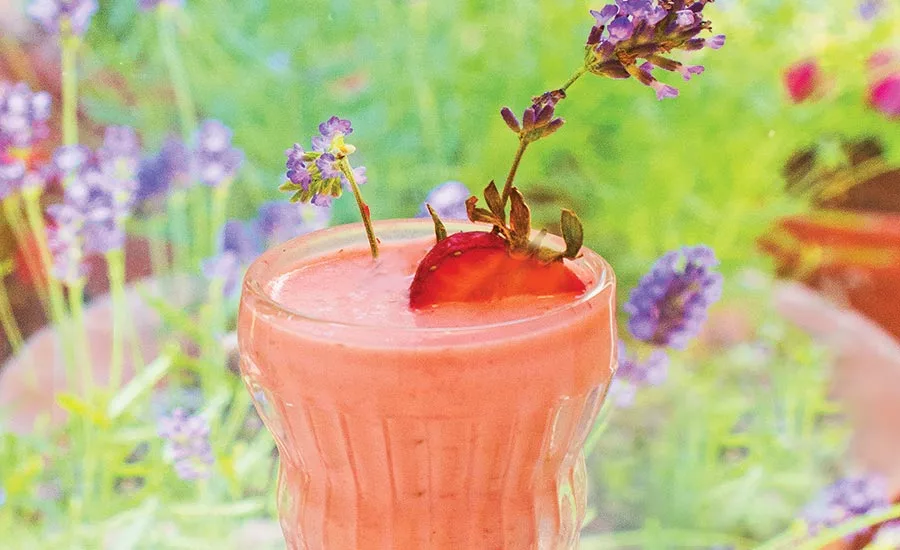
PHOTO: "THE ART OF COOKING WITH LAVENDER," BY NANCY BAGGETT (WWW.NANCYSLAVENDERPLACE.COM)
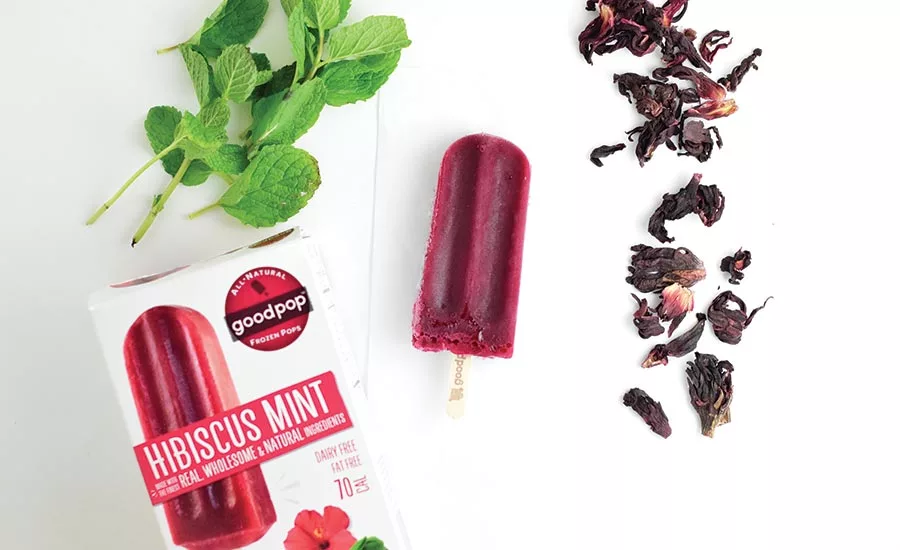
Stronger flowers, such as hibiscus with a tart flavor that pairs well with citrus and mint, have a versatility that appeals to both developers and consumers.
PHOTO COURTESY OF: GoodPop LLC (www.goodpops.com)
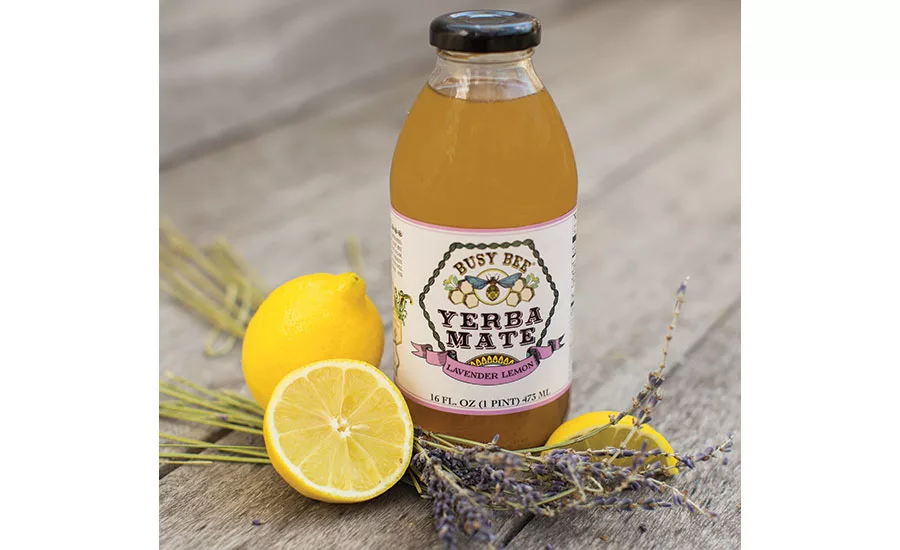
Flowers can be used to balance more pungent formulations, such as yerba maté, with both flavor and aromatic notes.
PHOTO COURTESY OF: Busy Bee Yerba Maté Co.(www.busybeemate.com)
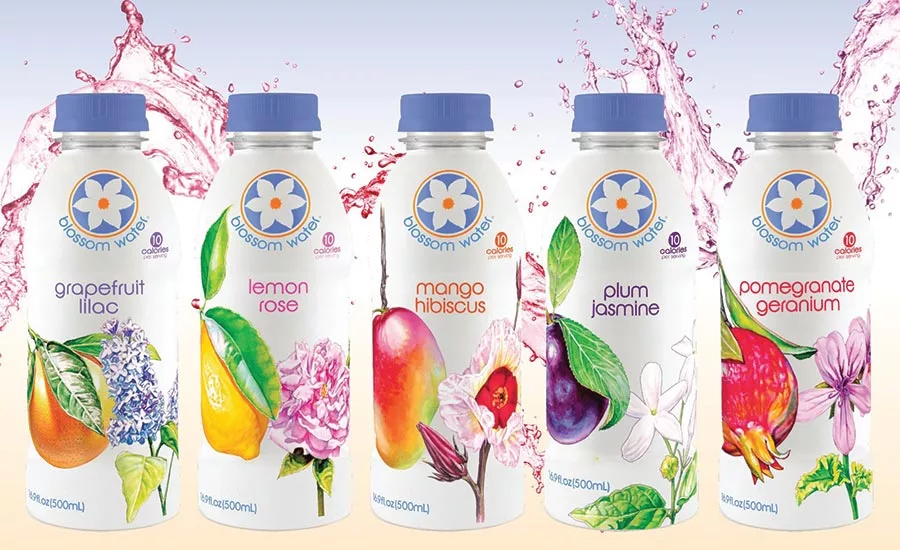
While many flowers already contain healthful phytochemicals, some companies are doubling the benefit by adding extra nutraceuticals to their formulations.
PHOTO COURTESY OF: Blossom Water LLC (www.drinkblossomwater.com)
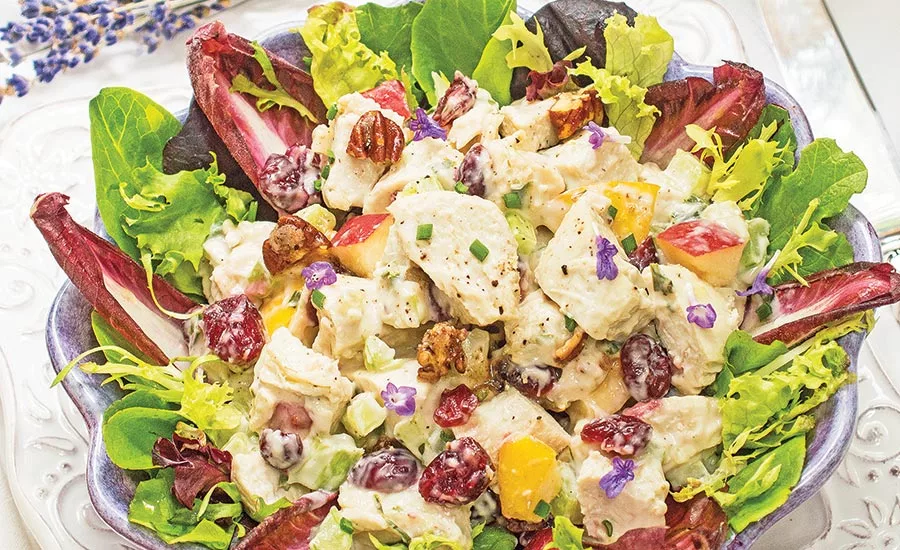
Dried flowers and floral extracts are the most common forms used in prepared foods and beverages, but using fresh, when possible, adds novelty and vibrancy.
PHOTO: “THE ART OF COOKING WITH LAVENDER,” BY NANCY BAGGETT (WWW.NANCYSLAVENDERPLACE.COM)
Edible flowers are incredibly diverse in flavor and fragrance, allowing formulators plenty of leeway to experiment and innovate with the pretty, delicate ingredients. Incorporating flowers into foods and beverages is trending hot. Whole Foods Market is just one major food purveyor that identified floral flavors as one of its top trends for 2018. But while trendy, the practice certainly isn’t new.
In fact, some uses of floral flavorings are so mainstream that their origin from flowers is “forgotten.” Think of the millennia-long tradition of using rose (Rosa damascena) and saffron (Crocus sativus) in Middle Eastern and Indian cooking, or the flor de jamaica hibiscus (Hibiscus sabdariffa) beverages that for centuries have quenched thirst and recharged weary bodies in Latin America and the Caribbean.
The 1970s and 1980s saw a burst of popularity of edible flowers on the culinary scene. Violets (Viola odorata), pansies (Viola tricolor), and nasturtiums (Tropaeolum majus), with their sweet, peppery flavor, were used as edible garnishes and tossed into many a salad for a brief while. And fried stuffed squash blossoms (Cucurbita pepo) still appear on high-end menus during summers.
Drink the Bud
Recently, more beverages than foods have become the vehicles of choice for the flavors of flowers. Just two examples of up-and-coming companies diving into the field are H2rose LLC, with a line of rosewater and fruit-flavored beverages, and Cawston Press Ltd., featuring a carbonated apple lemonade flavored with elderflower (Sambucus spp.).
Another company, Blossom Water LLC, has gone out on a limb—or a vine—betting on the attraction of more bold flowers such as lilac (Sambucus spp.) and geranium (Pelargonium graveolens), which it mixes with equally assertive fruit flavors such as grapefruit and pomegranate, respectively. The company also broadens its reach with a lemon-rose variety and a nod to two Asian flavor favorites with its plum-jasmine (Jasminum officinale) beverage.
The Floral Elixir Co. has crafted more concentrated delivery with its potent cocktail syrups made from violets, hibiscus, lavender, rose, and cherry blossoms (Prunus serrulata). Each is strong and aromatic, yet delicately sweet, balanced with citrus fruit extracts. The syrups are used to enhance cocktails, mocktails, and other beverages.
GT’s Living Foods LLC, which bills itself as the maker of the original kombucha beverages, recently stuck a toe in the flowered waters. As a limited-
edition offering for spring, the company added elderflower, jasmine, and violet flavors to its already leading brand of the trendy fermented beverage.
Blossom and Fade
The perishable nature of flowers presents delicate technical challenges when taking advantage of their diverse properties in batch-prepared products. Outside of the ingredients’ fragility, the foremost challenge for the prepared products industry is acquiring an ample supply of a fresh harvest.
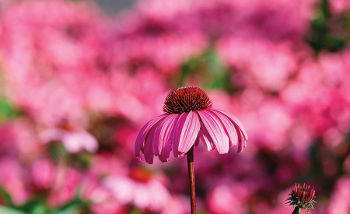
PHOTO COURTESY OF: Frutarom Health Ltd./IFF Inc. (www.frutarom.com)
Bloom of Health
The world of nutraceuticals has always paid close attention to the healthy properties of flowers. Herbal medicine traditions of every culture include certain flowers—buds as well as blossoms—in their botanical tool chests. Today’s nutraceutical ingredient makers are drawing on floral sources for benefits ranging from relaxation to immunity.
For example, an extract of echinacea (Echinacea purpurea) flowers has recently been studied for its ability to help enhance immune function and reverse stress-induced changes in T-cells and cytokines, restoring them to levels similar to those in healthy subjects. The carotenoid zeaxanthin, a powerful supporter of eye health, is another flower-sourced fighter of disease and dysfunction, being derived from marigold flowers.
Most flowers have beneficial phytochemicals that can help protect the body from heart disease and even certain cancers. Moving from the other direction, Blossom Water LLC reformulated some of its flower-infused beverages with exogenous nutraceutical ingredients to double the health “punch.” For example, the company added probiotics, specifically the hardy Bacillus coagulans BC30 strain, to some of its products.
Daniel Goetz, CEO and founder of frozen treat maker GoodPop LLC, cites the sourcing difficulties he faces with hibiscus as a perfect example. “Most hibiscus flowers are grown internationally, and finding a steady supply of not only organic but also fair-trade hibiscus has been a challenge.” It is necessary to work closely with reliable suppliers who have the reach to access multiple sources.
Included in the sourcing equation is the need for consistency in ingredient quality to ensure consistency across the final formulation. Manufacturers need to be nimble so they can increase production levels with demand, yet maintain or exceed the finished product’s quality at scale-up.
Sourcing is especially tricky for ingredients that are so highly susceptible to external factors. Season, region, age, harvesting and transportation stresses, storage, light, and temperature all impact flowers to a much greater degree than they affect even the most exotic fruits and vegetables.
As harvested flowers age and are exposed to light, air, and temperature shifts, they begin to lose their flavor, fragrance, color, and nutritional value. “The best way to avoid getting stale flowers is to buy regionally—American or Canadian—and to request your supplier’s most recent harvest,” says Nancy Baggett, product development consultant and award-winning author of “The Art of Cooking with Lavender” (Kitchenlane Productions Press, 2016).
To maximize aroma and flavor, flowers should be kept in the dark, refrigerated, and used as soon as possible. Purchase only as needed and consider pre-purchasing the desired volume in time for an upcoming harvest in accordance with the manufacturing date.
Flowering Flavor
While using flowers in foods might seem to be loaded with challenges, there are many benefits that make doing so worthwhile. Flowers provide natural colors, health advantages, unique flavors and aromas, and a sense of comfort, familiarity, and novelty to and for the consumer.
When it comes to edible flowers, organic are best. With conventionally grown flowers, there is nothing to protect them from chemical pesticides that cannot be washed off without damaging the dainty petals and destroying their organoleptic and nutraceutical properties.
In addition, formulators are advised to avoid using essential oils of flowers for consumable goods. While essential oils are readily available, the distillation process utilizes high temperatures that negatively impact flavor and nutrition. Use of essential oils more typically is intended for aroma.
Good sourcing is the key to consistency in flavor and aroma for floral foods and beverages.
Actual flavor and fragrance extraction from flowers is the next set of challenges for formulators. Along with the uniqueness of each edible flower comes the unique and delicate processes they must undergo for optimal flavor, fragrance, and color retention.
Flowers such as lavender, violets, nasturtium, or elderflower commonly are plunged into scalding hot water for prolonged periods of time. But this destroys subtle flavors and aromas. Baggett recommends avoiding adding any heat to, for example, nasturtiums.
Baggett uses cold infusions to extract the watercress-vegetal flavor and nutritional properties of the bright orange blooms. The flavor is no surprise, as nasturtiums are cousins to watercress and are members of the Brassicaceae family of cabbages, Brussels sprouts, mustard, and broccoli.
Baggett advises using an unseasoned rice vinegar with fully bloomed nasturtium blossoms. “Leave them floating and enjoy the visual pizzazz they add, as well as how well the flavor and color hold up in the vinegar,” she enthuses.
While the vibrant color of nasturtium can hold up well in vinegar, the same cannot be said about violets (genus Viola). Violets will get bleached out by the acid in vinegar.
Some flowers, however, can take the heat and even come out better for it. While still delicate, the corollas of lavender (Lavandula) can safely be introduced to low levels of heat for short periods of time. Once the mixture is fragrant, remove it from the heat. Too much heat and too much time lead to over-extraction and result in a bitter flavor.
An additional challenge that presents itself with lavender is the dulling of the lovely and often desired pink-purple color when acids, like citrus, are introduced to the extraction mixture. But for the sake of flavor, citrus and lavender make an excellent pairing.
To work around the brown hues that result when acids are added to a lavender extraction, use the brightest corollas possible. The violet-blue buds of the Hidcote Blue variety (L. angustifolia) of English lavender are the best choice, according to Baggett. Baggett also suggests pairing lavender with a richly colored fruit, especially one with a purple-pink tone, such as a berry.
Floral Spectrum
When extracting the subtle flavor and fragrance from the pale chamomile flower (Asteraceae), the goal is balance. “We did a lot of R&D, and ran through numerous iterations, to hit the perfect balance between chamomile and vanilla so that one flavor didn’t overpower the other,” says Alan Murray, CEO of NextFoods Inc., referring to the company’s GoodBelly Vanilla Chamomile Probiotic Shot.
With flowers that have less robust flavors and aromas, like chamomile (Matricaria chamomilla), over-sweetening or other imbalances of flavor components can be a challenge. Don’t settle for an under-represented flavor that leaves the consumer wanting more. This could require greater than usual investments in formulation experimentation to achieve an ideal flavor and aroma profile.
On the other side of the field, there is the hardy hibiscus flower. A well-known medicinal botanical, hibiscus has a long history of use to lower blood pressure and improve heart health. This likely has to do with the fact that hibiscus is loaded with vitamin C, as well as anthocyanins that give this flower its deep red coloration.
Hibiscus blooms can be submerged in hot water for extended periods of time, safely extracting the tart flavor while rich plumes of crimson fill the water, culminating in a hue much like cranberry, but even richer. While hibiscus isn’t as delicate as most flowers are in preparation, the flavor balance is still a challenge. Differing from the floral notes and aromas of most edible flowers, hibiscus is tart and can be overpowering if improperly employed. Hibiscus does not always play well with others.
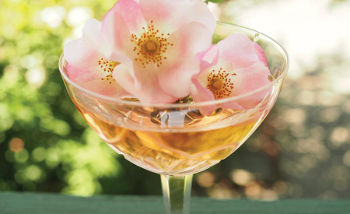
PHOTO COURTESY OF: Floral Elixir Co. (www.drinkyourflowers.com)
The Nose Knows
The importance of the olfactory function cannot be emphasized enough when it comes to prepared foods. Often, what consumers feel is
missing from a purchased item versus a homemade one is the fragrance. It’s well established that the olfactory function provides most of the sense of flavor.
Fragrance further adds complexity to flavor by lending hundreds of additional notes and layers. Think: zesty, floral, fruity, nutty, and spicy. But the sense of smell also is intrinsically tied to memory, so utilizing flowers in foods is an excellent approach for inspiring consumer interest. Evoking pleasing and comforting memories and emotions can pluck the heart strings as well as the palate and forge emotional connections to the product.
This is not the case, however, for GoodPop’s Hibiscus Mint popsicle. This popsicle has a rich, deep red color, with the hibiscus and mint flavors in perfect proportion. The strong flavor of mint and the sharp tang of hibiscus have been rounded out with cane sugar and lime juice. According to Goetz, this is the result of diligent R&D.
Another advantage to using flowers in formulations comes from the consumer knowing that the fragrances and flavors are derived from plants rather than artificial sources, which the market is moving away from.
Future Bouquet
Some flowers have been experiencing increased attention in the food and beverage industry. Long popular in Europe in beverages both hot and cold, elderflower is taking root in the US scene. It adds subtle flavor and a gentle aroma to beverages, and couples well with fruits and herbs.
Flowers from chives, basil, and other herbs are increasingly making their way into fresh salad mixes and similar products. Also, lavender is predicted to expand from teas, candies, and baked items such as cakes and cookies into savory foods and sauces.
Classic floral ingredients used throughout the Middle East and South Asia, such as rose and orange blossom, also have been seeing greater interest. This is due to global cuisines leaving the comfort zones of mainstream offerings and focusing on more regional and esoteric flavorings.
Curiosity, novelty, and innovation are the features driving the market to pay closer attention to consumable flowers. Formulators can keep this interest alive through fearless experimentation and creativity, allowing them to take advantage of the true essence of a whole plant, rather than just the more common parts. Developers shouldn’t just stop and smell the roses—they should taste them, feel them, be inspired by the beauty of their flavors and aromas, and incorporate those into exciting new products.
Originally appeared in the June, 2018 issue of Prepared Foods as Flower Power.
Looking for a reprint of this article?
From high-res PDFs to custom plaques, order your copy today!


