How to Develop Asian-style Flavor Formulations
Research chefs are revisiting concentrated ingredients as a pivotal tool in a complex process
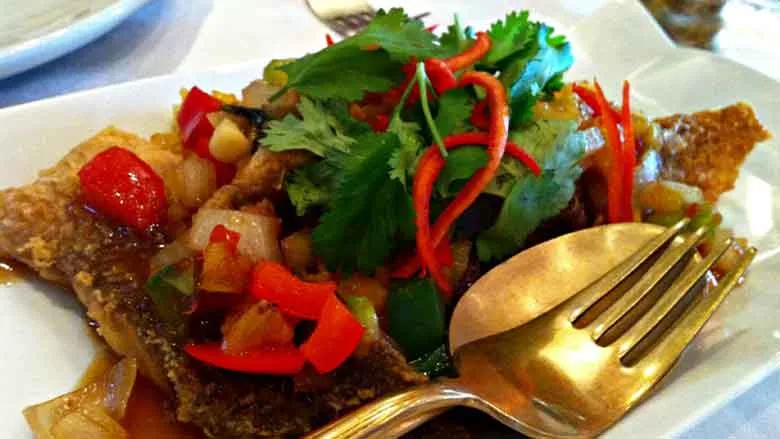
The use of concentrates from stocks, bases, and other ingredients in food development contribute to the sensory and functional qualities of prepared foods.
PHOTO COURTESY OF: Blue Elephant Group, Ltd./Royal Thai
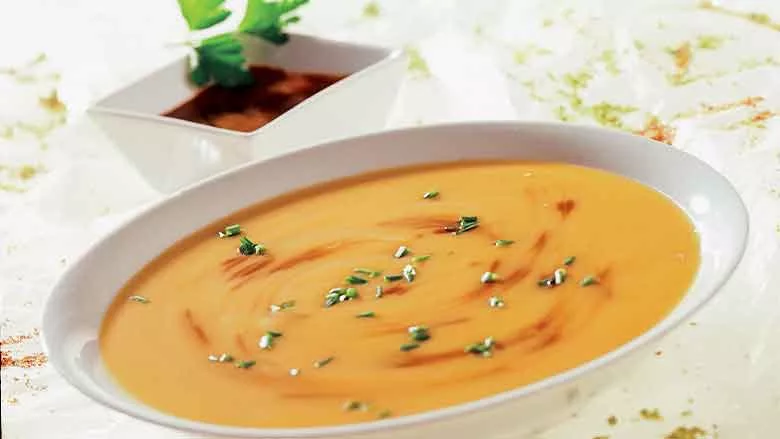
Dry concentrates, such as yeast extracts, add powerful natural flavor enhancement without taking up volume or altering texture in the final product formulation.
PHOTO COURTESY OF: Bio Springer, SA
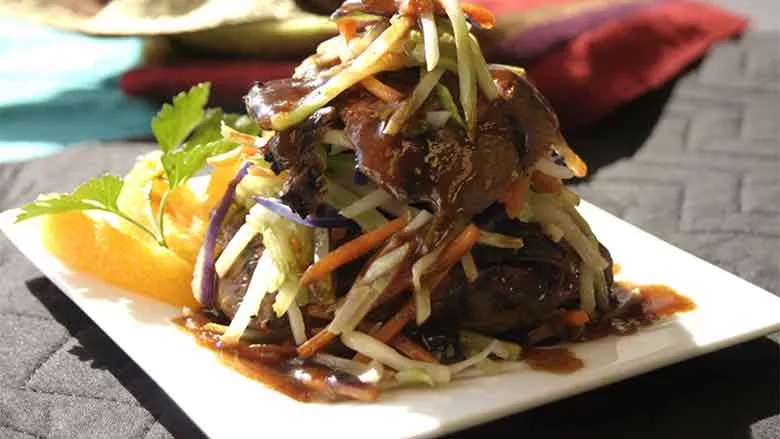
Concentrated flavor ingredients can be essential tools in creating flavorful sauces, dressings, and condiments, enhancing sensory attributes and extending shelf life.
PHOTO COURTESY OF: Lee Kum Kee Co.
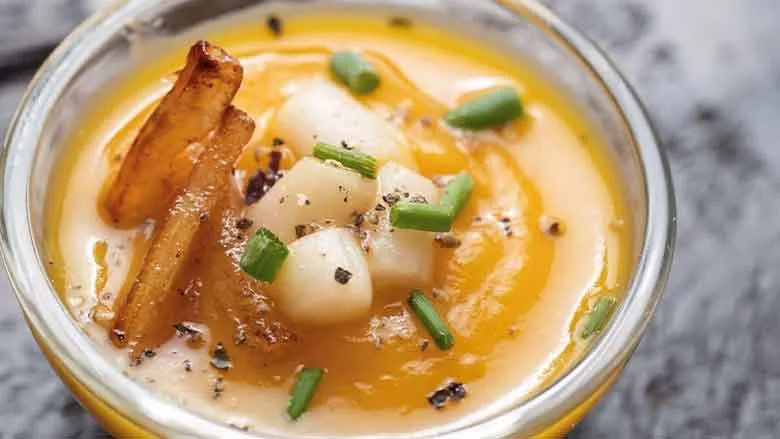
The use of authentic, flavorful sauces can be an excellent tool for enhancing consumer acceptance of such new proteins as cell-cultured seafood.
PHOTO COURTESY OF: BluNalu, Inc.
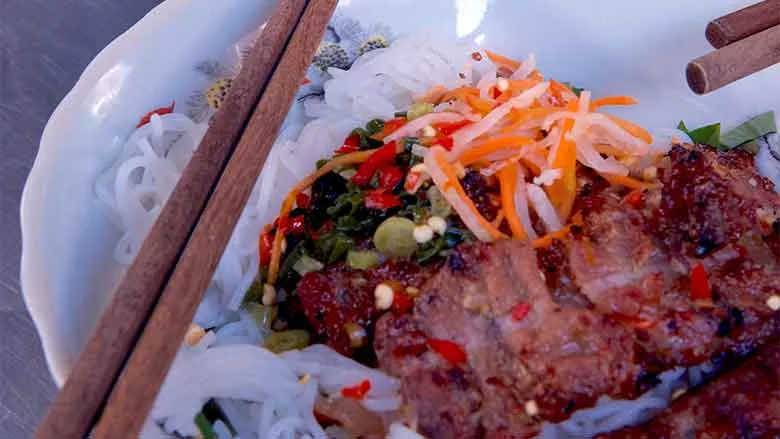
Piquant sauces that also combine savory and sweet notes temper the chili peppers while exciting the palate.
PHOTO COURTESY OF: Robert Danhi/CJ Powell-ChoLon Concepts
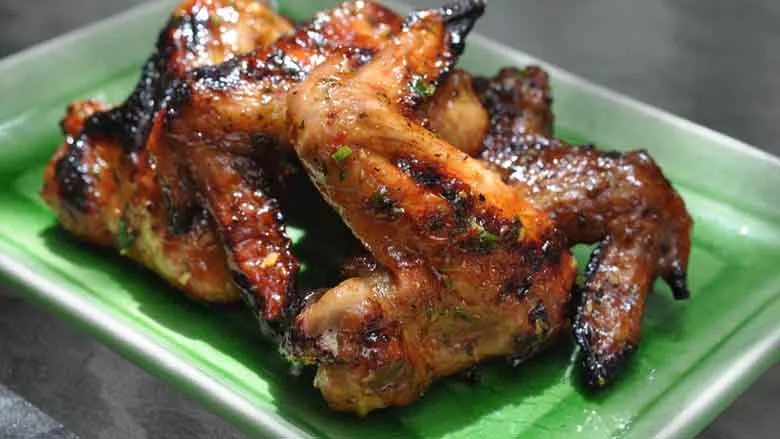
Reductions are ideal for adding depth and richness to a sauce or infusing an umami “bomb” into sauces.
PHOTO COURTESY OF: Robert Danhi/CJ Powell-ChoLon Concepts
Product development in the realm of prepared foods transcends merely crafting great-tasting dishes and beverages. It involves a multifaceted strategy where each member of the development team meticulously selects ingredients to ensure they contribute not only to functionality but to optimal consumer satisfaction. The goal is to meet or exceed consumer expectations across all sensory dimensions—appearance, taste, aroma, and texture.
To meet such a goal, research chefs are revisiting concentrated ingredients as a pivotal tool in this complex process. Such ingredients enable the creation of multiple desirable sensory attributes. They enhance the visual appeal, flavor profile, aromatic quality, and mouthfeel of products.
Beyond sensory enhancement, reductions and other concentrates also play a crucial functional role: By reducing moisture, and thus water activity (AW), they help extend the shelf life of products by inhibiting microbiological growth. This technique also ensures that the intensity of flavor remains consistent and the end product is safe throughout the product’s lifecycle.
When it comes to enhancing the creative process, product developers can leverage extractions, reductions, distillations, and concentrates in formulations and recipes to create components that are stacked, mixed, or combined, ultimately building prepared foods ready for the shelves.
In the context of Asian cuisines, extracts and essences are typically used sparingly due to their high potency. This allows for significant flavor enhancement using minimal quantities. Primary examples include soy sauce and fish sauce (nuoc mam or nam pla). Just a few drops of these infuse a dish with umami richness. Such concentrated ingredients can dramatically elevate the taste profile of various dishes, adding depth and complexity without overwhelming the other flavors.
Reductions can be considered the heart of flavor concentration. This age-old culinary technique of reducing moisture through simmering transforms simple ingredients into rich, concentrated marvels such as “jus,” “glaçe,” “glaze,” and “gastrique.” Examples include the classic demi-glaçe (sometimes with an added layer of consistency from modern gums), and balsamic vinegar reductions, thickened to syrup.
Creating reductions involves the careful removal of moisture from a liquid through boiling or vacuum evaporation. This process, meticulously controlled for heat and time, ensures that flavors are intensified without altering their essential character. The resulting reductions not only pack a powerful flavor punch but also deliver a desirable texture and mouthfeel. They come in various forms to meet diverse product needs, from shelf-stable glazes to refrigerated demi-glaçes and frozen stocks and sauces.
In Asian prepared foods, reductions are a “secret weapon” for adding depth and richness. For example, a 50°N fish sauce reduction (°N or “degrees nitrogen” refers to the percentage of protein) infuses an umami “bomb” into sauces and dressings. Using a beef concentrate in onion soup dumplings enables formulators to save labor and costs while maintaining consistency.
This reduction in moisture is essential to the final cooking process, allowing the meat to brown easily and develop another layer of flavor. Marinades for grilling and roasting also benefit immensely from reductions, which deliver a concentrated burst of flavor that permeates the meat to create a succulent, mouthwatering experience.
Not all manufacturers have the time or resources for the multi-step processes involved in making reductions. Depending on the brand, product portfolio, format (refrigerated, frozen, shelf stable), or price point, purchased concentrates and bases from a reliable flavor house can be a viable option. Being in a concentrated form from the start, they can simplify the production process while still delivering the intense flavors and consistency that consumers crave.
Concentrates & Bases
Concentrates and bases are excellent avenues to flavor enhancement in prepared foods. They are made by concentrating existing flavors through methods like evaporation, spray drying, drum drying, infrared dehydration, or freeze-drying. The result is a potent paste or powder that delivers intense flavors in small amounts. This process ensures consistent taste across batches, making concentrates and bases reliable tools for product developers.
Since concentrates and bases can be somewhat complicated and time-consuming to manufacture, they often are purchased as a powder or paste. Some powdered concentrates currently trending include fish sauce powder, shiitake mushroom powder, soy sauce powder, and chicken powder. However, they have been a staple in many Asian kitchens for centuries. Not to be confused with another type of concentrate, bouillon, chicken powder is a single ingredient, with no flavorings, additives, or enhancers.
Such pure powdered flavors are highly versatile and are not only used in soups and sauces, but also in snacks, coatings, seasonings, low-moisture marinades, and any formulation requiring a powerful and distinctive flavor. The absence of moisture in powdered concentrates allows for creativity across numberless savory applications, making them prime demonstrations of the potential of concentrates and bases in product development.
Prepared food manufacturers can choose from various forms of concentrates and bases, such as shelf-stable bouillon cubes, powdered broths, refrigerated liquid bases, and frozen concentrates. This flexibility allows for tailored applications in different culinary contexts, ensuring that the final product meets consumer expectations for taste and quality.
Distillations
Distillation, a process dating back centuries, separates the components of a liquid mixture through selective boiling and condensation. This method yields highly concentrated, pure flavor compounds, making it a valuable technique in food and beverage production. By isolating specific flavor compounds, distillation ensures consistency and allows for precise flavor customization, offering a purer and more intense flavor profile than other extraction methods.
Distillates are less commonly used in traditional Asian foods than other concentrated ingredients, but they offer unique benefits. Their high potency and purity make them suitable for applications where intense, precise flavors are required without affecting the food’s texture or moisture content. For example, a honey distillate can add a nuanced sweetness to a sauce without making it overly sticky or altering its physical consistency.
In the commercial production of walnut honey shrimp, using soy sauce distillate and honey distillate can significantly enhance flavor while maintaining consistency and stability. Incorporating the honey distillate offers a potent, pure sweetness that binds well with the walnuts, creating a caramelized coating that adheres perfectly to the shrimp. The use of honey distillate also ensures a consistent flavor profile, as it remains stable throughout the cooking and storage processes.
The soy sauce distillate provides a robust umami base, crucial for creating a savory profile that complements the sweetness of the honey. This concentrated form of soy sauce ensures that the shrimp marinades and coatings are richly flavored without the excess moisture that could affect the finished product texture. The combination of the two allows for a balanced flavor experience, blending the savory depth of soy with the natural sweetness of honey, elevating the dish’s overall appeal.
Formula for Flavor
For Asian prepared foods, product development goes beyond merely crafting delicious formulations. It involves ensuring functionality and consumer satisfaction through strategic ingredient selection. Concentrated flavor ingredients are essential in this process, enhancing sensory attributes and extending shelf life. These ingredients fall into four main categories: extractions, reductions, concentrates and bases, and distillations.
Beyond providing their own burst of flavor, extractions and infusions draw out rich secondary flavors from herbs, spices, as well as the main components of a dish. Reductions intensify flavors by removing moisture through simmering or boiling.
Concentrates and bases, created by evaporating or drying existing flavors, deliver intense flavors in small amounts—essential for versatility in various culinary applications. Distillations, isolating pure flavor compounds through selective boiling and condensation, ensure consistency and precise flavor customization without altering food texture.
Concentrated ingredients enable product developers to create consistent, flavorful, and appealing Asian prepared foods that meet and exceed consumer expectations across all sensory dimensions. Working with flavor houses to acquire pure, natural forms of these ingredients can save the developer of Asian-style prepared foods time and resources, without compromising quality.
Robert Danhi, Curator of Cultures, leverages his deep knowledge and passion as a consultant to foodservice operators, CPG companies, commodity boards, and educational organizations. An award-winning author and TV host, Danhi has consulted for multiple Fortune 500 companies. He recently launched the Culinary Life Skills program for hearing-disabled children in Vietnam, a program that helps kids aged 10-14 learn cooking, kitchen safety, and gardening, empowering them to care for themselves and their families. To learn more about the program, click here Culinary Life Skills or reach out to Chef Danhi at www.chefdanhi.com.
Fond Foundation
Stocks and broths–known in culinology as “fond”– are the foundations of cuisine. These infusions of liquid are derived by extracting flavorful components from bones (meat, poultry, or fish), vegetables, and aromatic herbs and spices. They are not the fully concentrated versions but the first stage in the reduction process.
Sweet Science
Reductions and concentrations often involve a different approach when working with confections and beverages. Infusing herbs into syrups is a common culinary tool, but there is a lot of room for inconsistency and often they are not concentrated enough to add strong flavor to prepared products. Better tools for the product development professional are extracts and essences. Two prominent examples are vanilla extract and almond extract.
For the more subtle flavors not concentrated or stable enough to impart significant flavor, for example citrus and floral flavors like orange blossom or rose water, the developer will want to use flavors that are more concentrated from flavor houses. These typically are available as natural flavor systems or artificial flavors. Other sweet concentrates to consider are powdered version of honey or maple syrup, and dairy products such as condensed milk. The latter offers unique flavor, form, and texture changes when retorted.
Looking for a reprint of this article?
From high-res PDFs to custom plaques, order your copy today!


