Beyond the Hype: How GLP-1 Medications Are Reshaping Weight Management and Nutrition Trends
April 8, 2025
Beyond the Hype: How GLP-1 Medications Are Reshaping Weight Management and Nutrition Trends
April 8, 2025Nutrition-based approaches to weight management are placing foods and ingredients that help naturally stimulate GLP-1 at the forefront. samael334 / Creatas Video+ / Getty Images Plus

The meteoric rise of the drug semaglutide (marketed as Ozempic or Wegovy) seemed at first to promise an end to dieting. Semaglutide was developed to mimic the multifunctional hormone glucagon-like peptide-1 (GLP-1) as a way to help ameliorate the symptoms of diabetes.
GLP-1 is naturally produced in the body to boost insulin sensitivity and promote insulin production, helping to regulate the metabolism of glucose and lower its levels in the bloodstream. GLP-1 also reduces the intake of energy and slows gastric emptying to promote the feeling of fullness and satiety. A significant “side effect” of the drug was that of better weight loss and weight management.


Although the drugs were designed to address the specific disease state of type-2 diabetes, their qualities made the pharmaceutical analogs of GLP-1 seem like the answer to the obesity epidemic. These and other, similar pharmaceutical interventions soon began to be applied and even prescribed solely for weight reduction.
Then, within a few years of their use as weight-loss drugs in non-diabetic persons, reports of undesirable side effects from their usage began to surface. These range from nausea and mild g.i. issues to muscle wasting, intestinal blockage, and necrosis. Lately, some reports are suggesting possible links between use of semaglutide in non-diabetics to kidney or heart damage—issues the drugs were shown to actually help persons with diabetes avoid.
While the drugs help the body lose weight, it is an overall weight loss that includes both fat and muscle. Muscle loss—especially in middle-aged women and older adults—can lead to a host of dysfunctions and disabilities. “Muscle loss also promotes further dysfunction of the glucose uptake mechanisms, promoting the effects of diabetes and typically making it much worse,” notes Dana McCurdy, PhD. “Muscle tissue uses a great deal of glucose, which is why activity and muscle nourishment and maintenance in older age is so important.”

While it is understood that the drugs have also proven to be safe and effective for thousands, the negative issues have led to a rush of consumers seeking nutrition-based alternatives. Nevertheless, even among those for whom the drugs can be advantageous, their benefits should not be misunderstood.
“GLP-1 medications don’t have a mechanism to ‘burn off’ weight,” warns Keith Ayoob, EdD, RDN, Associate Professor Emeritus of Pediatrics at Albert Einstein College of Medicine in New York. “They work by turning off the desire for food. Users should be cautioned that they aren’t a license to eat as much as you want and believe that the semaglutide will do all the work when it comes to healthful weight loss.”
Root, Leaf, and Hunger
by Dana McCurdy, PhD
In addition to the macronutrients (protein, complex carbohydrates, and lipids), probiotics, and even certain vitamins and minerals, a host of botanicals and mycoceuticals (bioactive fungi) long recognized via traditional practices have demonstrated effectiveness at increasing GLP-1 levels naturally. The polysaccharide compounds called beta-glucans from mushrooms function as indigestible fibers that feed beneficial bacteria, which in turn produce short-chain fatty acids and trigger GLP-1 release.
However, some mushrooms, such as maitake (a.k.a. hen-of-the-woods) release an inhibitor of alpha glucosidase, a compound that helps digest carbohydrates. By slowing down carbohydrate absorption, glucose is more evenly released into the bloodstream. Some mushrooms also contain flavonoid compounds that can switch on fat-metabolizing enzymes and stimulate cellular glucose uptake.
Among the botanicals, centuries of traditional herblore have cited blood glucose- and hunger-mediating abilities of specific roots, leaves, berries, bark, and rhizomes. Modern research has identified phytochemicals that support at least in part some of these capacities. Some of the many examples include cinnamon bark, maté, tarragon, yacon, bitter melon, mango leaves, fenugreek, chili peppers (capsaicin), barberry root (berberine), turmeric (curcumin), ginger, galangal, and fennel seed.
Focus on Food
The renewed emphasis on natural nutrition-based approaches to weight management is placing foods and ingredients that help naturally stimulate GLP-1 at the forefront. Fortunately for product developers, there are a number of such ingredients, across many categories.
Looking for a reprint of this article?
From high-res PDFs to custom plaques, order your copy today!
First, it is important for food and beverage developers to know the primary role played by GLP-1. For that, it is worth taking a look back a couple of decades when satiety was paramount when it came to weight management. GLP-1 is one of several primary satiety hormones. When a person feels full—sated—the hunger urge is tamped down and they will eat less. Foods and ingredients that are quick to trigger the satiety hormones result in the desire to eat being curbed sooner and possibly in fewer calories being ingested.
While a number of ingredients already are competing for space in the GLP-1 promotion arena, some basic items have shown themselves to be excellent promoters of satiety. They include ingredients from the three main types of macronutrients: protein, lipids, and carbohydrates. Of these, protein sources are currently in the limelight, as protein also is a primary nutrient need for persons who are on semaglutide.
Among the animal-derived proteins—eggs, seafood, dairy, meat, and poultry—eggs and seafood are the most highly bioavailable. However, all these protein sources increase satiety by stimulating the production of GLP-1. They also metabolize more slowly; this longer period contributes to a more even balancing of blood sugar levels.
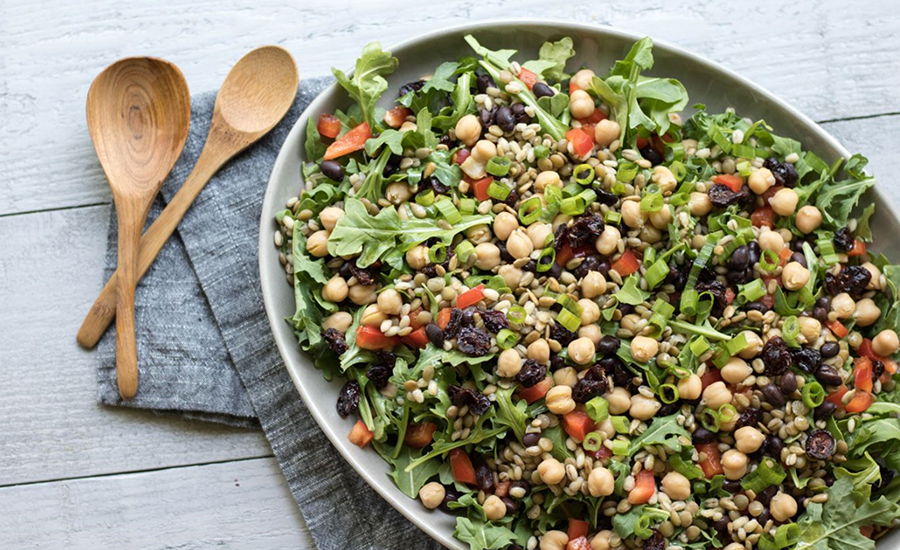
Plant sources of protein, especially as protein concentrates such as those from seeds, such as pumpkin and sunflower seeds, and from peas, chickpeas, and other legumes, have demonstrated a capacity for elevating production of GLP-1. All seeds and whole grains have protein, but nuts are another GLP-1 booster, with protein levels close to the highest-protein seeds. Peanuts, almonds, and pistachios are among the best nuts for protein content.
Downsizing
Users of GLP-1 medications for weight loss are reaching for smaller package sizes and for foods with functional benefits, according to new study released by AMC Global Research, an international custom market research firm specializing in launch strategies and brand tracking, in conjunction with OpinionRoute, a leader in insights process management. The study concerned users of GLP-1 medications—such as Ozempic, Mounjaro, Trulicity, and Wegovy—and their food choices. Estimates are that 7% of the population has used GLP-1 medications specifically for weight loss.
As this group expands, the shopping and behavioral changes of its subjects could present marketplace challenges for food and beverage manufacturers. GLP-1 medication users are eating less overall and shifting toward healthier eating habits. They also share that they are focusing more on home-cooked meals and increasing their intake of whole foods and protein-rich options. Additionally, they are seeking foods with added functional benefits, such as fiber and vitamins, and pre-packaged foods that offer smaller portions.

GLP-1 Helpers
In addition to having comparatively quick onset, duration is also an important attribute in an effective GLP-1 supporting ingredient. This is where important carbohydrates for raising GLP-1 qualify. These include resistant starches, fibers, and beta-glucans. By slowing gastric emptying and creating “bulk,” they readily trigger a feeling of fullness.
For the feeling of fullness to be most effective, it needs to have a rapid onset. This is where GLP-1 promoting fats and carbohydrates come in. Consumers can take heart knowing that among the fats, the heart-healthy unsaturated fats are best at stimulating the GLP-1 hormones. Oleic acid-containing oils, especially those from olives, avocados, chia, flaxseed, and high-oleic breeds of canola, sunflower, and soy, have demonstrated excellent GLP-1 promotion capacity. Fish oils, too, are good GLP-1 producers.
Fats also stimulate the release of bile acids from the liver. When bile acids reach the g.i. tract, they are altered into different forms, some of which can bind to specific receptors in the intestinal lining that release GLP-1. Other byproducts of fat metabolism are monoglycerides such as 2-oleoyl glycerol (2-OG), which is produced in the g.i. tract by beneficial bacteria and helps in the production of GLP-1.
Encompassing the first two of these three main ingredients—healthful oils and protein—are omega-rich fish, such as salmon. Not only is salmon among the richest sources of omega-3 fatty acids, but a clinical study published in October 2024 in the journal Marine Drugs revealed that the smallest peptide fractions derived from salmon-based soluble protein hydrolysate enhanced GLP-1 by more than double compared to other salmon peptides.
The study also found that the receptor activity of another satiety-related peptide, gastric inhibitory polypeptide (GIP), increased by more than two and a half times that of other salmon peptides. The salmon peptides also exhibited a protective effect on the insulin-producing pancreatic islet cells.
Gut Reaction
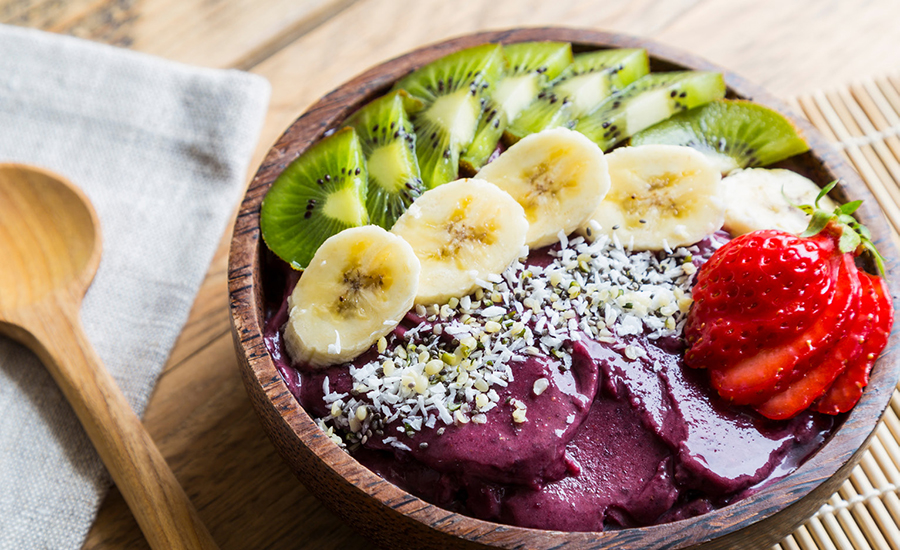
“Probiotic bacteria, especially from fermented dairy products like yogurt and true kefir, can trigger a measurable stimulation of GLP-1 production,” says McCurdy. “Beneficial gut bacteria also can interact with certain amino acids, like tryptophan (in high concentration in animal proteins), and convert them into compounds called indoles that also stimulate GLP-1 production.”
Among carbohydrates, fibers, resistant starches, beta-glucans, and other fermentable carbohydrates have the highest GLP-1 supporting action. Probiotic bacteria, especially those matched to their favorite carbohydrate source (synbiotics) can these and certain other carbohydrates in the g.i. tract and feed beneficial bacteria. The bacteria, in turn, produce short-chain fatty acids that stimulate production of GLP-1. One particular strain, Akkermansia muciniphila, has proven to be particularly effective at increasing natural GLP-1. In addition to its other probiotic benefits, A. muciniphila produces a protein that stimulates production of the hormone.

Above all, probiotic bacteria, in conjunction with the prebiotic fibers that feed them, contribute to an overall healthy digestive tract that allows the body to better regulate all of the hunger and satiety hormones. These include not only GLP-1 but also insulin, leptin (which is made by and regulates adipose tissue), and grehlin, known as the “hunger hormone” which, when suppressed, switches off the impetus to eat.
Following the current focus on GLP-1, there are other hunger-related hormones we can expect to encounter being targeted by better-for-you foods and beverages. These include peptide-YY (PYY); cholecystokinin (CCK), which also signals the sense of fullness to the brain); and amylin (which slows gastric emptying, thereby increasing satiety, regulating glycemic levels, and preventing spikes in blood sugar).
Although persons with diabetes, or those who are severely obese, might benefit from pharmaceutical intervention, those consumers who wish to manage their weight or lose a moderate amount of weight have become increasingly interested in fundamentals of nutrition. The right balance of proteins, complex carbohydrates, and unsaturated fats, as well as other ingredients ranging from probiotics to botanicals (see “Root, Leaf, and Hunger,” [directional]) can help consumers find a more natural path to weight and hunger management than expensive—and sometimes controversial—pharmaceuticals.