WHAT’S NEXT IN 2026
Five Forces Reshaping Foodservice in 2026
Tech disruption, economic pressure and shifting consumer behavior are redefining how operators buy—and how suppliers must sell
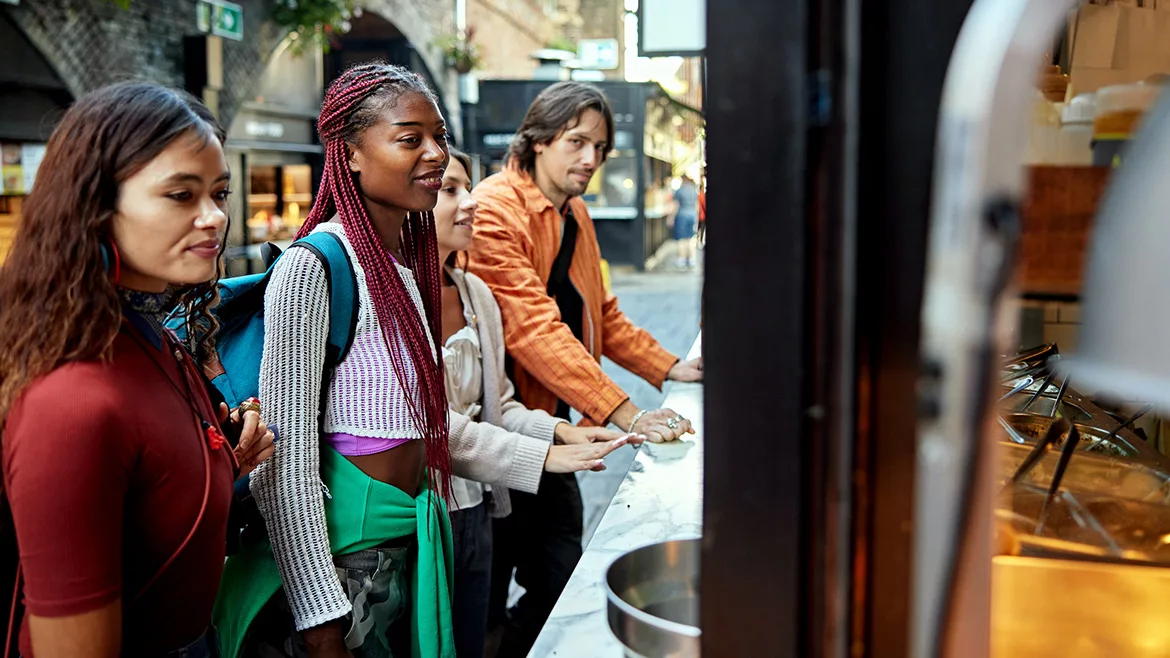
Got Street Cred? To stay competitive, operators need to sharpen their point of differentiation. Menus will lean more heavily into local sourcing stories, authenticity and experiential value.
After rebounding from the 2008 crash and getting sucker-punched by COVID, the foodservice industry is entering another transformation. This time it’s driven by tech disruption, economic instability and a consumer-base that’s more health-conscious and less indulgent. The trends of 2026 aren’t tasty; they’re tactical.
Political, economic and technological forces are reshaping how choices get made.
Between tariffs, AI generated “slop” and B2B buyers treating your sales team like unwelcome pop-up ads, foodservice decision-makers are drowning in noise.
How can manufacturer-suppliers win? Winners will be those who cut through the chaos by offering reliability (no supply chain drama or pricing whiplash), frictionless buying (Optimized GDSN, geo search, website info that doesn’t require a scavenger hunt), and diner insights tailored to real-world operations.

Here are the top five trends shaping foodservice in 2026.
1. Distributor Platforms Will Squeeze Trade Spend

What’s new and next for food, beverage and retail trends in 2026
The future of foodservice distribution is nimble, digital and local. Digital tools such as Pepper, and Cut and Dry were built to level the playing field and give small distributors the kind of sleek, functional infrastructure once reserved for the giants. It’s not just about discounts; it’s a strategic move.
These platforms are offering rebates. In response, manufacturer marketing budgets will increasingly be reallocated toward supporting local, specialty and regional distributors (players that are often overlooked by big manufacturers).
Common rebate types include:
- Volume-based: rewards for hitting purchase thresholds
- Growth-based: incentives for year-over-year sales increases
- Incentive-based: pushing new or underperforming products
However, as more dollars flow out, manufacturers risk losing consistency in brand messaging and execution across markets or compressing margin by selling to those who shop on price and will take the competitors' product next month using a rebate. Managing this fragmentation will be key to maintaining brand integrity.
Through an innovator lens, this shift opens the door for manufacturers to pilot new programs, test regional strategies and gather more data on performance—especially if platforms provide analytics tied to rebate activities.

2. Manufacturers Will Reduce Their Headcount
Manufacturers will continue to streamline their sales operations, reducing their headcount and relying on technology as the first line of defense. AI-driven CRMs, automated outreach and digital quoting tools will only grow more sophisticated. Used correctly, AI will revolutionize foodservice.
On the other hand, it cannot replace the creativity, originality and culinary heart of foodservice, which is still a hospitality industry, made of people feeding people. Relying solely on AI, getting the same answers as every other manufacturer, every other distributor or every other operator, takes the humanity out of what has always been a thoroughly human equation. Nothing technological can replace tasting a sample, shaking a hand, and connecting at industry events and trade shows.
Authentic storytelling and awareness campaigns can help fill the relationship gap. Coupled with discriminating use of AI, marketing can combine the foodservice industry’s trademark person-to-person nature with 21st century efficiency and effectiveness. Smart use of AI will improve segmentation and targets; unwise use of those same tools risks over-indexing on mass email blasts, automated product pitches and generic digital touchpoints, losing triggers that convert operator interest into action.
The industry-wide challenge for 2026 will be balancing authenticity with efficiency. Technology’s role should be to enable, not replace meaningful human touch that drives growth in foodservice.
3. Street Operators Must Push for Differentiation
Independent and street-level operators continue to catch an edge just after securing even-footing. They've been in this pain since Covid and may experience another surge in 2026. The war on food costs will persist as global supply instability, labor inflation and the effects of tariffs continue to squeeze margins. For smaller operators, ingredient sourcing will remain unpredictable, forcing tough decisions about menu pricing and item simplification.
To stay competitive, operators will need to sharpen their point of differentiation. Menus will lean more heavily into local sourcing stories, authenticity and experiential value. They’ll focus on the things that create a reason beyond pricing for consumers to choose them over chains or aggregators. These brands must communicate their uniqueness clearly and consistently.
The winners in 2026 will be the operators who pair operational discipline with brand personality. It’s an opportunity to reinforce who they are and why their food is worth the extra dollar.
4. Make America Healthy Again Movement Will Struggle to Make Its Mark on Foodservice
The “MAHA” Movement—Make America Healthy Again—will gain visibility in consumer-packaged goods and retail but will struggle to find its way into foodservice. Despite growing attention to clean eating, consumers rarely see or understand ingredient-level details once a product leaves the back-of-house. Without the transparency of claims like “fresh” or “local” that work in retail, the movement’s influence can fade when visibility stops at the menu board. Savvy brands and operators will seize the competitive advantages of highlighting MAHA compliance (but only if it fits their branding!).
Product ingredient changes can influence back of house operations and recipe results – replacing a seed oil, for instance for can change cook times, consistencies and textures. Newer, dye-free ingredients can change recipes’ appearance and taste, complicating an already-unwieldy process.
Menu changes can be more like steering a cruise ship than a speed boat – foodservice’s long value chain means turning the menu on a 1,600-unit chain can take a year. As brands and operations lean into MAHA changes, regulations and consumer preferences, clearly published ingredient information, sourcing partnerships and digital menus can help bridge the gap with today’s diners who decide what to eat before they ever leave home.
5. The Rise of Nourishing Small Plates
With the now mainstream GLP-1 medications (Ozempic and Wegovy), 2026 will bring continued product innovation from CPG manufacturers catering to users who prioritize nutrient density over indulgences. With more than half of Americans eligible to use these drugs, the foodservice industry will continue to shift and find new ways to entice people to eat who aren’t hungry.
The industry’s fixation on over-sized plates will feel increasingly outdated. As GLP-1 drugs reduce the pleasure of eating for users, small, nutrient-dense plates provide just enough for the person who isn’t hungry but knows they need to eat to maintain muscle mass and good nutrition. Semaglutide can shift eating back towards function and maintenance, to its place at the foundation of Maslow’s pyramid of needs, and away from indulgence. Brands and operators who redefine value around quality will capture a new, loyal audience in 2026.
For restaurants, however, traditional menu cycles can slow response time. While chains wrestle with R&D timelines and standardized menus, the greatest opportunity lies in limited-time offers that showcase “Nourishing Small Plates.” These allow operators to test smaller, nutrient-forward dishes that match what GLP-1 users (and a growing number of health-minded consumers) actually want.
The coming year will reward operators and manufacturers who play offense—not defense. Those who adapt faster, tell authentic stories and prove their value with clarity and consistency will earn the try and loyalty that automation alone can’t buy.
Looking for a reprint of this article?
From high-res PDFs to custom plaques, order your copy today!


