Formulating Botanicals in New, Better-for-You Products
Botanicals are the next wave in immunity-directed food and beverage ingredients.

Consumer interest in botanical approaches to protective health continues to soar.
Courtesy of Getty Images / stockyan
With the recent surge in attention to immunity, American consumers are now thinking of preventive health less in terms of reaching for “immune boosting” supplements and more about “immune resilience.” The immune system is one of the primary interfaces for the body with the exterior world, and when it picks up a danger signal it will ramp up and activate.
For most people, the concept of “healthy” means experiencing a state of no symptoms. But this is not necessarily the true meaning of health. Health can be seen as a continuum or a scale, where the state of “no symptoms” is in the middle. As a person begins to feel run down or low on energy, they take a step toward disease, and if they then begin to feel pain or sickness, that’s a further step toward debilitation/death.
Conversely, if a person takes a step toward optimal health—the state of vigor—they might feel themselves to be in a high-energy state or one in which they rarely become ill.
Protective pasta
Oregano (Origanum vulgare) leaves are well known for their culinary use as an herb, but the essential oil is useful as a food preservative, as well as for its antimicrobial activity. It has also demonstrated an ability to help rebalance the microbiome. Extracts of the plant have been confirmed in research to have antifungal, antibacterial, and antiviral properties. Oregano essential oil contains the volatile oils carvacrol and thymol, which are known for their antimicrobial capacity, as well as for supporting healthy respiratory function and immune response.
The wellness scale
The more experts learn about health and immunity, the more it is clear that “immune health” is about the right side of the wellness scale, where the individual enters a state of high immune function, cell protection, and resiliency.
In addition to antigens and other insults from the outside world, the immune response can be altered by factors such as stress, sleep, exercise, mental state, and, critically, diet and nutrition—in other words, lifestyle. It is important to realize that “stress” to the body can refer to both internal and external causes of stress. There is a common saying that “all disease starts in the gut.” This includes the enormous influence of stress on our health, and how it plays a leading role in causing metabolic imbalance.
Sources of stress are not always readily identifiable; they can come from a hidden cause. But if stress is not resolved, it can spread into other areas of the metabolism and create further imbalance. Over time, this leads to serious dysfunction, followed by disease and its symptoms. And these, in turn, lead to a cascade of further complications and breakdowns.
Enter the plants
Incorporating botanicals into food products can aid significantly in maintaining the many and complex facets of immunity, such as countering internal and external stress and acting as antimicrobials, sleep quality supporters, anti-inflammatory agents, and hormonal function enhancers. Like food, botanicals are generalized mixtures of chemical compounds the body needs or uses to maintain health, sometimes termed “polypharmacies.”
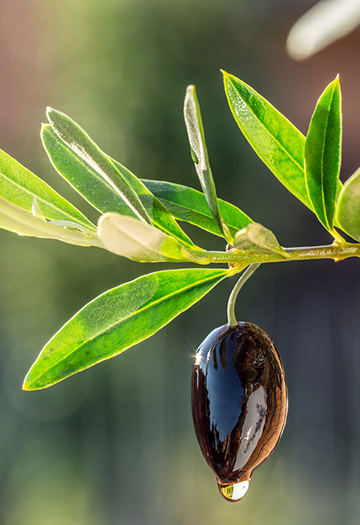
While the oil of the olive fruit has long been associated with health, extracts and oils from the leaves have power all their own. Photo courtesy of IFF, Inc./Frutarom, Ltd.
Botanicals also come in many different forms that can be helpful to food formulators, including leaves, bark, roots, fibers and gums, and flowers. Many of these are underused or even unconsidered by food and beverage makers, but they merit attention from developers seeking to create products that promote immune health.
Olive
(Olea europaea) fruit, and especially its oil, have become synonymous with health-boosting omega-3 and other lipid compounds. Olive oil is universally recognized for its cardiovascular and antioxidant benefits and its prominent place in the Mediterranean Diet. However, other parts of the olive tree have medicinal actions. The olive leaf is commonly used in extract form in dietary supplements for its antimicrobial and anti-inflammatory properties—especially its content of polyphenols like oleuropein.
Olive leaf extracts have been found to act as immunomodulators of the human immune response by maintaining the equilibrium of T-regulatory cells and Th17 cells. Additionally, there is evidence that their anti-inflammatory activity and immunomodulatory properties may give them the capacity to restore the epithelial barrier in gastrointestinal (g.i.) models.
GRAS preparations of olive fruit beyond the oil are also available on the market. These, too, offer high polyphenol content and antioxidant activity than the unprocessed fruit, useful not only for promoting cardiovascular health, cognitive health, and energy but also for use as food preservatives.

It’s not just about the buzz—compounds in hops impart a variety of protective and analgesic effects, without the alcohol. Photo courtesy of vanessa vellozzi for HOP WTR, Inc.
Hops
(Humulus lupulus) are the flowers (also called seed cones or strobiles) of the hop plant. Native to Europe, Asia, and North America, hops are an herbaceous climbing perennial from the hemp family. Known for their use in beer-making as a bittering agent and preservative, as a functional botanical, hops also have long been used in traditional medicine. Scientific support for this use earned the botanical GRAS status in the US for its oil, extract, and oleoresin compounds.
As an herbal tea ingredient, hops serve as an agent for calming, relaxation, and sleep. They also are used for their tonic and strengthening effect on digestion, with a bitter quality that can help stimulate digestive action and increase gastric secretions. In addition, they have a long history of use in supporting urinary health.
Traditional medicinal uses have included mitigation of insomnia, cramps, diarrhea, dyspepsia, fever, inflammation, anxiety, neuralgia, and rheumatism. Native Americans used hops as a sedative, analgesic, and a poultice to treat pneumonia and fevers. Both Ayurvedic and Traditional Chinese Medicine (TCM) use hops for the treatment of restlessness and anxiousness. With good sleep and digestion being important contributors to immune health, hops can play an important role in products targeting immunity.
Perilla
(Perilla frutescens), a relative of mint, is lauded as a true superfood, including as a contributor to immune function. Widely consumed in Asia as a vegetable, it also is a medicinal plant. Perilla leaf is used fresh, in stir-fry dishes and in kimchi. It also is available in pickled and deep-fried forms, and the seed oil is used in cooking.
In TCM, perilla is said to promote the circulation of qi (“balance,” energy, “life force”) in the diaphragm and chest. Adding to this, scientific studies have been confirming anti-inflammatory and antioxidant activity, as well as other benefits. Its primary bioactive component is believed to be rosmarinic acid, the powerful antimicrobial, anti-inflammatory, and antioxidant polyphenol best known from rosemary.
Good Gums
Gums from the family of astragalus trees are far more familiar and common in food preparation. Gum tragacanth (Astragalus gummifer, Astragalus spp.), native to Asia, is a small, thorny, scraggly shrub in the pea family. It produces a gum resin that is valued for its many industrial, medicinal, and food applications.
Medicinally, gum tragacanth is used in traditional and modern medicines, with both topical and internal uses. Topically, it is prized for its demulcent property, soothing burns and irritated tissues. Taken internally, gum tragacanth is useful for soothing the throat and easing coughs. It has also been used for promoting immune system health and for its anti-inflammatory, hepatoprotective, and antinociceptive properties.
In foods, gum tragacanth is mainly a food additive used as a thickener for sauces and salad dressings. It can serve as an emulsifier to give water/oil-based foods (like ice cream) the right texture and is used in the manufacture of jelly candies to achieve the proper jelly consistency. It has excellent potential for use in immune health products, as it is an ingredient already familiar to food formulators.
Bark as good as its bite
An example of a botanical bark that is used widely in foods and can play a central role in immune health is cinnamon (Cinnamomum verum), also called “true cinnamon,” as opposed to the more common C. cassia. Cinnamon is known as a sweet spice, but its role in health is to counter the effects of sweets! It is used as a spice in numerous cuisines and as an alcohol flavorant. An essential oil used in perfumes, flavorings, and aromatherapy is also produced from cinnamon.
Beyond its blood-sugar benefits, cinnamon also has antimicrobial, antiparasitic, and antioxidant capacity. It has been cited for inhibiting the aggregation of tau proteins and filament formation (found in Alzheimer’s disease).
Cinnamon also has a place in bone health and ulcer relief, and it has anti-inflammatory, antinociceptive (pain relief), wound healing, and liver protective effects. Since dysregulation of blood sugar and inflammation are important degrading factors in immune health, cinnamon can play a solid role in helping to support immunity.
Roots of health
There are many herbal root preparations on the market. One that is famous for its role in maintaining immune health in TCM is astragalus (Astragalus membranaceus). Astragalus is considered one of the 50 fundamental herbs used in TCM. The root of astragalus is used medicinally, harvested after about 4-5 years and then dried in the sun. Yellow slices or shavings of the root are typically sold for medicinal use.

Cinnamon—true cinnamon—is not only a powerful antimicrobial, it has been shown to regulate blood sugar and positively influence mood. Photo courtesy of Nu
Astragalus also is known in TCM for building qi and enhancing the protective shield of the body. It is specifically indicated for cases of fatigue linked with a decrease in appetite, especially for chronically ill patients. More generally, astragalus is used for strengthening and regulating the immune system and for helping the body resist and recover from infections, the common cold, and allergies.
Astragalus has been found to have other positive effects on the immune system, including activation of B cells and macrophages; increasing levels of the antibodies IgA and IgG; boosting interleukin-2 and natural killer cell activity; and enhancing lymphocyte production. In preliminary clinical studies, it has been found to restore T-cell function, which is typically suppressed in cancer patients.
Although not commonly known in foods in the US, it is often added to foods—especially soups—in Asia. As a food ingredient, astragalus can be used directly (in preparations of the root boiled for soups) or powdered and sprinkled into or over foods. It also commonly is prepared as a decoction that is drunk like a tea.
Spice and Sugar
Cinnamon has been studied especially for its ability to help control blood sugar levels. (It’s amazing that the spice used in sticky buns can also help counter the sugar spikes experienced from their consumption!) In a recent systematic review and meta-analysis of clinical trials, cinnamon was found to reduce serum levels of glucose with no other changes in glycemic parameters and anthropometric indices.
Honeyed health
Though not technically a plant part—but rather, a product of flower nectar—medicinal honeys are gaining market share due to their renown for building immunity. The king among them is Manuka honey. Manuka honey is produced from the nectar of tea trees (Leptospermum scoparium), which are native to both New Zealand and Australia.
Medicinal honeys are having a renaissance in their interest and use. Used for centuries in wound dressings, medicinal honeys were largely abandoned after the advent of antibiotics. However, with the rise in antibiotic resistance, there has been a substantial increase in interest and research into the potential of these honeys.
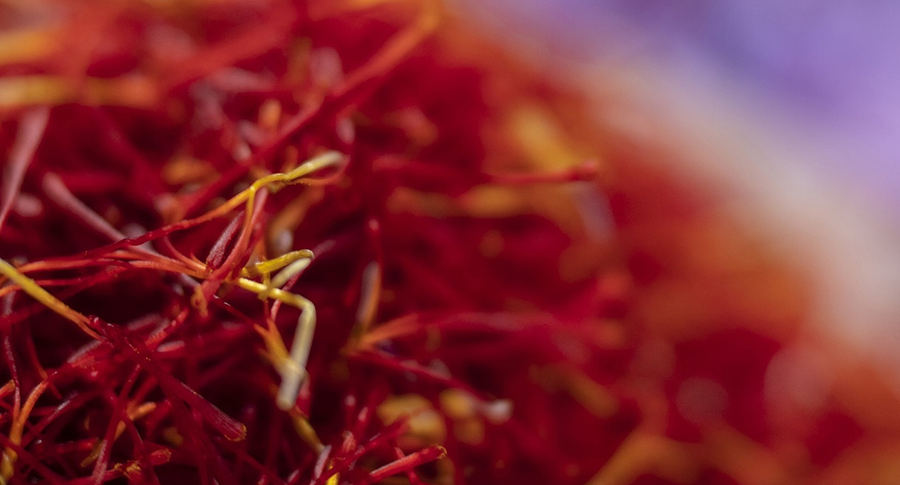
Ancient and traditional medicines continue to impress botanical scientists with their abilities to help prevent and counter certain disease processes. Photo courtesy of NPharmactive Biotech Products, SLU
Processors should be aware that a number of these medicinal honeys can have very strong, and not always pleasant, flavors. Incorporating honeys such as Manuka into a subtly flavored product might not be feasible.
Manuka and other honeys are complex mixtures of sugars, amino acids, phenolics, and other bioactive compounds. Manuka’s antimicrobial activity is commonly reported to be related to methylglyoxal (MGO) and perhaps other compounds, such as gloxal, leptosin and phenolics. The honey also has an anti-inflammatory effect, perhaps due to the phenolics and synergies with other compounds. Medicinal honeys can be produced from a number of pharmacologically active plant species, so the market should expect to see a proliferation of them in years to come.
In order to support immune health and resiliency, botanical mixtures are available from many plant parts for food and nutrition formulation. The boon of the better-for-you foods and beverages industry is that its mission is to help consumers maintain “upstream” health through a focus on nutrition, supplementation, exercise, stress relief, sleep, and mental wellness.
Looking for a reprint of this article?
From high-res PDFs to custom plaques, order your copy today!


