Charting the Course: How Food and Beverage Leaders Are Building a Sustainable Future
Brand marketers and industrial organizations provide examples of what sustainable food systems can look like
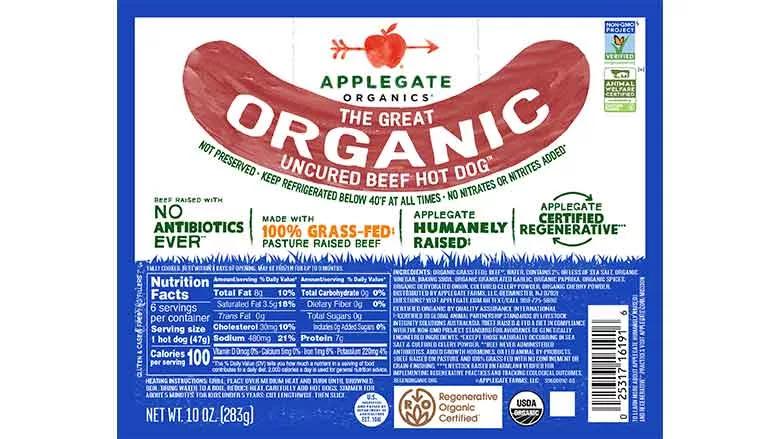
PHOTO COURTESY OF: Applegate Farms
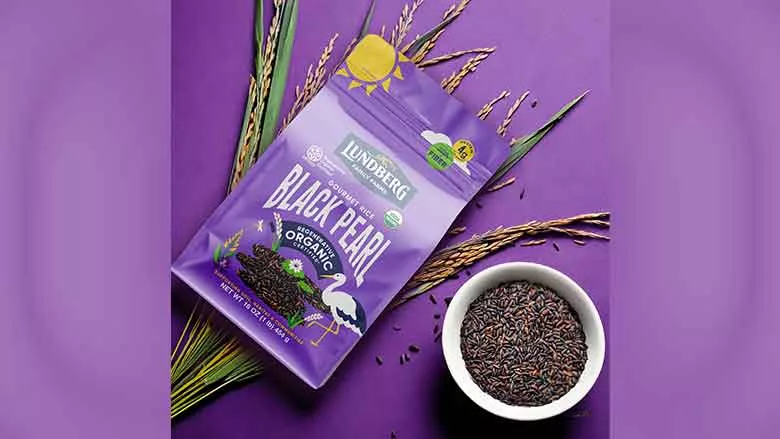
PHOTO COURTESY OF: Lundberg Family Farms
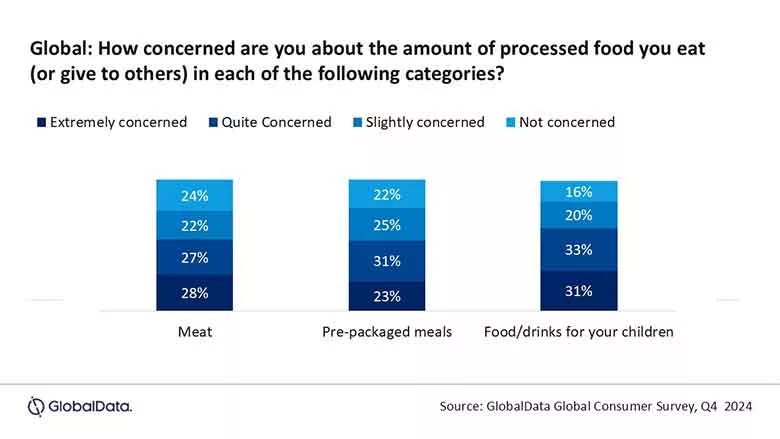
PHOTO COURTESY OF: Global Data
PHOTO COURTESY OF: The Flexible Packaging Association
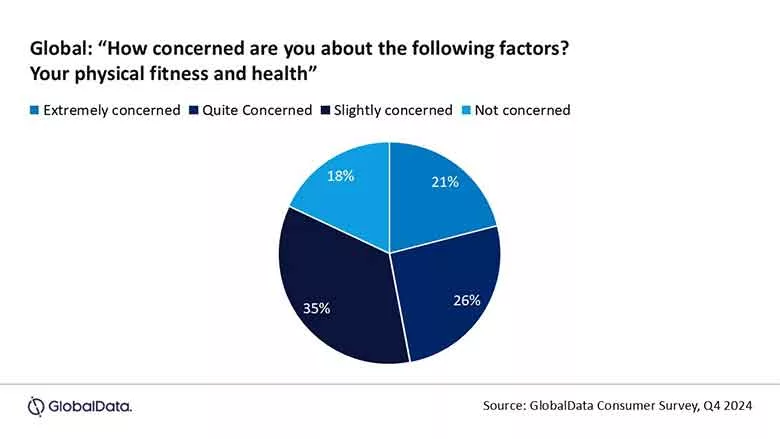
PHOTO COURTESY OF: Global Data
IMAGE COURTESY OF: McCain
At times, the reality of meaningful sustainable change in global product supply chains seems distant, if not utterly absurd. Across industry, we've committed resources to sourcing, transporting, developing and marketing products in a manner that consistently places profit above environmental health. Powerful forces, inertia among them, remain entrenched in a worldview that resists the fundamental evolution required to achieve sustainable industrial practices.
Despite this circumstance, companies and organizations across the food and beverage industry have put a great deal of effort behind the launch of products and programs that champion sustainable systems. The individuals engineering this work cast a vision for what a sustainable food system could look like, while urging those on the sidelines to deliberate within their own teams in order to build momentum toward lasting industrial change.
Here are a few recent developments we've found particularly noteworthy in the sustainable space.
FPA Applauds US Senate EPW Committee Advancement of Recycling Legislation
The Flexible Packaging Association (FPA), the voice for the rapidly growing US flexible packaging industry, praised the Senate Committee on Environment and Public Works (EPW) Committee advancement of the Strategies to Eliminate Waste and Accelerate Recycling Development (STEWARD) Act (S.351).
As the second largest and fastest growing segment of the domestic packaging industry, FPA’s members employ approximately 83,000 workers in the United States. Flexible packaging is produced from paper, plastic, film, aluminum foil, or any combination of these materials, and includes bags, pouches, labels, liners, wraps, rollstock, and other flexible products.
“FPA and its members are committed to helping solve plastic waste issues and increasing the recycling of packaging and this bipartisan legislation is part of that solution,” said Dan Felton, FPA president & CEO. “We urge the House to follow the Senate’s lead and advance this legislation.”
The STEWARD Act is a combination of the Recycling Infrastructure and Accessibility Act (RIAA) and the Recycling and Composting Accountability Act (RCAA) that the FPA actively supported in the last Congress.
The STEWARD Act would:
- Establish the Recycling Infrastructure and Accessibility Program at the Environmental Protection Agency (EPA) to expand recycling access in underserved communities through a pilot grant program.
- Authorizes the EPA to collect and analyze data on market trends, material processing rates, and the effectiveness of curbside recycling programs, along with associated accessibility challenges.
- Directs the EPA to assess national composting potential, evaluating infrastructure, regulatory barriers, costs, and industry trends.
Growing Concerns Over Phthalates in Plastic Packaging
Environmental organizations are increasingly highlighting the numerous health risks associated with phthalates, leading to a rise in consumer awareness and concern over the use of plastic packaging in processed food and beverage products.
The use of phthalates in plastic packaging is facing increased scrutiny due to a growing body of research that underscores significant health risks linked to these chemicals, observers GlobalData, a leading data and analytics company. This concern has led to legal action by environmental organizations such as Earthjustice and the Environmental Defense Fund against the FDA over its alleged refusal to address regulation concerning the issue.
One notable health risk associated with plastics is their propensity to absorb flavors, colors, and odors, which consequently raises concerns about the potential leaching of harmful chemicals into food and beverage products packaged with this material.
At present, "Phthalate-Free" claims are predominantly associated with products within the personal care category, including soaps, cosmetics, and skincare products. Brands that provide phthalate-free options, such as Ecover, MyPure, and Natural Beauty, are at the forefront of this initiative. Additionally, certain niche food producers are making strides by advocating for packaging that is plastic-free, biodegradable, and recyclable. A case in point is Pheasants Hill Farm in the UK, which markets a range of food products, including steaks, mince, and burgers—in plastic-free pouches. These pouches are constructed from plant-based materials, which are claimed to be biodegradable, compostable, and ocean-friendly.
Alternative packaging formats are increasing in both variety and popularity.
Numerous packaging formats are now being presented as safer and more environmentally friendly alternatives to phthalate-containing plastic packaging. For example, mushroom packaging employs mycelium—the root structure of mushrooms—to bind agricultural waste into biodegradable packaging materials. This method is not only more sustainable but also provides natural insulation and protection for fragile goods. Seaweed is another material gaining popularity in the packaging industry because of its biodegradable properties and its ability to decompose without leaving harmful residues.
McCain Foods Unveils New Regen Fries
McCain Foods is making strides towards its regenerative agriculture commitment, digging in with the aim to help combat climate change over time and secure the future of everyone's favorite food, the golden French fry. According to research, most people are not sure what regenerative agriculture is or its potential role in mitigating the impacts of climate change, with a survey finding that less than 1 in 10 Americans and Canadians understand the concept of regenerative agriculture practices, with 26% of Canadians and 35% of Americans having never heard of it.
Despite this, (more than half (57%) of Americans and two thirds (67%) of Canadians) want to learn more about farming or regenerative agriculture, with nearly half the respondents in the UK and US looking to 'make more sustainable choices' (45% in the US) 'but feel they don't know how their individual choices make a difference' in their daily lives.
McCain has committed to implementing regenerative agriculture practices across 100% of the acreage used to grow its potatoes by 2030 and now reports 71% of its farmers are at the Onboarding level of the McCain Regenerative Agriculture Framework—a roadmap to support farmers' progression towards a regenerative model of farming. Through its Farms of the Future, commercial scale hubs of research and innovation, McCain is testing and scaling regenerative agriculture practices to support farmers worldwide.
"At McCain, farming is at the heart of all we do. That is why we're committed to advancing regenerative agriculture—to secure the future of fries and ensure they Taste Good and Feel Good. But real change happens when we all come together. Through everyday choices and the many ways we have made it easy to dig in on regenerative agriculture—whether learning, engaging, or enjoying our delicious Regen Fries—consumers can help make a difference for the future of farming."
-- Christine Kalvenes, chief innovation & marketing officer, McCain Foods
Lundberg Family Farms Accelerates Research & Development of Climate-Friendly Regenerative Organic Rice Varieties
Lundberg Family Farms, a leading Regenerative Organic Certified® brand known for its California-grown rice and rice-based products, has committed to accelerating research and development of rice varieties that are compatible with climate-friendly regenerative organic farming practices. Lundberg's new Black Pearl Rice – which took 12 years to develop – was created to thrive within California's Sacramento Valley and Lundberg's regenerative organic system. It also has a 25% higher crop yield, producing 25% more rice per acre.
This announcement coincides with the 50th anniversary of Lundberg's proprietary nursery program, the only specialty organic rice breeding program of its kind in the US.
Today, four companies control 60% of the world's crop seed and agricultural chemical sales. Most crops are developed for resistance to chemical herbicides and pesticides, which contribute to climate change throughout their lifecycle. However, Lundberg studies, selects, and develops rice varieties for compatibility with regenerative organic farming practices, like drowning and drying up weeds instead of dousing their fields with chemicals. A recent study from researchers at UC Davis indicates that this Dry Up method of organic weed management can help reduce global warming potential (GWP) by 49% relative to continuous flood.
"In the 1970s, my dad started our nursery program in an effort to bring diverse rice varieties to American consumers. It didn't take long for us to realize that we'd have to develop our own rice varieties if we wanted them to not only taste delicious but also thrive under organic conditions. We continue to invest in our breeding program because we believe the quality of our food and the future of our planet depend on it."
-- Bryce Lundberg, vice president of agriculture, Lundberg Family Farms
Applegate Farms Transitions All Beef Hot Dogs to 100% Certified Regenerative Beef
Applegate announced that it has achieved its ambitious goal to source 100% of its beef for its award-winning beef hot dogs from certified regenerative grasslands—a full nine months earlier than anticipated. By implementing this change, Applegate is helping to transition 10.8 million acres of grasslands to certified regenerative, 80% more than its initial goal set in March 2024. The achievement underscores Applegate's commitment to scaling regenerative practices as part of its mission to develop a holistic system that connects the health of humans, animals and the planet.
Looking for a reprint of this article?
From high-res PDFs to custom plaques, order your copy today!


