What’s Driving Sugar Reduction in Product Development?
Explore the top considerations shaping how today’s food and beverage innovators are rethinking sweetness
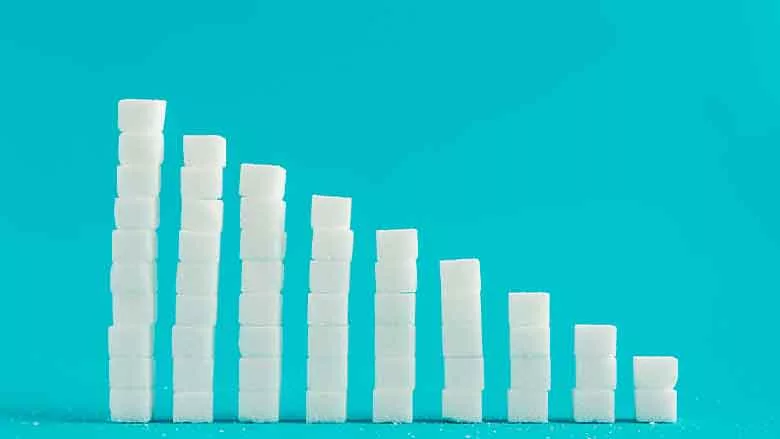
Multiple factors combine to influence how food and beverage product developers approach sugar reduction in formulations.
PHOTO CREDIT: EyeEm Mobile GmbH / Getty Images Plus via Getty Images
Reducing sugar in food and beverage products is no longer just a trend — it’s a formulation imperative driven by evolving consumer expectations, regulatory pressures, and health-forward product positioning. But sugar plays many roles beyond sweetness, from bulking and browning to preservation and texture. For product developers, creating successful reduced-sugar formulations means navigating a complex landscape of functional trade-offs, ingredient innovations, and shifting definitions of what qualifies as "clean" or "natural." The process demands a careful balance of taste, label appeal, cost and technical feasibility—especially as brands compete to deliver indulgence without compromise.
1. Functional Role of Sugar in the Product
Sugar does more than sweeten. It impacts:
- Texture and mouthfeel (e.g., chewiness in baked goods, viscosity in sauces)
- Bulking (volume and structure)
- Preservation (water activity control)
- Fermentation (as in baked goods or cultured dairy)
- Browning/Maillard reactions (flavor and color development)
Developers must choose replacements that mimic these roles, not just sweetness.
2. Taste and Consumer Expectations
Maintaining a clean, familiar flavor is critical.
- Some sweeteners can introduce bitterness, aftertastes, or metallic notes
- Developers may use sweetener blends (e.g., erythritol + stevia) to mask off-notes and match sugar’s taste curve
3. Regulatory and Labeling Constraints
Must meet definitions for "reduced sugar," "no added sugar," or "sugar-free" (e.g., FDA: 25% less sugar to be “reduced”).
- Natural vs. artificial sweetener distinctions matter for claims and consumer perception
- Ingredient disclosure and compliance with international standards for exports
4. Consumer Preferences & Clean Label Trends
Increasing demand for natural, non-GMO, and plant-based sweeteners.
- Preference for recognizable ingredients (e.g., monk fruit, fruit juice concentrates)
- Distrust of artificial sweeteners like aspartame or saccharin in some demographics
5. Product Format and Application-Specific Challenges
Reduced sugar is more difficult in some formats:
- Baked goods need bulk and browning.
- Beverages need fast-dissolving, clean-tasting sweeteners
- Dairy needs to manage fermentation and lactose
- Performance of sugar alternatives may degrade at high temperatures or low pH
6. Cost and Supply Chain Availability
Many sugar alternatives (e.g., allulose, stevia glycosides) are more expensive or less widely available than sucrose.
- Ingredient availability and sourcing consistency influence feasibility at scale
7. Nutrition and Health Positioning
Developers may target specific sugar-reduction thresholds to meet dietary guidance (e.g., under 10g per serving).
- Alignment with programs like Smart Snacks, Whole30, or diabetes-friendly claims
- May be paired with fiber or protein fortification to improve satiety and health halo
8. Technology & Ingredient Innovation|
Newer solutions like:
- Allulose, a rare sugar with bulk and browning properties
- Tagatose, Brazzein, or precision-fermented sweeteners
- Sweet modulating ingredients (flavor enhancers that make less sugar taste sweeter)
- Advances in microencapsulation to improve stability or mask taste issues
Looking for a reprint of this article?
From high-res PDFs to custom plaques, order your copy today!


