Technologies | Safer Deli Products
Food Safety Solutions for Safer Deli Products
July 10, 2026
Technologies | Safer Deli Products
Food Safety Solutions for Safer Deli Products
July 10, 2026
Food safety matters to everyone—especially when it can mean the difference between life and death.
Despite ongoing strategies toward prevention, pathogenic challenges persist. According to the U.S. Government Accountability Office (GAO) and a forthcoming U.S. Centers for Disease Control & Prevention (CDC) study, six pathogens—Salmonella, Listeria monocytogenes, Campylobacter, Clostridium perfringens, Shiga toxin-producing Escherichia coli, and norovirus—cause about 10 million cases of foodborne illnesses annually in the U.S. These illnesses result in about 53,300 hospitalizations and over 900 deaths each year ("Food Safety: Status of Foodborne Illness in the U.S.").
Such outbreaks lead to significant economic impact. According to the GAO report, "Foodborne illness has widespread economic consequences, costing Americans an estimated $75 billion (in 2023 dollars) annually in medical care, lost productivity, and premature deaths, including those associated with secondary chronic illnesses and conditions that develop after the initial illness."
Food safety is multidimensional issue, with control focused on key points of influence, including on-farm strategies. Once in the processing environment, maintaining a strong food safety plan, including HACCP, GMPs, sanitation, maintenance, and other best practices, is essential.
Product developers have their own toolkit for food safety when scaling for production. When it comes to formulation of prepared foods, formulators seek to:
- Inhibit and reduce pathogens
- Control water activity to help prevent microbial growth
- Maintain target product pH, often with acidulants
- Maintain product stability with antioxidants
According to CDC, prepared, ready-to-eat (RTE) foods account for a high percentage of product recalls related to biological agents. To meet the ongoing need for maximum food safety measures, formulators of RTE deli meats, cheeses, and salads rely on a growing range of ingredient strategies, including a growing set of hurdle technologies, as part of a broader food safety plan.
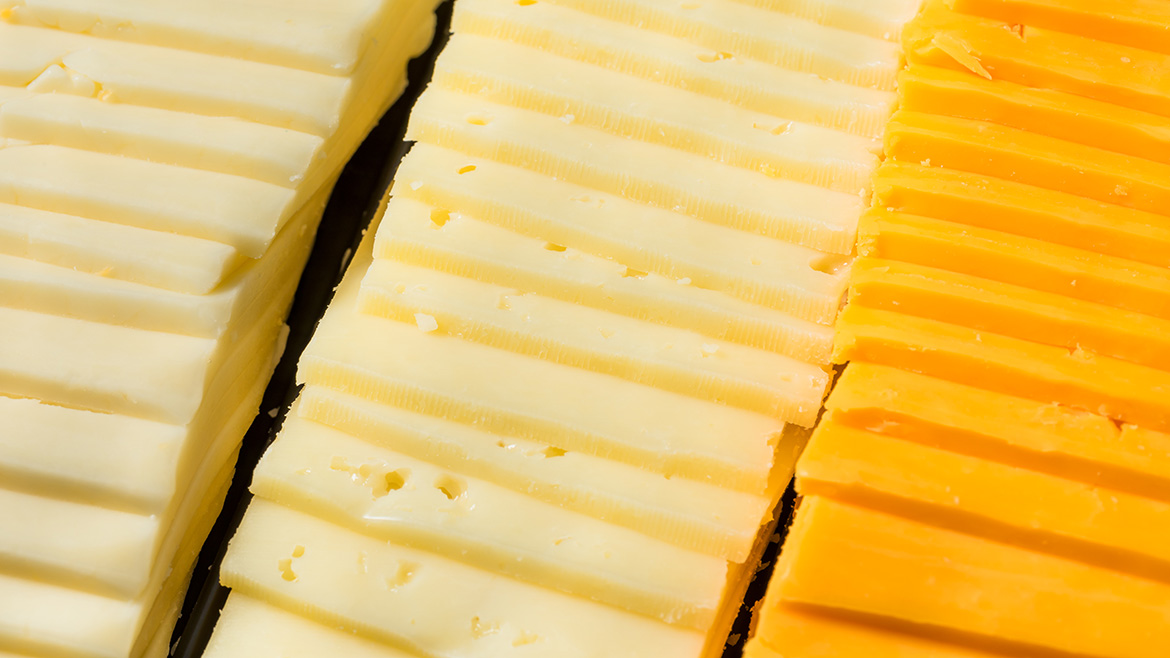
Image courtesy of bhofack2 / Getty Images
Cheese Safety Strategies
Some cheesemakers have expanded their approaches toward food safety and microbial stability. "The biggest shift is toward bioprotective cultures and their metabolites, live lactic acid bacteria, and fermentation-derived ‘postbiotics' that competitively suppress Listeria and spoilage organisms while reading as a clean-label culture on the label," says Kantha Shelke, Ph.D., founder/principal, Corvus Blue LLC, and senior lecturer, Food Safety Regulations, Johns Hopkins University.
"A lot of cheeses have standards of identity, so there are limitations on the addition of new ingredients," says Ariel Garsow, Ph.D., scientific program manager, Institute for the Advancement of Food and Nutrition Studies (IAFNS). "For example, Cheddar and low-moisture mozzarella have standards of identity, while soft, Hispanic-style cheeses and fresh mozzarella do not." For cheeses without a standard of identity, antimicrobials can add an additional margin of safety, including long-term inhibition of Listeria (CFR 133.3, "Cheese and Related Cheese Products").
"Interest is also building in bacteriophage endolysins and mycocins as highly targeted antilisterial agents, though these direct natural antimicrobial approaches remain closer to the research bench than routine U.S. commercial cheese production," advises Shelke.
Looking for a reprint of this article?
From high-res PDFs to custom plaques, order your copy today!
Stacking biological hurdles, such as cultures, organic acids, and water-activity control, can contribute an additive effect to meet zero-tolerance goals for a targeted pathogen, Shelke continues, noting that producers should always validate any culture-based protection claim with a product-specific challenge study (not assumed).
"The fundamentals still carry much of the load: undissociated lactic acid from starter fermentation lowers pH and permeabilizes bacterial membranes, making other hurdles more effective," says Shelke.
Natamycin and nisin, produced by fermentation, are common preservatives in cheesemaking, says Garsow. "Natamycin and nisin are considered GRAS for specific applications. Nisin is approved for use in pasteurized processed cheese products to inhibit Clostridium, and natamycin is used as a mold inhibitor, primarily on the surface of shredded and sliced cheese, rather than being included in the milk during cheese manufacturing. Rowanberry extract can serve as a natural source of sorbic acid that inhibits the growth of gram-positive pathogens. Additionally, cultured milk products can produce bacteriocins similar to nisin that are effective for bacterial inhibition."
Shelke cites a notable evolution of hurdle step delivery. "The practice has moved from simple surface spraying or dipping toward active packaging and edible coatings that release the antimicrobial at the cheese surface, where contamination risk is highest, and sustain it over shelf life."
This shift is partly a response to known limitations of adding nisin directly to the matrix, notes Shelke. "Its activity drops at neutral pH, and it binds to fat globules, casein, and divalent cations, reducing available concentration. Encapsulation and film-based delivery help preserve efficacy."
There's also growing interest in combination systems, notes Shelke, where nisin is paired with lysozyme, plant extracts, or carrier polymers like chitosan or carboxymethyl cellulose to broaden the spectrum and disrupt biofilms on contact surfaces.
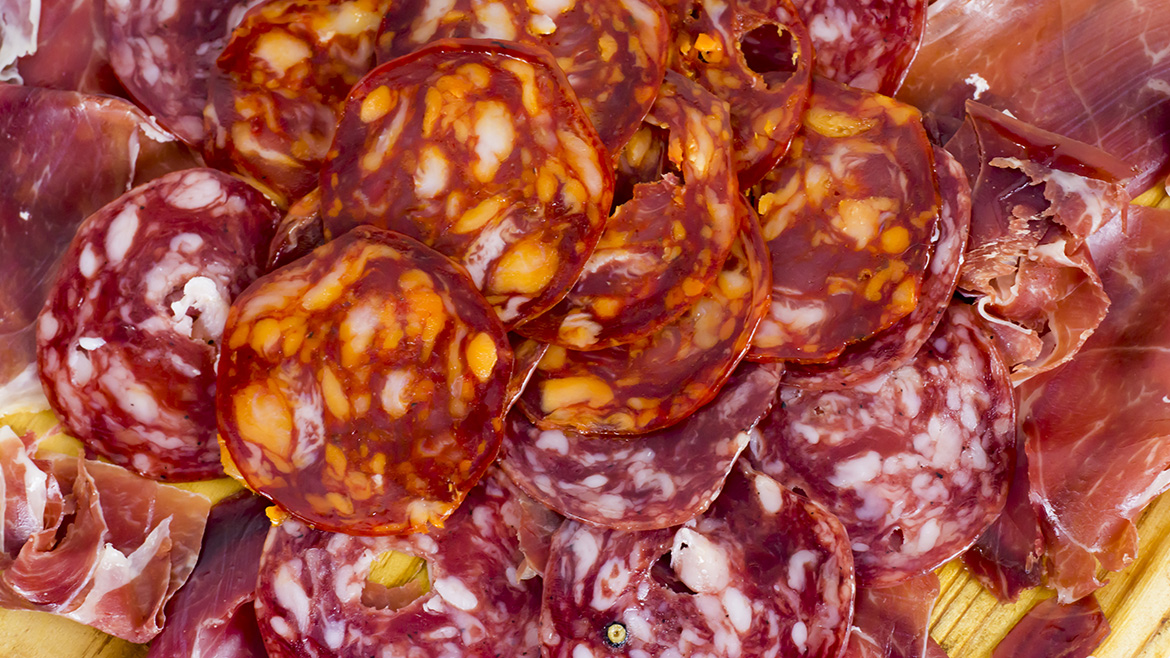
Image courtesy of Antonio_Sanchez / Getty Images
Hurdle Technologies for Deli Meats
When it comes to sliced/deli meat products, organic acid salts—lactate and diacetate—remain the established backbone for control measures, notes Shelke. "These gained regulatory approval after the 1990s outbreaks and still anchor most antilisterial formulations in cured RTE meats."
The USDA Food Safety and Inspection Service issued an update in January 2026 to the list of safe and suitable ingredients for meat production, notes Garsow, including RTE deli and packaged meat products:
Antimicrobials like bacteriophages, "Salmonella bacteriophage preparation with a cocktail of up to four phages (BP63, LVR16-A, INF11, GSW6)"
Antimicrobial blends, "a combination of natural source of nitrite and natural source of ascorbate"
"The most commonly used natural/botanical ingredients found in deli meats are celery powder (which are converted to nitrites), cultured sugars, and dried (buffered) vinegar," says Garsow. There is a limitation to how much of these ingredients can be added into a food product due to potential flavor modification (Journal of Food Protection, "Inhibition of Clostridium perfringens and Bacillus cereus by Dry Vinegar and Cultured Sugar Vinegar During Extended Cooling of Uncured Beef and Poultry Products").
Fermentation-derived alternatives, such as buffered/dry vinegar, cultured sugar-vinegar blends, and cultured celery-cherry powders, allow processors to drop the synthetic-sounding "acetate/diacetate" while maintaining Listeria control, says Shelke.
The data are encouraging, continues Shelke. "In one validation, a cultured sugar-vinegar blend delayed Listeria growth about four weeks longer than the sodium lactate-diacetate control in ham, turkey, and roast beef (Journal of Food Protection, "Identifying Ingredients that Delay Outgrowth of Listeria monocytogenes in Natural, Organic, and Clean-Label Ready-to-Eat Meat and Poultry Products").
Buffered vinegar has become the front-runner because acetic acid is an effective Listeria control agent and, under U.S. labeling rules, can be simply declared as "vinegar," says Shelke. "Buffering it with a base raises the pH to neutral, which removes the sour vinegar taste while leaving meat quality attributes such as water-holding capacity, color, flavor, and protein structure essentially unaffected. Buffered vinegar comes in liquid and dry forms, with the dry version running roughly four times stronger, so usage levels are lower."
Cultured sugar and blends of cultured sugar and vinegar have also seen wider adoption, notes Shelke. "These are useful because they can inhibit Clostridium outgrowth in uncured products and offer better spoilage control than vinegar alone."
It is important to note that these approaches are best regarded as outgrowth inhibitors, not kill steps, says Shelke. "They help extend shelf life and retard growth if contamination occurs, but they do not substitute for sanitation and post-lethality controls." These natural antimicrobials work best in products that still contain nitrite and have lower moisture and pH, she advises. "Curing chemistry, water activity, and pH modulate efficacy, while the source of nitrite (synthetic vs. vegetable-derived) matters mainly through concentration, not origin."
One of the best areas of improvement Shelke has seen in the category relates to supplier-backed predictive models that let formulators switch to clean-label actives at validated equivalent protection. "Every substitution, however, still warrants a product-specific challenge study, since efficacy is matrix-dependent," she advises.
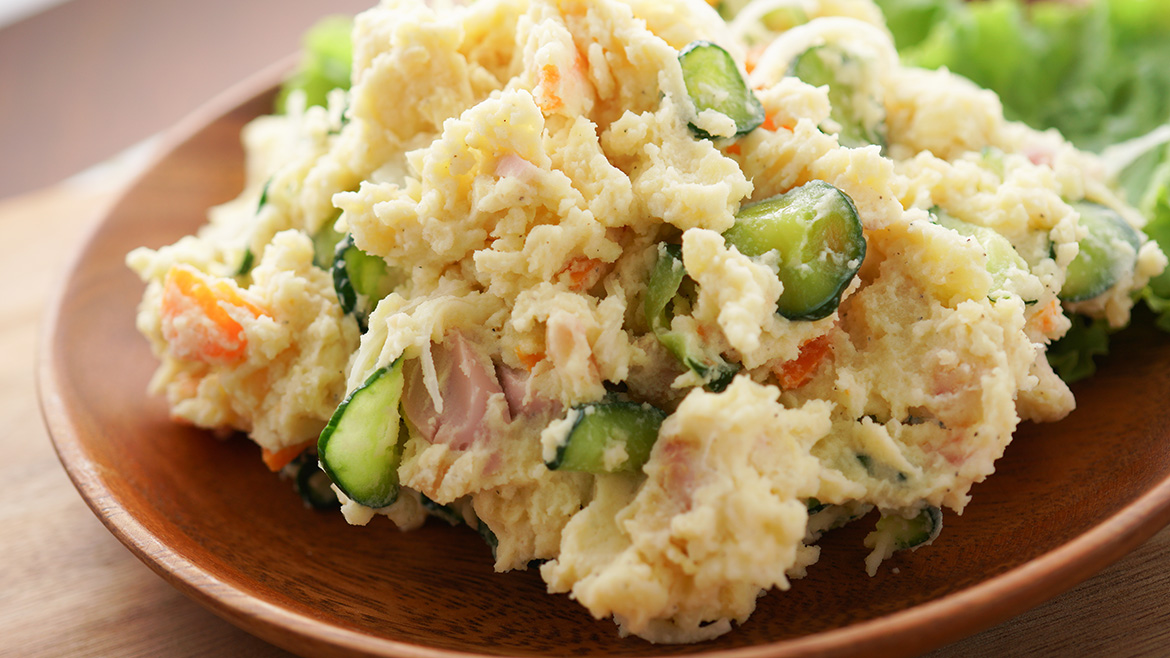
Image courtesy of KPS / Getty Images
Controlling Sodium
According to CDC, Americans consume an average of 3,300 mg sodium per day, 35% more than the federal recommendation of 2,300 mg per day, prompting federal agencies to recommend voluntary sodium reduction efforts over an extended period of time (FDA, "Sodium Reduction in the Food Supply"). Also, managing sodium intake is still a pressing reality for people with specific health conditions. Therefore, sodium-reduction efforts continue to see movement in new product development efforts.
But we run into a conundrum when discussing food safety and sodium reduction for a product category like sliced/deli meats. "The core tension is that salt is not just flavor, but a primary antimicrobial hurdle," says Shelke. "Sodium chloride lowers water activity to suppress Listeria, Clostridium botulinum, and Salmonella, and also controls spoilage organisms, and cutting it can accelerate spoilage and shorten shelf life."
The first strategic shift is recognizing that many antimicrobial interventions are themselves sources of sodium, such as sodium lactate and sodium diacetate, explains Shelke. "A true sodium-reduction effort has to count the preservative system, not just the added salt, and often requires switching to potassium-based versions (potassium lactate and potassium chloride) to keep the antilisterial hurdle."
Those swaps carry certain penalties, notes Shelke. "Potassium chloride substitution typically hits a wall around 30% before bitterness or metallic off-notes become unacceptable and can also affect texture and yield. The sensory and functional tradeoffs are real."
Because reducing sodium essentially removes a hurdle, the discipline becomes hurdle stacking and revalidation, suggests Shelke. This involves pairing reduced sodium with buffered vinegar or cultured sugar, tighter water-activity and pH control, precise refrigeration, and special packaging—rather than leaning on any single barrier or hurdle.
"The non-negotiable caveat under the FSIS Listeria Rule, is that any reformulation must be validated to show no more than a 2-log Listeria increase over shelf life, via challenge study plus in-plant demonstration," reports Shelke. "Reducing sodium without re-running that validation can be an expensive lesson that formulators need to avoid."
Safer RTE Deli Salads
Shelke notes RTE deli salads pose a distinct challenge because they're typically high-moisture products with near-neutral pH (one exception is mayonnaise-based potato salad, which is above pH 5.0). Also, Listeria is psychrotrophic, which means it thrives in cold environments. At retail, deli salads are often merchandised in cases repeatedly opened to access the products, causing temperature fluctuations.
Lactate and lactate-diacetate remain the ingredient workhorse for deli salads, says Shelke. "They work by hurdle action rather than acidification. They depress water activity and acidify the bacterial cytoplasm to extend the lag phase. So, it's bacteriostatic insurance if a display case warms up."
Acidulants for pH control are the other lever, notes Shelke. "Dropping pH with vinegar, citric acid, or lactic acid directly inhibits pathogens and makes every other hurdle more effective. FDA explicitly notes growth in deli salads can be prevented through the interactive effect of intrinsic properties, temperature, and formulation, even when no single factor would suffice alone."
For cleaner, simplified labels, fermentation-derived options like cultured sugar and vinegar, along with fermentates, extend into the refrigerated salad category, notes Shelke. Other tools include bacteriophages and bacteriocins. "The anti-Listeria phage P100 (Listex) received FDA GRAS status in 2006, and nisin-based preparations are approved preservatives. Both appeal to formulators, because phages are host-specific and don't alter sensory properties."
There's no single kill-step ingredient for a finished RTE deli salad, says Shelke. "The validated approach is stacked hurdles."
Like the wonderful dynamics of a well-made sandwich, so much of this food safety work in the deli section is cumulative, and each component matters.