GRA Nutra has introduced AuraBC, a fermentation-derived natural beta-carotene colorant designed for beverages, gummies and other food applications. The clean-label ingredient aims to help manufacturers replace synthetic dyes with a more sustainable, scalable alternative.
Lycored's VAS technology creates microencapsulated starch bead-lets to optimize product performance and offer key advantages across a wide range of applications including tablets (withstand direct compression), gummies (homogeneity and stability), powder beverages (enhanced solubility) and capsules (flowability).
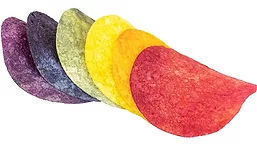
Looking ahead to 2030, the food and beverage color palette will almost exclusively contain vibrant, naturally-derived hues that offer clean-label charm, as consumers continue to seek better-for-you products.
It is estimated that about 90 million of the 142 million Americans above age 40 are experiencing vision problems, and this population could double by 2050. “For far too long, eye health has received inadequate public health attention, despite good vision being essential to most people’s overall health and well-being,” says Steven Teutsch, former chief science officer for the Los Angeles County Department of Public Health.
Lycored showcases its naturally derived ingredients at IFT 2022
July 5, 2022
Lycored, a global leader in lycopene and beta-carotene derived color and taste-enhancing ingredients for food and beverages, will be showcasing its range of super-stable red, orange, gold and yellow hues and real food ingredients at this year’s Institute of Food Technologists (IFT) Expo in Chicago.
BASF launches 10% beta-carotene colorant to replace artificial dye in beverages, food and nutrition products
February 15, 2017
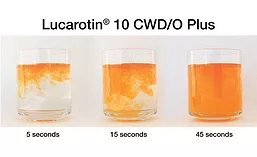
BASF introduces Lucarotin® 10 CWD (Cold Water Dispersible) / O (Orange) Plus, a brilliant orange colorant. This new color option helps formulators looking to replace Azo dyes yellow 5 and 6 in beverages, soups, confections, and nutrition products.
ADM introduces fruit, vegetable functional extracts with antioxidant compounds
November 7, 2016
Archer Daniels Midland Company offers a new line of unique extracts that can deliver a concentrated dose of the powerful antioxidant compounds beta-carotene and anthocyanins in a variety of food, beverage and supplement applications.